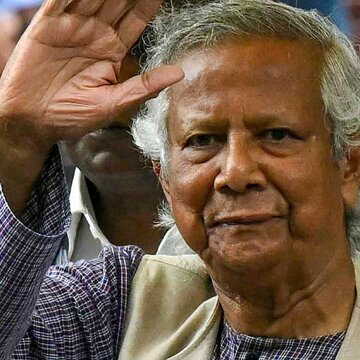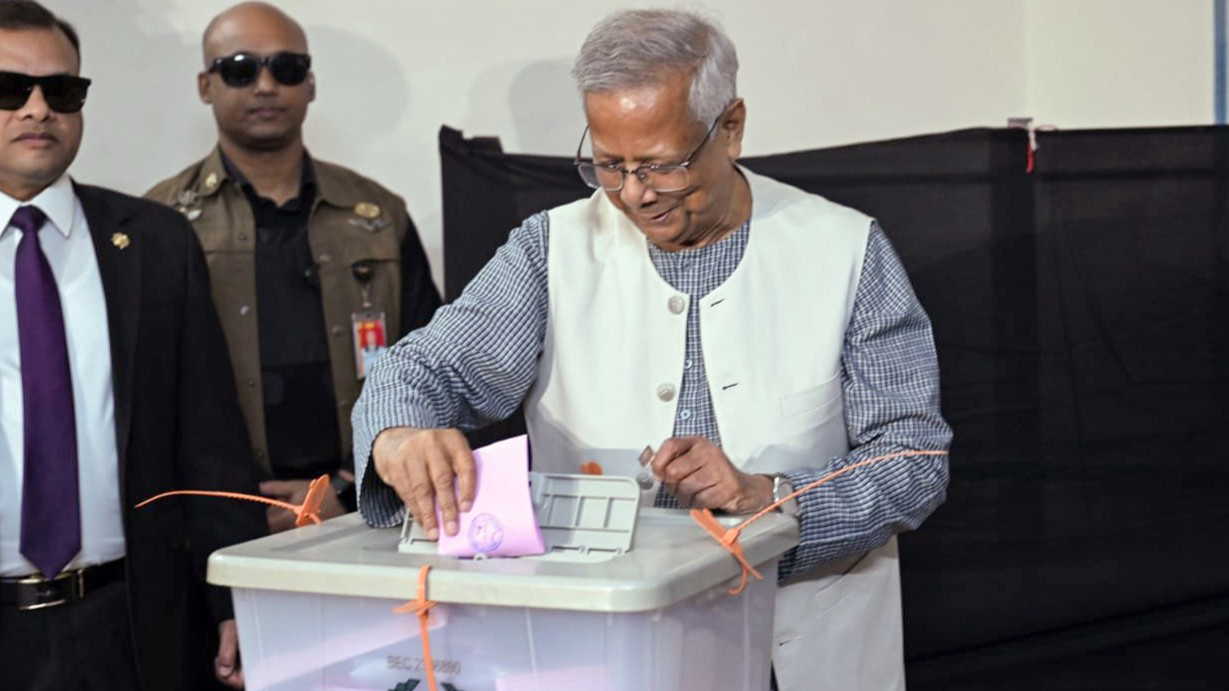
Amid mounting domestic criticism, Bangladesh’s outgoing Chief Adviser Muhammad Yunus delivered a farewell address that strongly emphasised sovereignty and foreign policy independence, while making remarks that indirectly referenced India’s northeastern “Seven Sisters.” His speech came after an 18-month interim tenure shaped by political upheaval, institutional strain, and concerns over minority protection following the July 2024 uprising.
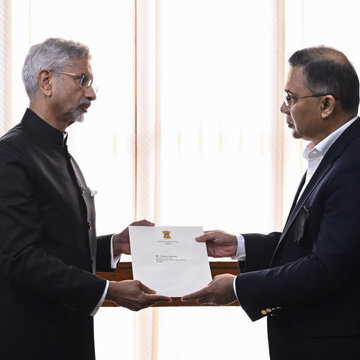
Yunus repeatedly stressed that Bangladesh had reclaimed control over its external affairs, declaring, “In foreign policy, we have firmly restored Bangladesh's sovereignty, national interest, and dignity. Bangladesh is no longer submissive or guided by others' directives. Today's Bangladesh is confident, proactive, and responsible. We are committed to building relations based on mutual respect and interest while maintaining strategic balance.” Though presented as a broad principle, the remarks were widely interpreted as directed at New Delhi.
ALSO READ | Yunus quits as chief adviser of Bangladesh, urges protection of democracy ahead of BNP government formation
China's projects and the security of the seven sisters
He outlined a regional economic vision linking Nepal, Bhutan and the “Seven Sisters,” stating, “Our open seas are not just borders-they are gateways to the global economy. With Nepal, Bhutan, and the Seven Sisters, this region has immense economic potential. Economic zones, trade agreements, and duty-free market access can establish us as a global manufacturing hub.” The framing appeared to position Bangladesh’s ports and maritime access at the centre of regional connectivity, even as India has invested significantly in linking its northeast through Bangladeshi territory.
Yunus also highlighted stronger engagement with China and other global partners, saying, “We have also deepened cooperation with China. Significant progress has been made on the Teesta River project and a 1,000-bed international hospital in Nilphamari.” The Teesta project’s proximity to India’s Siliguri corridor has historically drawn attention in New Delhi.
ALSO READ | 'We must stay united': Tarique Rahman sends strong message before taking oath as Bangladesh PM today
Unaddressed criticism
He further stated that Bangladesh had begun modernising its armed forces to “counter any aggression,” reinforcing the sovereignty-focused tone of his address.
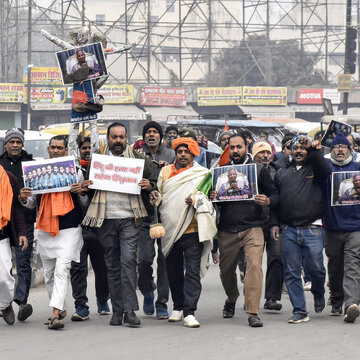
However, the speech did not directly address criticism over communal violence and attacks on minority Hindus during the post-uprising period. While Yunus described his tenure as one of reform and recovery, questions persist over democratic restoration, minority security, and the long-term direction of Bangladesh’s foreign policy.