Iranian Foreign Minister Abbas Araghchi arrived in Geneva on Monday for a crucial second round of nuclear negotiations with the United States, signalling renewed diplomatic movement after months of heightened tension.
High-stakes diplomacy in Geneva
The talks are aimed at easing geopolitical strain and preventing a fresh military escalation. The visit comes amid warnings from Iran's Supreme Leader Ayatollah Ali Khamenei that further confrontation could spiral into a wider regional conflict. Upon landing, Araghchi posted on X, saying, "I am in Geneva with real ideas to achieve a fair and equitable deal." He added, "What is not on the table: submission before threats."
Also Read | Did BJP win a seat in Bangladesh Elections 2026? Here's something we bet you didn't know
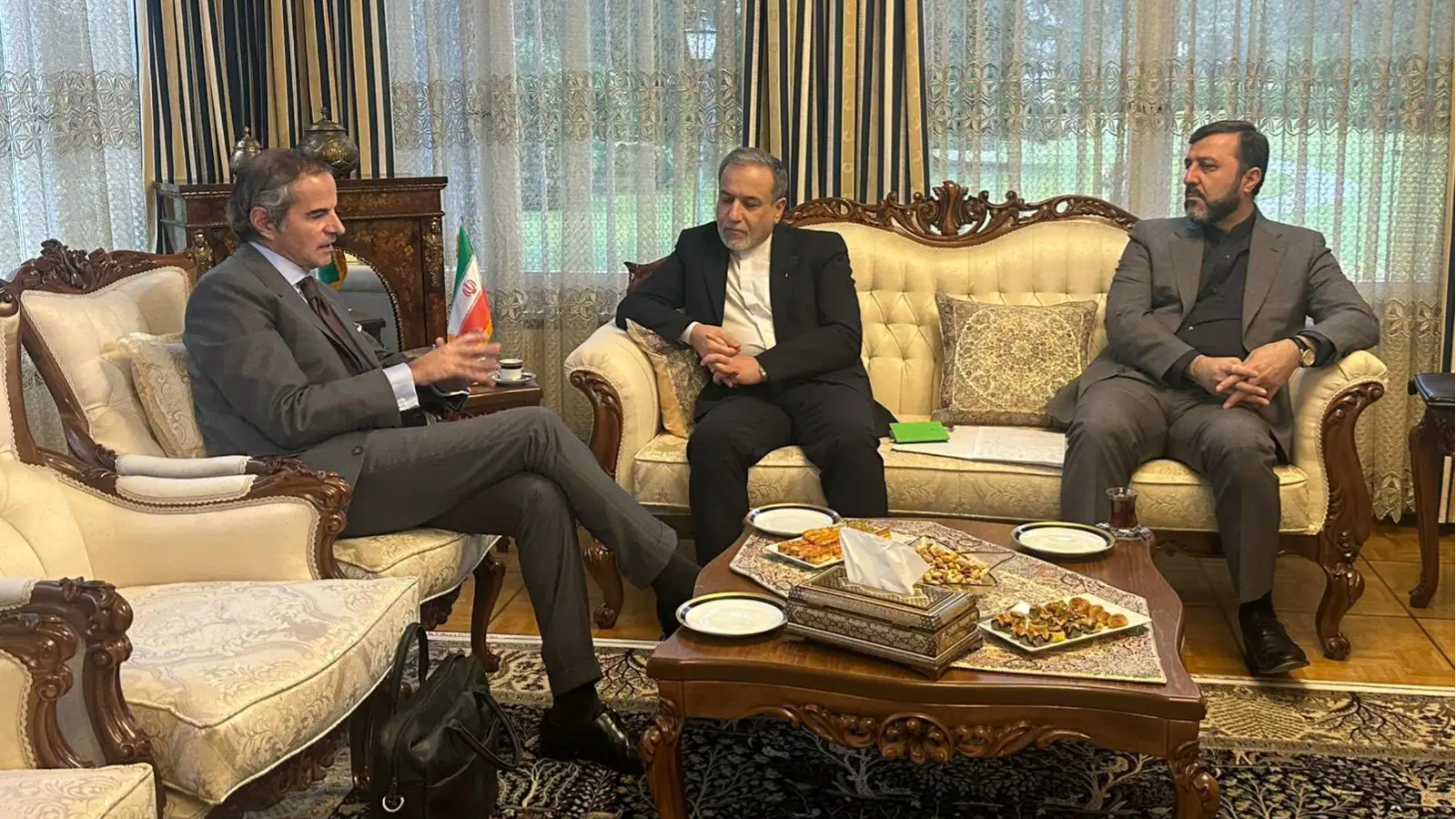
Before the formal negotiations, Araghchi met Rafael Grossi, head of the International Atomic Energy Agency (IAEA), which officials described as an expected "deep technical discussion". The UN nuclear watchdog has been seeking access to Iran's primary nuclear sites damaged during the 12-day conflict in June. Tehran, however, has cited possible radiation risks and insists that strict protocols must be followed before inspections of enriched uranium facilities buried under debris.
Mediation and red lines
According to Aljazeera, Foreign ministry spokesman Esmail Baghaei said the IAEA would play "an important role" in upcoming talks, while also criticising Grossi for not condemning earlier military strikes on safeguarded sites. Araghchi is also scheduled to meet Oman's foreign minister, who previously helped broker dialogue between Tehran and Washington. Iran has reiterated that it will not accept a zero-enrichment demand and considers its missile programme a non-negotiable "red line".
Military posturing in the Gulf
As diplomatic efforts continue in Geneva, parallel developments on the ground reflect rising tension in the region. The United States has expanded its naval footprint, with President Donald Trump stating that a change of power in Iran “would be the best thing that could happen” while authorising the deployment of a second aircraft carrier to nearby waters.
Aljazeera, on Monday, reported that the elite Islamic Revolutionary Guard Corps has launched a new round of military drills in the Strait of Hormuz, a critical shipping corridor linking the Persian Gulf to global trade routes. According to state television, the Guards' naval forces are carrying out intensive exercises under the direct supervision of senior IRGC leadership, shortly after the US increased its naval presence in the Gulf.
Delegations and political signals
On the diplomatic front, Trump is again expected to send his special envoy Steve Witkoff and son-in-law Jared Kushner to represent the White House during the Geneva negotiations. Senior US military commander Brad Cooper had earlier made an unanticipated appearance at the Muscat talks on February 6, signalling the strategic weight attached to the dialogue.
Also Read | Liberation war legacy not party property: Taslima Nasreen’s message to Tarique Rahman
The negotiations unfold more than a month after Iran's violent crackdown on nationwide protests. Iranian officials accused "terrorists" and "rioters" allegedly backed by the US and Israel, while the United Nations and global rights groups blamed authorities for lethal force against demonstrators, with thousands reportedly killed on January 8 and 9.
Addressing an open session, lawmaker Hamid Rasaei warned against granting inspection access to the IAEA without firm guarantees, reported Aljazeera. He was quoted as saying by Aljazeera, "When US warships have opened their arms to embrace Iranian missiles, US bases have opened arms to take our missiles, and the homes of Zionist military personnel are anticipating the sound of the air raid sirens, it is obvious that such conditions cannot be met at the moment."