The US State Department has added two new questions to visa interviews for non-immigrant applicants across categories, including student, tourist, and work visas. The move, aimed at identifying possible asylum seekers, has triggered concerns among immigration experts and applicants over how responses may affect visa approvals.
New questions added to visa interviews
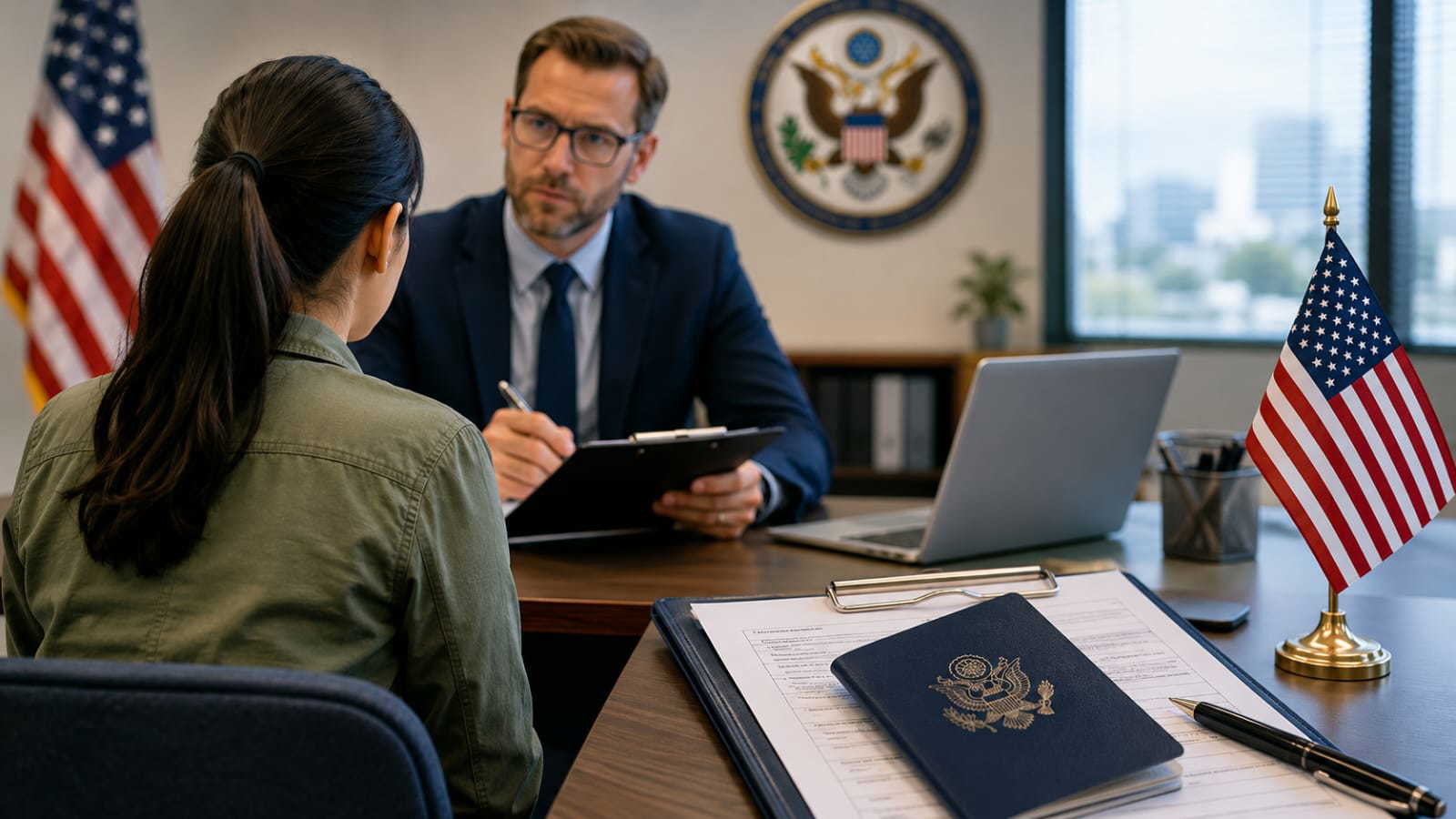
Per a Times of India report, under the revised process, applicants are now being asked two additional questions during in-person interviews: “Have you experienced harm or mistreatment in your country of nationality or last habitual residence?” and “Do you fear harm or mistreatment in returning to your country of nationality or permanent residence?”
According to reports, the directive was issued to US embassies and consulates worldwide and took effect immediately. The questions are being asked verbally and are separate from the standard DS-160 visa application form.
Also Read | Is Vladimir Putin hiding in bunkers amid fears of drone attacks and coup attempts? Here's what we know
Why did the US introduce the change?
The State Department said the measure is intended to identify applicants who may later seek asylum after entering the US on temporary visas. Officials believe some applicants may be misrepresenting their intentions during the visa process.
The new policy applies to most non-immigrant visa categories, including F-1 student visas, B1/B2 visitor visas, H-1B work visas, J-1 exchange visas, and L-1 intra-company transfer visas.
Why experts call it 'Catch-22'
Immigration experts say the questions create a difficult situation for applicants. A “yes” response may lead officials to believe the applicant intends to seek asylum in the US, which could result in visa denial. Refusing to answer may also affect the application negatively.
At the same time, giving a false “no” answer could create serious legal consequences later if the applicant eventually files for asylum. Reports noted that knowingly providing false information to a consular officer may be treated as “material misrepresentation.”
Also Read | Inside the ₹25 lakh luxury cruise now at the centre of a deadly hantavirus outbreak
Concerns for students and workers
The rule change has drawn attention, particularly among international students and skilled workers applying for temporary visas. Experts have warned that applicants with complex personal or political histories may now face additional scrutiny during interviews.
The policy is part of a broader tightening of US immigration and visa procedures introduced in recent months.