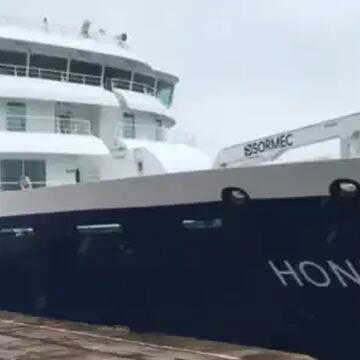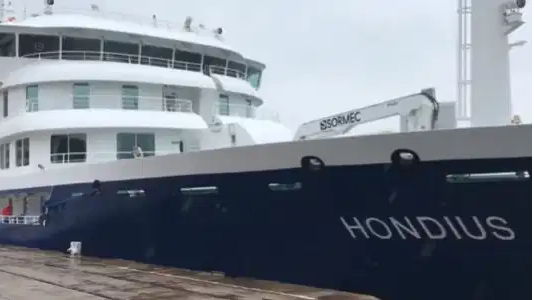
What began as an ultra-premium polar expedition across some of the world’s most remote regions has now turned into a global health emergency. The Dutch-flagged expedition cruise ship MV Hondius, currently at the centre of a deadly hantavirus outbreak, was marketed as a high-end polar exploration experience with ticket prices ranging from nearly ₹7 lakh to ₹25 lakh per passenger.
According to details published by Oceanwide Expeditions, the luxury vessel was carrying travellers across Antarctica and the Atlantic when multiple passengers began developing severe respiratory symptoms linked to hantavirus.
At least three passengers including a Dutch couple and a German national, have died during the outbreak, while several others remain under medical observation. The outbreak has now drawn attention not only to the virus itself but also to the growing popularity of high-risk expedition tourism in remote regions.
Luxury expedition ship now under global health watch
MV Hondius, introduced in 2019, claims to be the first-ever Polar Class 6 registered expedition cruise ship built specifically for travel through ice-infested waters in both Arctic and Antarctic regions.
Also Read | Three dead, two Indians trapped aboard cruise ship at centre of deadly hantavirus scare
The 107-meter ship can carry up to 170 passengers, equipped with luxury cabins, observation decks, lecture rooms, wildlife viewing platforms, and an open bridge navigation tour facility. The passengers on board were engaged in a 42-night journey named "Atlantic Odyssey," starting their voyage from Ushuaia, Argentina.
Onboard experiences included tours via zodiac boats, wildlife exploration programs, and itinerary planning based on the weather and animal sightings on site. Fares on the cruise trip cost between approximately USD 7,800 (₹7.3 lakh) and USD 26,550 (₹25 lakh), depending upon the travel route selected and cabin choice.
The cruise line was intended mainly for experienced travelers, with most passengers ranging in age from 45 to 65 years.
How the hantavirus outbreak unfolded
The outbreak is believed to have originated from a Dutch couple who boarded the ship after travelling through parts of South America, including Chile and Uruguay.
The husband reportedly died onboard on April 11, while his wife was later evacuated through Saint Helena to Johannesburg, where she also died. A German passenger later succumbed during the outbreak as well.
The World Health Organization has stated that the suspected strain linked to the incident is the Andes strain of hantavirus — one of the rare variants capable of limited human-to-human transmission.
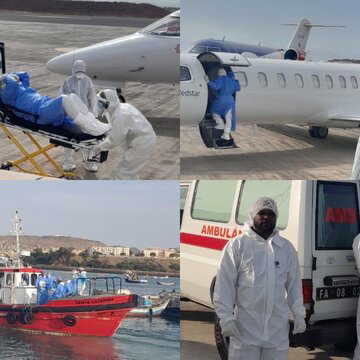
According to WHO findings, at least eight suspected cases have emerged, while symptomatic passengers and crew members were evacuated for treatment and monitoring.
The ship is currently travelling from Cape Verde to the Canary Islands, where remaining passengers and crew are expected to undergo health monitoring procedures before returning home.
Cruise operator activates emergency protocols
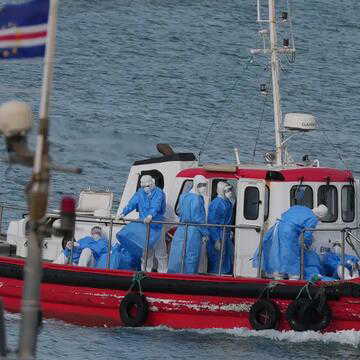
Oceanwide Expeditions stated that it has taken all of its top-notch outbreak response protocols on board, involving isolation, sanitation, and monitoring measures. Videos taken at the cruise liner supposedly show passengers and crew wearing masks along with staff wearing protective gear.
Also Read | Three dead, two Indians trapped aboard cruise ship at centre of deadly hantavirus scare
Furthermore, it was reported that Oceanwide Expeditions confirmed that all sick passengers have been evacuated from the cruise liner for their treatment. This epidemic outbreak incident has started the conversation about security measures in case of expeditions, especially in those distant places where access to quality healthcare services is scarce.
On its official website, Oceanwide Expeditions explains that passengers traveling on such expeditions must be healthy enough to endure harsh terrains as they involve polar areas.
This case will now receive serious attention from various international health organizations as they continue with the investigation.