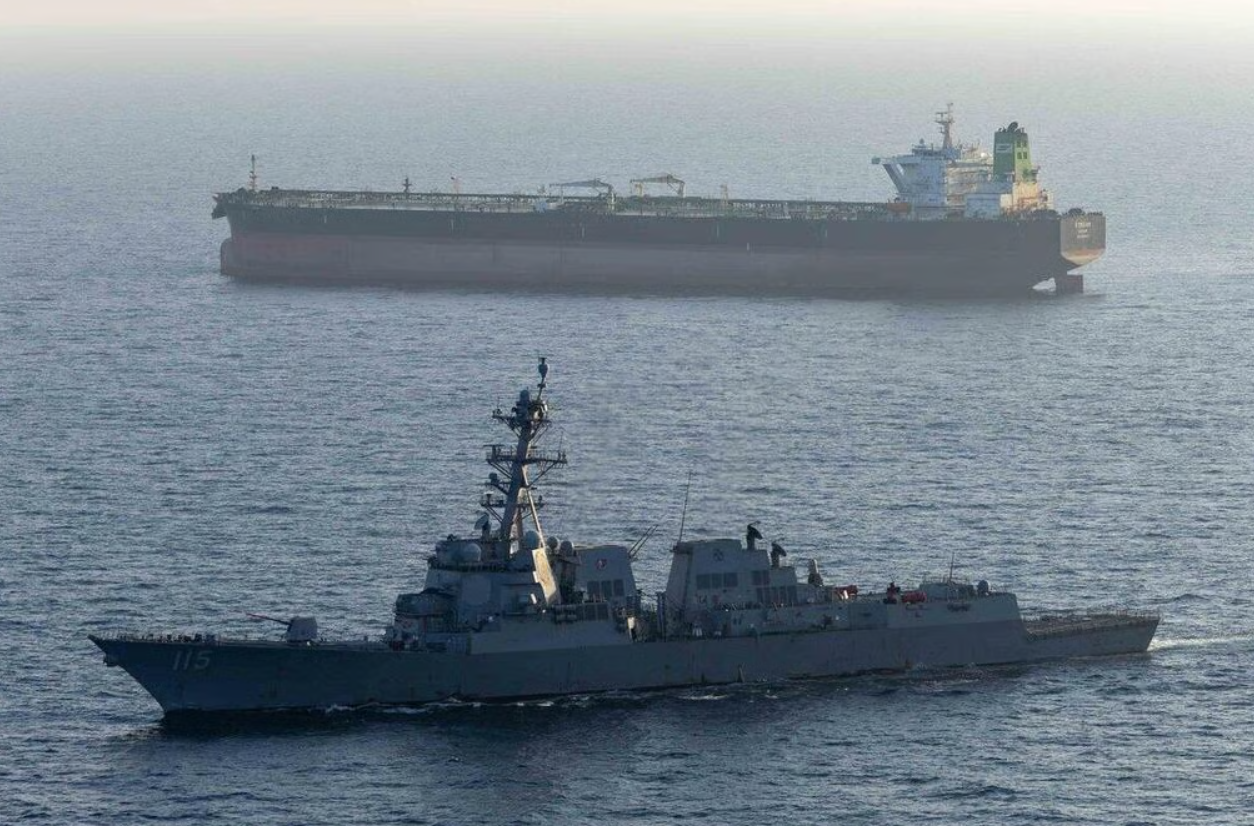
The United States and Iran exchanged fire on Thursday in the most serious test yet of their month-old ceasefire, even as Tehran reviewed a U.S. peace proposal that could formally end the war.
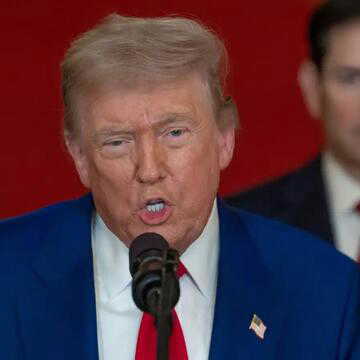
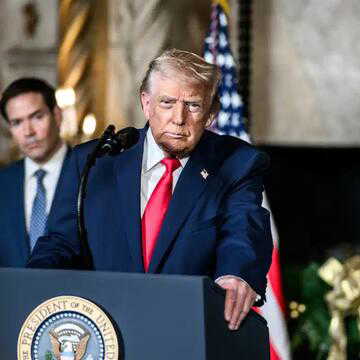
“They trifled with us today,” Trump said Thursday after the latest exchange of fire, adding, “We blew them away.”
He also stated that a deal with Iran "might not happen, but it could happen any day," as Washington and Tehran attempted to maintain diplomatic talks despite the renewed violence in the Gulf.
Iran was reviewing a US proposal that sources said could formally end the war through a one-page memorandum while leaving major issues, including Iran’s nuclear program and the reopening of the Strait of Hormuz, to later negotiations.
Also Read | 'World must remain safe': WHO warns more hantavirus cases may emerge after deadly cruise ship outbreak
Trump downplays the clash
Also Read | Is Vladimir Putin hiding in bunkers amid fears of drone attacks and coup attempts? Here's what we know
U.S. President Donald Trump said the sides were still talking and played down the latest clash.
“We’re negotiating with the Iranians,” he said, while also telling reporters that a deal “could happen any day.” He added, “They trifled with us today. We blew them away" after describing the ceasefire as still intact.
Iran, meanwhile, said it had not yet reached a conclusion about the emerging plan.
⚡️BREAKING
— Iran Observer (@IranObserver0) May 8, 2026
The Strait of Hormuz is ablaze following clashes between Iran and the United States.
NASA satellites have detected massive fires in the Strait of Hormuz
One vessel appears to be on fire near Iran
Several massive fires have been detected near Oman, along a route… pic.twitter.com/XaWayYQJWc
The sea route stays volatile as crews, cargo and governments wait
The diplomatic push comes against a backdrop of continued maritime risk.
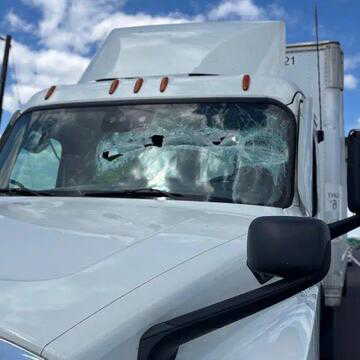
Reuters reported that a CMA CGM container ship was attacked while transiting the strait, injuring crew members and damaging the vessel, while another ship from the same group later exited the Gulf.
Since the war began, the International Maritime Organization has reported strikes on 32 vessels.
The human cost is also mounting. About 20,000 seafarers are stranded in the Gulf, with some crews unable to leave because of unpaid wages or blocked evacuation routes.
Iran has separately said it set up a new mechanism to manage vessel transit through Hormuz and warned commercial ships to coordinate passage with its military.