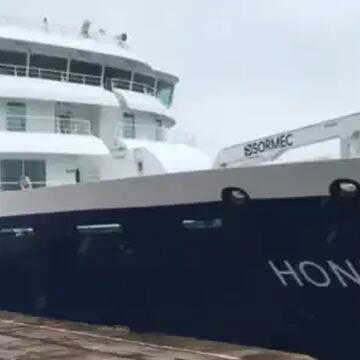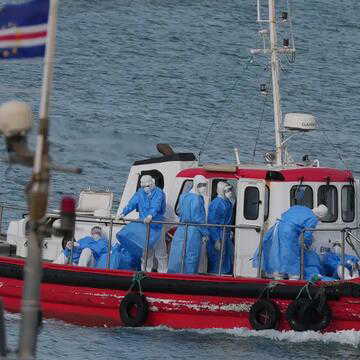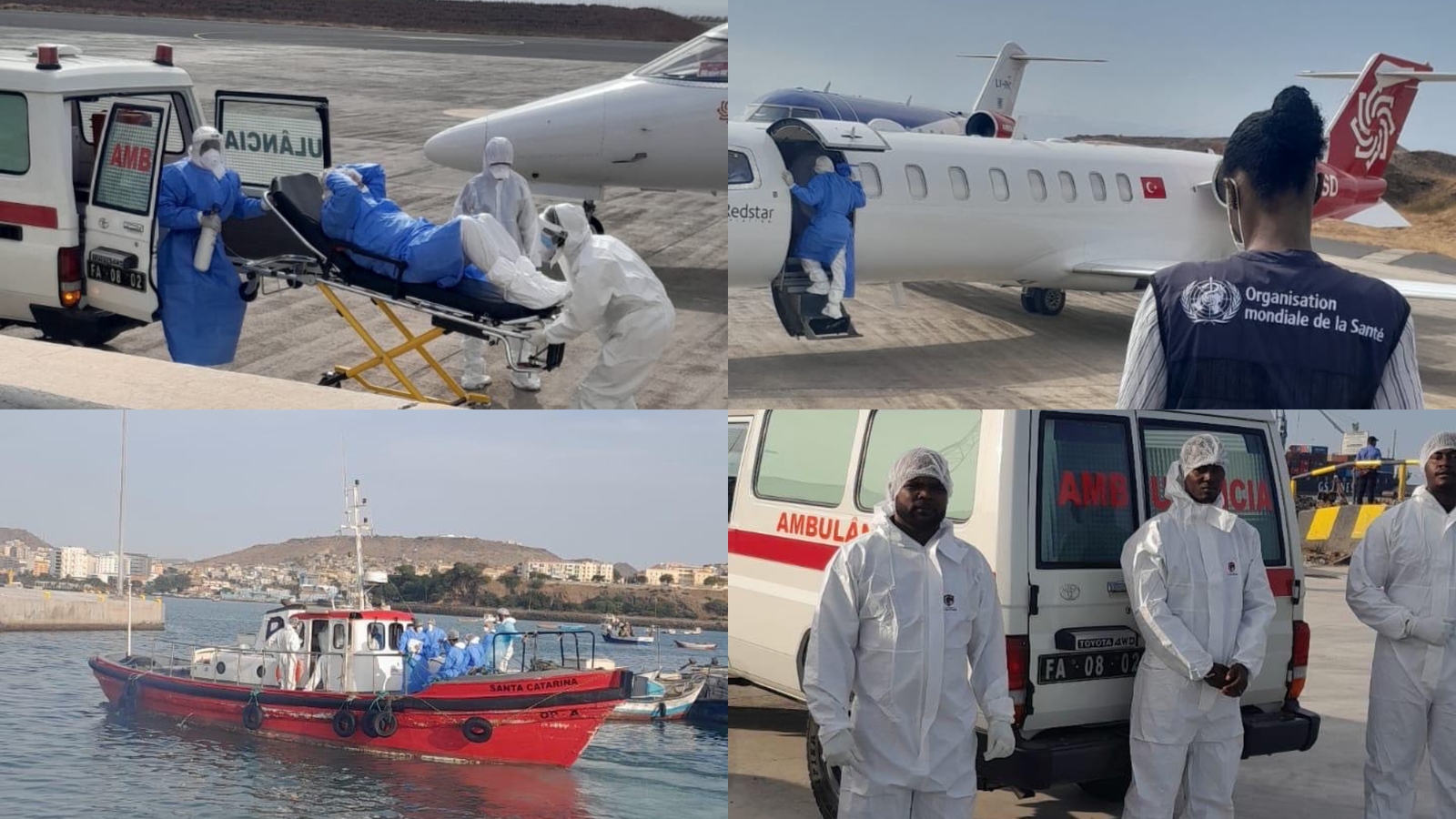
The World Health Organisation (WHO) has warned that additional hantavirus cases linked to the cruise ship MV Hondius could emerge in the coming weeks, although the global public health risk remains low for now.
Speaking during a media briefing, WHO Director-General Tedros Adhanom Ghebreyesus said the outbreak involves the Andes virus, a rare strain of hantavirus known for limited human-to-human transmission through close contact.
"Given the incubation period of the Andes virus, which can extend up to six weeks, more cases could still be reported," News18 quoted him as saying.
Also Read | What went wrong aboard the MV Hondius? Inside the deadly hantavirus outbreak
LIVE | Media briefing on #hantavirus hosted by @DrTedros https://t.co/L05hbk1IKR
— World Health Organization (WHO) (@WHO) May 7, 2026
Outbreak linked to Atlantic voyage
The outbreak was detected aboard the Dutch-flagged cruise vessel MV Hondius, which was travelling from Argentina to Cabo Verde across the Atlantic Ocean.
According to WHO, eight cases connected to the outbreak have been identified so far, including three deaths. Five infections have been laboratory confirmed, while three remain suspected cases.
Passengers linked to the outbreak belong to multiple countries, including Argentina, South Africa, Switzerland, the Netherlands and St Helena.
What is the Andes virus?
Health experts said hantaviruses are generally spread through contact with infected rodents or exposure to their urine, saliva or droppings. The Andes virus, mostly found in Latin America, is the only known hantavirus strain capable of limited human-to-human transmission.
Also Read | ‘Should be fine’: Trump breaks silence on deadly hantavirus outbreak aboard luxury cruise
WHO said earlier outbreaks showed that infections usually spread through close and prolonged contact among family members, caregivers or intimate partners.
"That appears to be the case in the current situation as well," Tedros Adhanom Ghebreyesus noted.
Countries monitoring possible cases
Several countries are now monitoring passengers linked to the cruise ship.
In the Netherlands, three passengers have been transferred for treatment, including a British passenger, a German national and a Dutch crew member. Authorities are also examining a possible secondary exposure case involving an airline crew member in Amsterdam.
South Africa is treating a British passenger who remains in intensive care in Johannesburg. Switzerland has also confirmed a positive case currently receiving treatment in Zurich.
The United Kingdom is monitoring British nationals who disembarked in St Helena, while health authorities in the United States are observing several passengers who returned home after the voyage. Singapore has also isolated two men undergoing testing.
Swiss authorities have confirmed a case of #hantavirus identified in a passenger from the MV Hondius cruise ship who presented to hospital in Zurich. The patient is currently receiving care at a hospital in Zurich, #Switzerland.
— Tedros Adhanom Ghebreyesus (@DrTedros) May 6, 2026
The patient had responded to an email from the… pic.twitter.com/ULjJK72BEx
WHO rules out Covid-like spread
The WHO said there is currently no indication of a large-scale outbreak similar to Covid-19. The organisation believes the first infections may have occurred before passengers boarded the ship during travel through rodent-prone areas in Argentina, Chile and Uruguay.
Also Read | Hantavirus scare on cruise ship: Death toll rises as WHO begins global contact tracing
Containment measures onboard now include cabin isolation, symptom monitoring, medical screening and deep disinfection.
"We will continue sharing what we know because the world must remain safe. Any gap in coverage gives the virus an opportunity to spread," Tedros said.
"Viruses do not care about politics. Solidarity remains our strongest immunity," Tedros added.