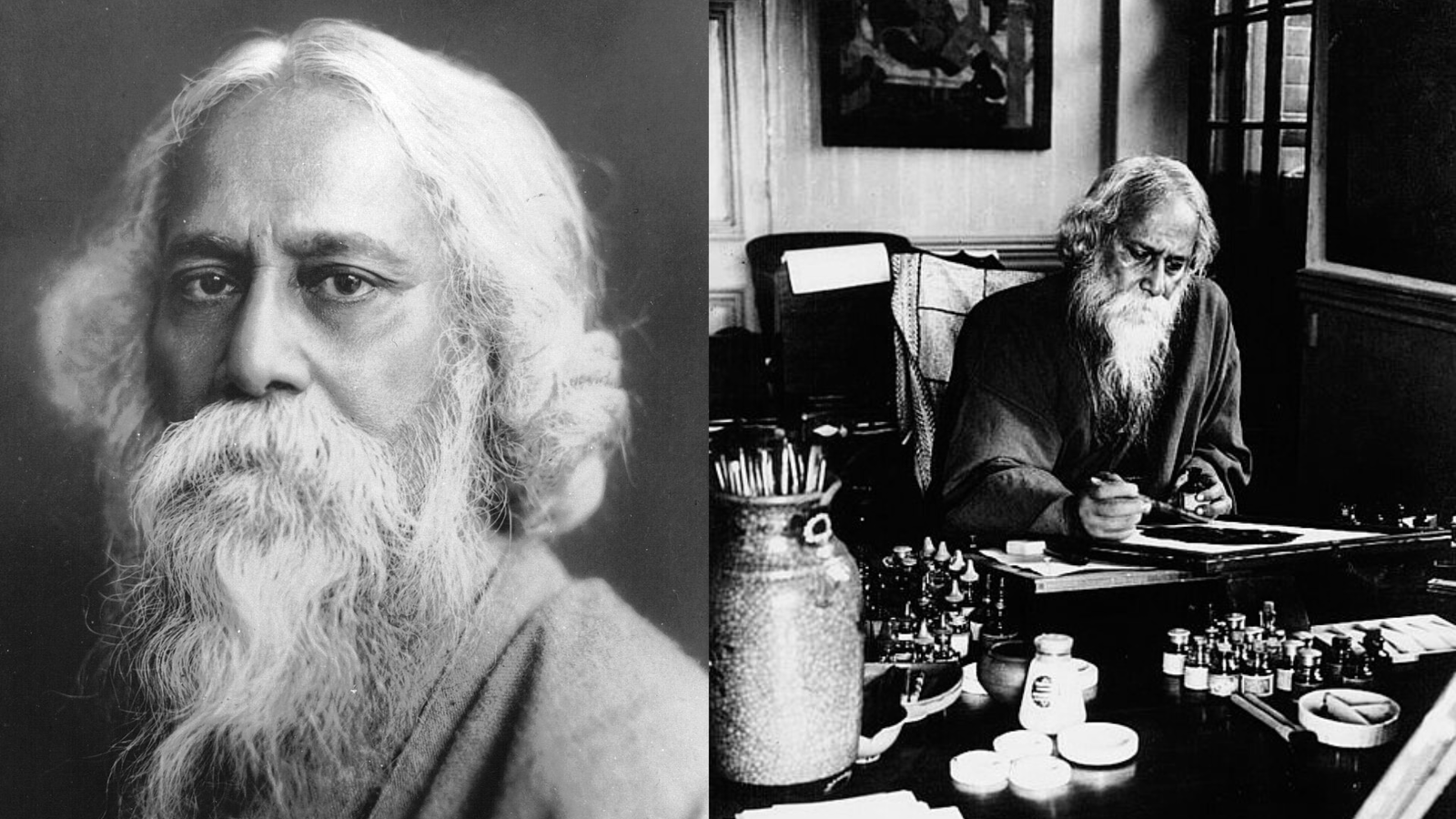
Every year on Rabindra Jayanti, people across West Bengal remember Rabindranath Tagore not just as a poet, but as a thinker, artist, philosopher and cultural icon whose work continues to shape generations.
Born on May 7, 1861, in Kolkata, Tagore spent much of his life at Jorasanko Thakurbari, the ancestral mansion that has now become one of the city's most important cultural landmarks.
Also Read | Why is Rabindranath Tagore Jayanti celebrated twice every year? Here's all you need to know
Today, the historic residence functions as the Rabindra Bharati Museum and preserves the memory of the man often called the Bard of Bengal.
 A view of the Nobel laureate Rabindranath Tagore’s ancestral house, Jorasanko Thakurbari. File image/ANI
 A home tied to the Bengal Renaissance
The sprawling red-brick mansion in North Kolkata is closely linked to the Bengal Renaissance and the Tagore family's contribution to literature, music, education and art.
Tagore, also known by the pen name Bhanusimha, became the first Indian to win the Nobel Prize and remains one of the few figures whose compositions inspired the national anthems of three countries.
Also Read | Kolkata sweats under scorching heat: Will Bengal see relief this week?
The house where he was born, grew up and later passed away still carries traces of that era.
Inside the Rabindra Bharati Museum
Walking through the gates of Jorasanko Thakurbari offers a different side of Kolkata. Amid the trees and quiet courtyards, the noise of the city slowly fades away.
Inside the museum, preserved rooms display Tagore's handwritten manuscripts, paintings, photographs, notebooks and personal belongings. Several galleries are dedicated to different members of the Tagore family, helping visitors understand the cultural environment in which he grew up.
Jorasanko Thakurbari
— Bengal's untold tales (@Gramergolpo) December 1, 2025
The name Jorasanko (twin bridges) could either have come from two bridges which reportedly once stood nearby, or from a nearby pair of Shiva temples (hence Jorasanko from Jora Shankar), but the information is unverifiable as of now. Completed in 1784, the… pic.twitter.com/uPln9tfeje
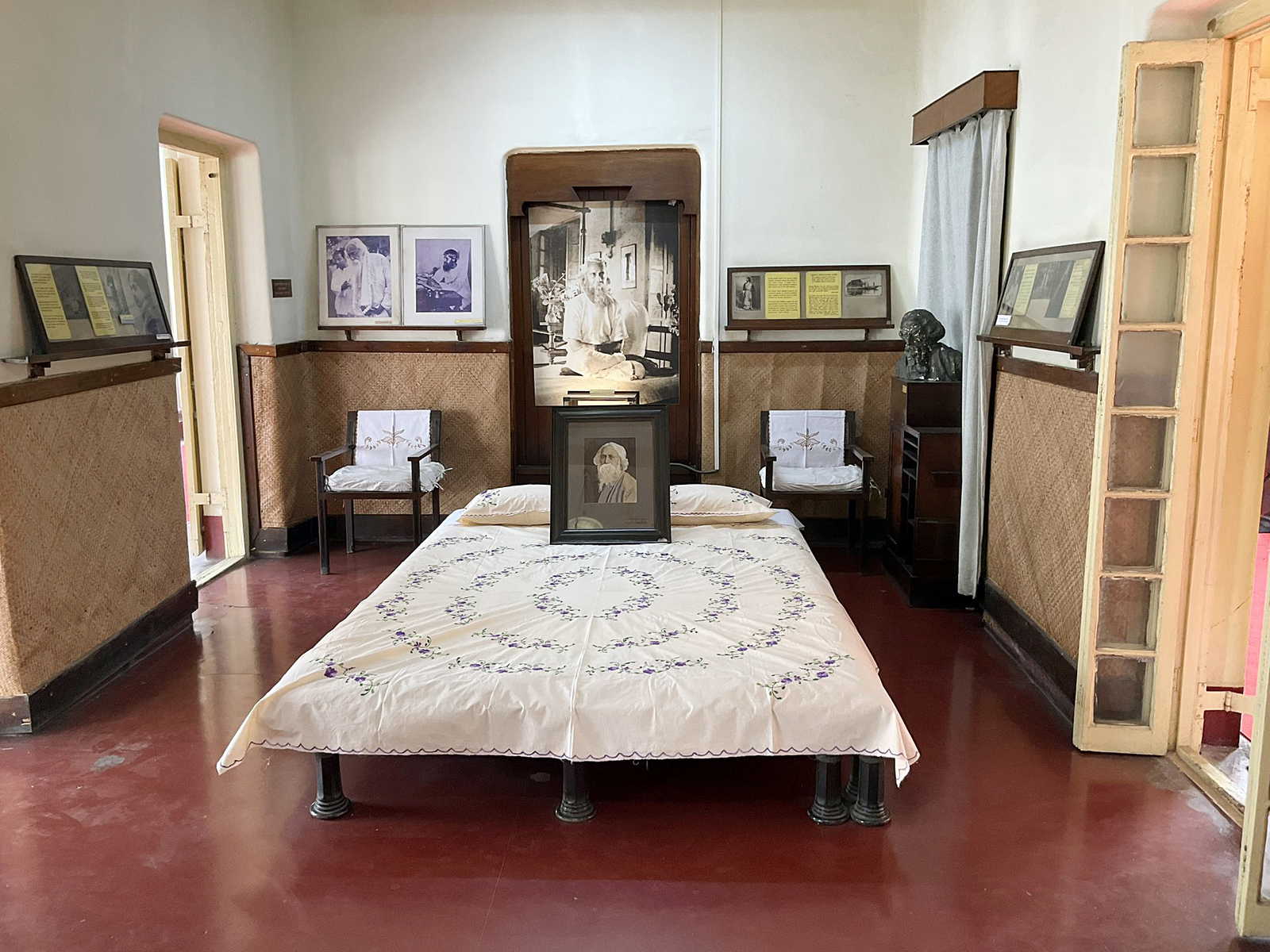
One of the most moving sections of the museum is the room where Tagore spent his final days. The space has been carefully preserved, giving visitors a deeply personal glimpse into the poet's life.
More than a heritage site
For literature lovers, history enthusiasts and travellers, Jorasanko Thakurbari remains more than just a museum. It offers a rare chance to experience the world that shaped one of India's greatest literary minds and continues to connect visitors with the cultural history of Bengal.