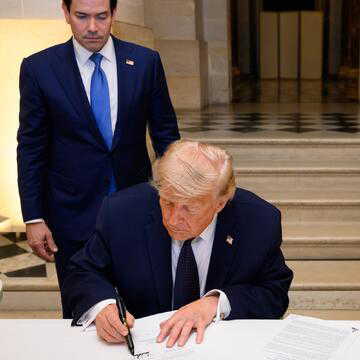
The United States and Iran signed a memorandum of understanding on Wednesday that sets out a 14-point framework to extend the ceasefire in the war between them and begin negotiations on a permanent nuclear settlement.
The deal gives both sides 60 days to work out the unresolved technical issues, including the handling of Iran’s enriched uranium and the shape of any final agreement.
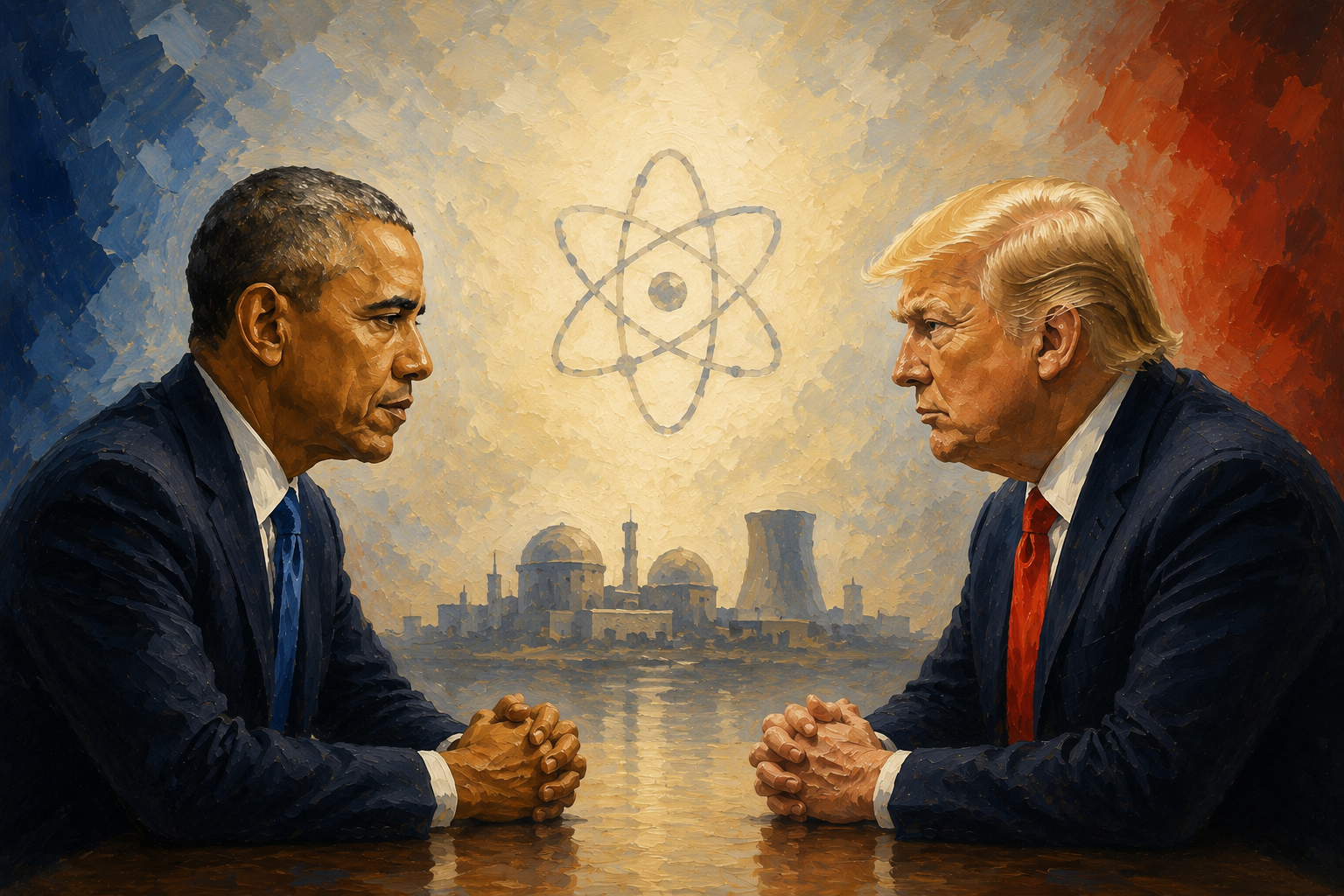
The timing and scope of the memorandum have placed it immediately beside the 2015 nuclear deal known as the Joint Comprehensive Plan of Action, or JCPOA.
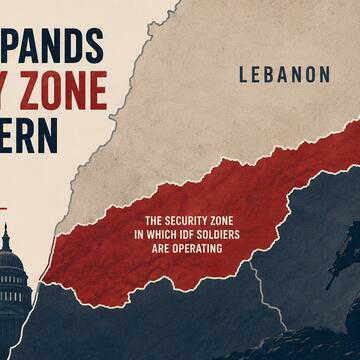
Also Read | Israel seeks to keep troops in Lebanon, releases new map despite sovereignty concerns under US-Iran pact
🚨 HOLY CRAP! President Trump just dropped this nuke in front of the press
— Eric Daugherty (@EricLDaugh) June 17, 2026
"[Obama gave Iran] $1.7 BILLION...you know what the Iranians did? They LAUGHED at Obama and said he's a stupid son of a b*tch!"
🔥🔥🔥 pic.twitter.com/W7dkt7i7LT
An argument rekindled across administrations
The comparison is politically charged because Trump spent years attacking the Obama-era accord.
In 2018, when he announced the US withdrawal from the JCPOA, Trump called it a “horrible, one-sided deal” and said it “didn’t bring calm” or peace.
That earlier agreement, negotiated over 18 months, ran to hundreds of pages and included detailed limits, verification provisions, and sanctions schedules. The new memorandum is far looser in form: it is bilateral, it is not yet a final treaty, and its technical provisions are still to be negotiated.
BREAKING: The U.S. is allowing Iran to immediately resume oil and fuel sales as part of the deal to end the war, per the WSJ.
— Republicans against Trump (@RpsAgainstTrump) June 16, 2026
The sanctions waivers would kick in right away and also cover banking, shipping, and insurance needed to support those sales.
So Iran gets billions in…
A question of atoms and ambiguities
On the core nuclear question, both documents say Iran will not seek nuclear weapons, but the JCPOA sets out that commitment in far more explicit language, stating that Iran would never “seek, develop, or acquire” nuclear arms.
The new memorandum says Iran “shall not procure or develop nuclear weapons" but leaves enforcement to later talks. On uranium enrichment, the JCPOA capped enrichment at 3.67% for 15 years, confined activity to Natanz, and restricted centrifuges.
The new text does not settle whether Iran may enrich at all, though it says the two sides agreed to resolve the fate of stockpiled enriched material and suggests on-site downblending under International Atomic Energy Agency supervision.
Where the money and missiles diverge
The sanctions architecture also differs in form, if not entirely in direction.
Under the JCPOA, relief was phased and tied to verification, with multiple countries involved. The new memorandum speaks of sanctions being lifted on an agreed schedule as part of a final deal and, according to the text read out by US officials, grants immediate waivers for oil and petroleum exports.
It also includes a pledge to develop a reconstruction and economic development plan worth at least $300 billion, a provision absent from the Obama-era accord.
Neither document meaningfully addresses ballistic missiles, and that omission remains one of the clearest reminders of how narrow the nuclear track still is.
Also Read | 'Either jealous, bad people, or stupid': Trump unloads on Iran agreement critics
FAQs
Q1: How is Trump’s 2026 Iran memorandum different from the 2015 nuclear deal?
Ans: The 2026 memorandum is a preliminary framework for further negotiations, while the 2015 JCPOA was a detailed, legally negotiated nuclear agreement with specific restrictions and verification measures.
Q2: Does the new U.S.-Iran memorandum ban Iran from enriching uranium?
Ans: No, the memorandum does not conclusively resolve Iran’s future enrichment rights and leaves key technical details for follow-up talks.