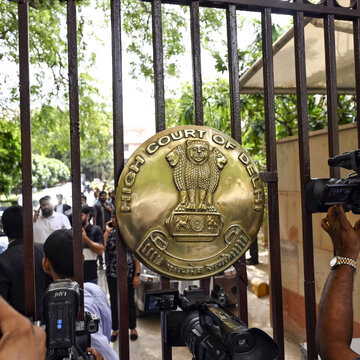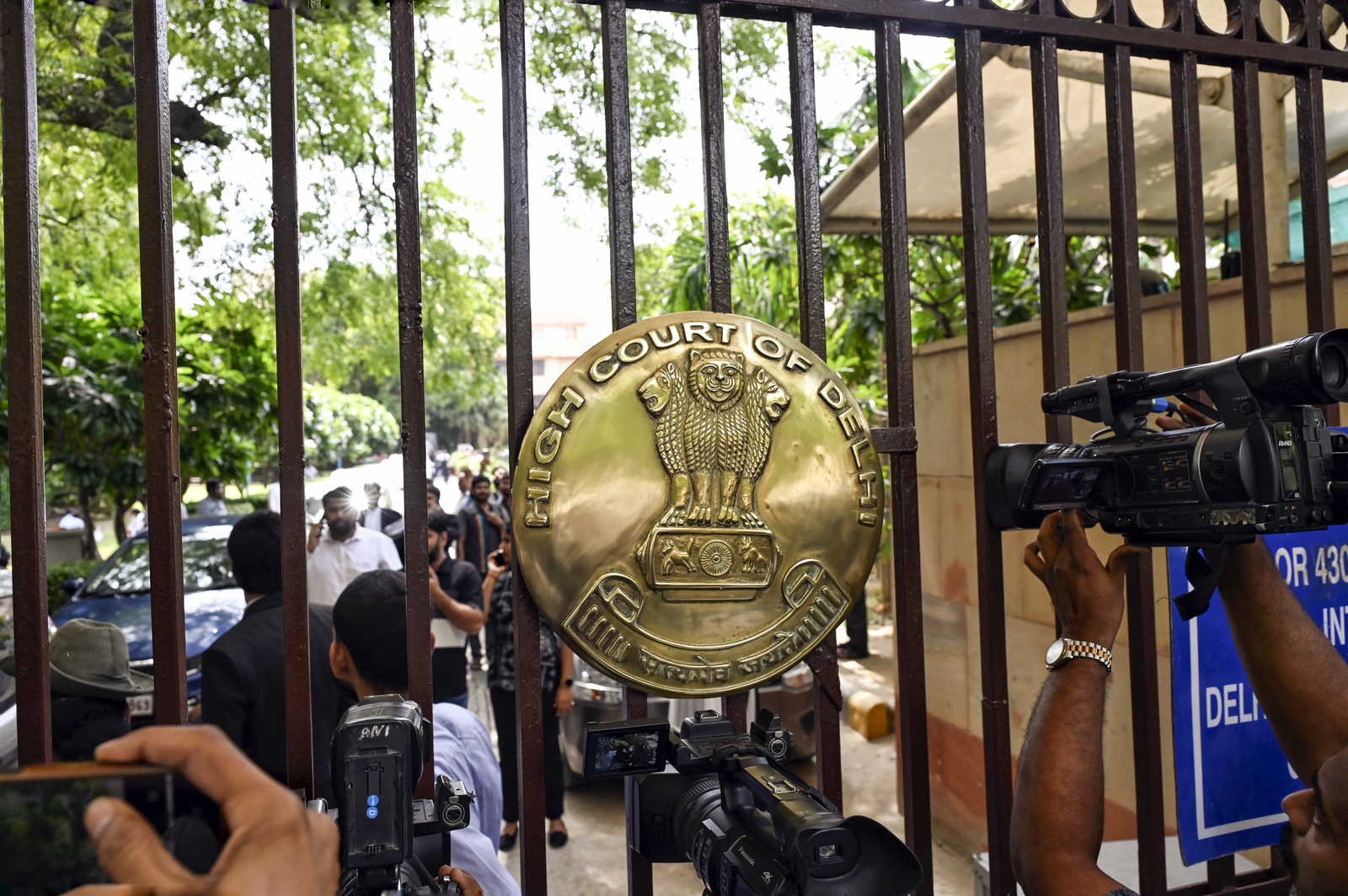
The legal battle over Telegram's temporary suspension in India has intensified, with the Centre telling the Delhi High Court that the messaging platform is rapidly turning into the “new dark web” and enabling criminal networks to flourish.
The government defended its decision to block Telegram until June 22, arguing that the move was necessary to safeguard the integrity of the upcoming NEET-UG re-examination.
Telegram, meanwhile, has strongly opposed the action, calling it disproportionate and discriminatory, while arguing that millions of innocent users are being punished for the alleged actions of a few.
Centre says Telegram has become a tool for organised crime
According to Scroll, in an affidavit submitted before the Delhi High Court, the government claimed criminals were increasingly using Telegram channels to connect users to hidden networks operating on the dark web.
Authorities argued that the platform's structure made it difficult to trace offenders and establish accountability.
The Centre also alleged that several Telegram groups were involved in distributing leaked or fake NEET question papers, facilitating fraud and coordinating cheating networks ahead of the re-examination scheduled for Sunday.
A major concern flagged by the government was Telegram's message-editing feature, which officials claim can be used to manipulate timestamps and fabricate evidence after events have already taken place.
Also Read | Delhi dentist held after allegedly killing house help, claims she brought ‘bad energy’ into home
Telegram argues ban unfairly targets millions of users
According to Scroll, Telegram has challenged the blocking order, saying the government has unfairly singled out one platform.
The company argued before the court that misuse by a small group of users cannot justify shutting down an entire service used by more than 150 million people in India.
It has also invoked Article 14 of the Constitution, claiming the government's decision violates the principle of equality.
The platform has maintained that restricting access to such a widely used communication service causes significant inconvenience to ordinary users, businesses and educational communities that rely on it every day.
After hearing arguments from both sides, the Delhi High Court reserved its order on Thursday.
Also Read | Vande Bharat Sleeper expansion gathers pace: Mumbai-Bengaluru among key routes on railway radar
NEET paper leak controversy continues to fuel political tensions
The Telegram controversy stems from the ongoing NEET-UG paper leak scandal.
According to Scroll, the original examination conducted on May 3 was cancelled following allegations that a leaked “guess paper” closely matched several questions that eventually appeared in the actual examination.
The Central Bureau of Investigation is currently probing the matter after registering a case involving criminal conspiracy, cheating and corruption-related charges.
The controversy has also triggered sharp political reactions. Aam Aadmi Party chief Arvind Kejriwal accused the government of failing to address the root cause of paper leaks.