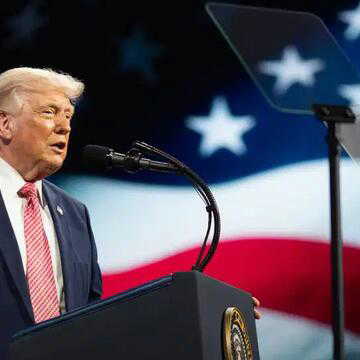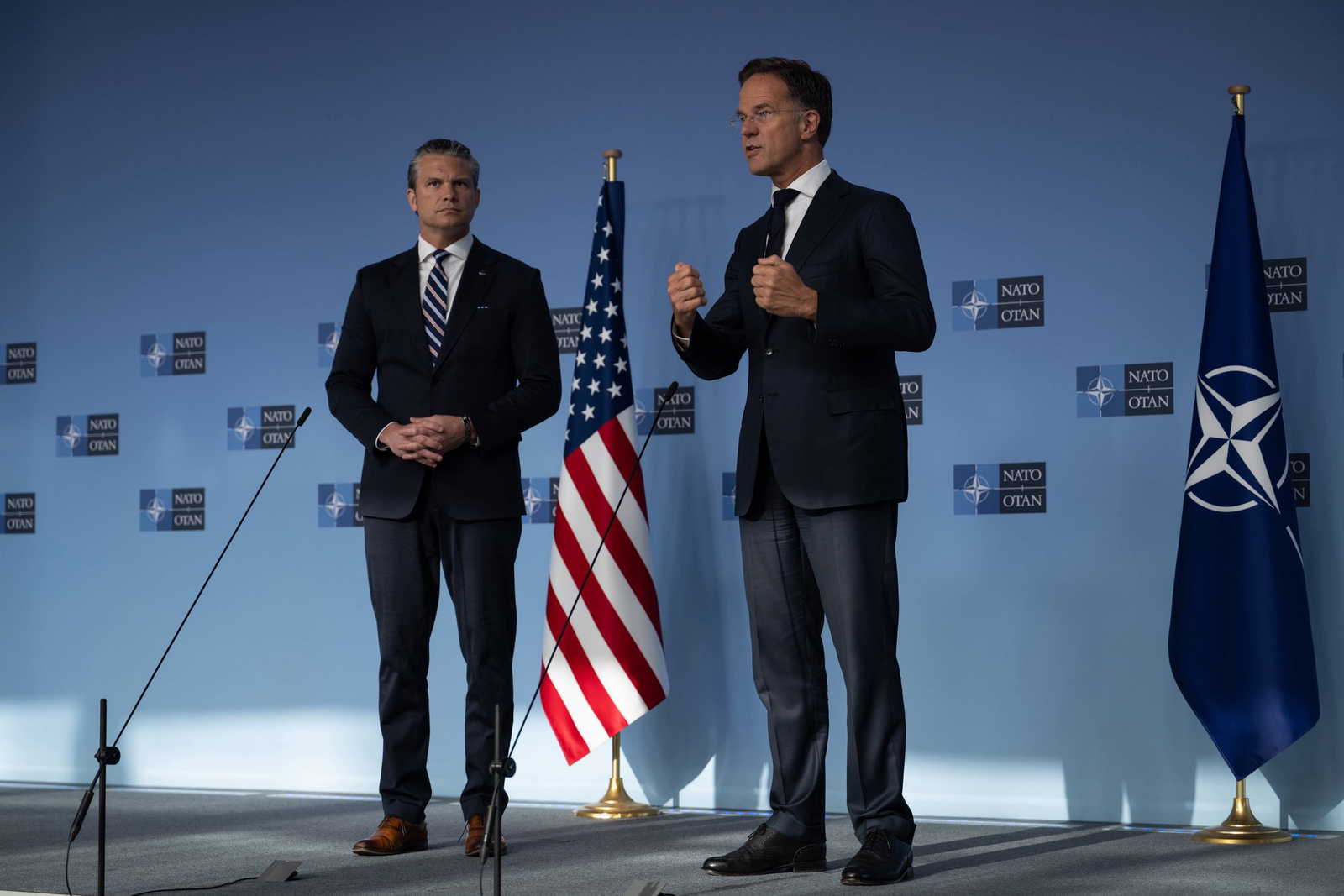
On Thursday in Brussels, US Defence Secretary Pete Hegseth used a NATO defence ministers’ meeting to rebuke allies over defence spending and their response to the Iran war while announcing a six-month Pentagon review of US military forces in Europe.
The review, he said, would assess how quickly European members take greater responsibility for their own security, adding fresh pressure on an alliance already grappling with questions about America’s long-term commitment on the continent.
Also Read | Tornado fears grow as flash flooding inundates Cincinnati streets
🚨 JUST IN: SecWar Pete Hegseth tells NATO to their FACES they've been a PAPER TIGER free-riding off America, and it's NOT flying anymore
— Eric Daugherty (@EricLDaugh) June 18, 2026
"For too long, NATO has been a paper tiger and a one-way street. NO MORE!" 🔥
"Europe was NOT supposed to be a dependency of the United… pic.twitter.com/03Xdq7hJfH
No more free rides, says Washington
Hegseth told NATO counterparts that the review was meant to ensure the alliance moves “fast and irreversibly” toward Europe leading its own defence.
He accused some allies of denying US forces access, basing and overflight rights for operations linked to Iran, calling that refusal "shameful". He also said some countries would fail the review while others would “pass with flying colours" and argued that Europe must help turn NATO into “a real hard-line military alliance".
Hegseth described the alliance as a “paper tiger” and “one-way street", language that underscored the blunt tone of his remarks.
NATO 3.0: Europe must take the lead. pic.twitter.com/9mosHqg0BD
— Secretary of War Pete Hegseth (@SecWar) June 18, 2026
Enter the age of 'NATO 3.0'
The Pentagon chief also recast the alliance’s future as “NATO 3.0", saying NATO needed to return to a hard-line military posture built around conventional defence in Europe.
ABC reported that he said the United States would invest $US 1.5 trillion in defence in 2027 and present that as an “arsenal of freedom” that protects American interests while backing NATO.
The review would last up to six months and include consultations with Congress. The Trump administration had recently said it would not provide as much military support if a NATO member came under attack.
Filling the gaps, one ally at a time
The remarks landed as European allies and Canada continue to adjust to a reduced American military footprint in Europe.
NATO Secretary-General Mark Rutte said the reduction in US contributions to the alliance’s crisis forces was already in effect, while Belgian Defence Minister Theo Francken said his country would contribute more to help fill some gaps.
The debate over force levels and access rights is expected to remain central as NATO prepares for a summit in Ankara next month.
Also Read | 'We passed beneath power lines': Iran shares account of mission targeting US base in Kuwait
FAQs
Q1: Why is the US reviewing its military presence in Europe?
Ans: The Pentagon says the review will assess force deployments and encourage European NATO members to take greater responsibility for regional security.
Q2: What did Pete Hegseth say about NATO allies?
Ans: Hegseth criticised some NATO members for insufficient defence commitments and for reportedly denying support for US operations linked to the Iran conflict.