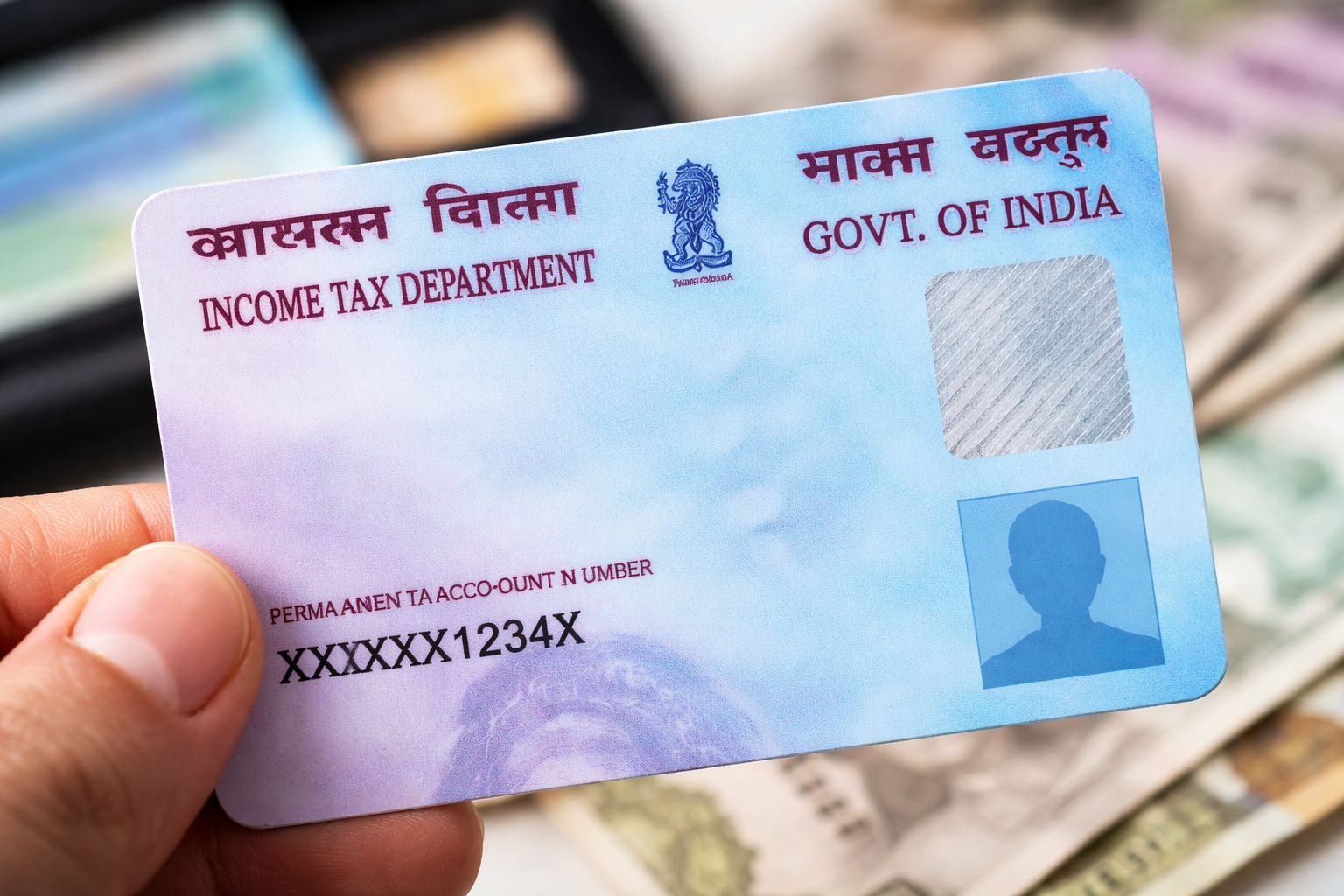
Taxpayers applying for a Permanent Account Number (PAN) from April 1, 2026, will now have to choose from four newly-introduced forms: Form 93, 94, 95 and 96. The updated system replaces the earlier format with a more structured approach, tailored to different categories of applicants.
The revised forms aim to simplify the application process and make it easier for individuals, companies and foreign entities to file accurately, The Economic Times stated in its report.
Also Read | Sending over Rs 10,000 via UPI? You may have to wait an hour soon as RBI plans major changes
Which form should you use?
The four forms are designed for specific applicant groups:
Form 93: Individual being a citizen of India
Form 94: Indian companies or entities incorporated in India or unincorporated entities formed in India
Form 95: Individuals not being a citizen of India
Form 96: Entities incorporated outside India or unincorporated entities formed outside India
All forms fall under Rule 158, Section 262, ensuring uniformity in legal reference while catering to different user categories.
Old vs new PAN forms
Previously, PAN applications were divided into just two forms under Rule 114 of the Income-tax Rules, 1962:
Form 49A: For Indian citizens and entities incorporated or formed in India
Form 49AA: For foreign individuals and entities
The new system replaces these with four distinct forms, making the classification more precise and reducing confusion.
Key changes in the new system
The updated PAN forms have been redesigned to be more concise and user-friendly. Each form now contains only the information relevant to its specific category, helping applicants avoid unnecessary details.
Contact details such as mobile number and email have been made mandatory for all applicants. This ensures better tracking and communication from the Income Tax Department.
Other notable changes include a larger photograph size for clearer identification and improved consistency in structure and terminology across all forms. Several outdated or unnecessary fields, such as salutations and name abbreviations, have been removed.
Changes for resident individuals
For Indian citizens, additional updates have been introduced. Applicants must now provide their full name in expanded form, though initials are allowed if they match Aadhaar records.
Also Read | Why gold saw its sharpest drop since 2013 despite strong yearly trend
Mother's name has been made mandatory, and new fields have been added to capture residential status, such as resident or non-resident. Applicants can also opt to receive their PAN card at an office address, subject to additional proof.
In cases involving a representative assessee, detailed information, including contact details and identification numbers, is now required to establish authenticity.