A steep jump in jet fuel prices, triggered by the ongoing US-Israel and Iran conflict, is rippling through the global aviation sector. Fuel, which typically accounts for nearly a quarter of an airline’s operating cost, has climbed sharply from about $85–$90 per barrel to as high as $150–$200 in recent weeks. The spike is forcing carriers to rethink pricing, routes and near-term expansion.
Fare hikes and fuel surcharges kick in
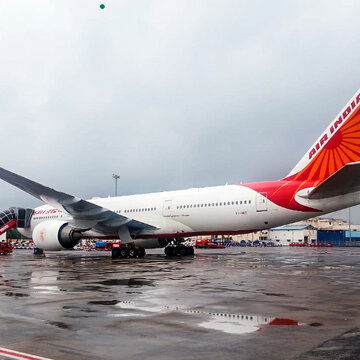
Airlines across regions have responded quickly. In India, IndiGo has imposed fuel surcharges on domestic sectors to the tune of ₹950 and on international sectors ranging from ₹10,000 for all tickets issued effective April 2. Air India has shifted from a flat surcharge to a distance-based system, with domestic passengers paying between ₹299 and ₹899 depending on route length.
Also Read | Air India, IndiGo raise ticket prices as global crisis disrupts flight routes
Akasa Air had already moved earlier, implementing fuel surcharges ranging from ₹199 to ₹1,300 from mid-March.
Globally, airlines are taking similar steps. Air France plans to increase long-haul ticket prices, adding about 50 euros per round trip. Pakistan International Airlines has raised fares by $20 on domestic routes and up to $100 on international sectors. SunExpress, a joint venture between Turkish Airlines and Lufthansa, will introduce a temporary fuel surcharge on select routes from May.
Additional fees and cost controls
Beyond ticket prices, airlines are also raising ancillary charges. American, Delta, and Alaska Air, among others in the United States, have raised baggage charges, sometimes substantially, for extra bags. This has also been done by United, which is cutting unprofitable flights. Airlines are also making efforts towards efficient operations and cost reduction.
Also Read | Air India, Air India Express to operate special Gulf flights on April 8: Check routes and cities
Several airlines like AirAsia have decided to decrease their capacity and put off expanding their services. In addition, the airline has reduced its capacity by 10 per cent and introduced a fuel surcharge that amounts to 20 per cent. Air New Zealand has announced the suspension of its flight operations till May and June due to fluctuations in fuel prices.
Delta has scaled back planned capacity growth and is holding off on updating its annual outlook. United Airlines has warned that oil prices could remain elevated for years and is adjusting its network accordingly.