A new US study has found that so-called “forever chemicals” are present in nearly all human blood samples tested, adding to growing global concern over long-term exposure to PFAS compounds commonly used in household and industrial products.
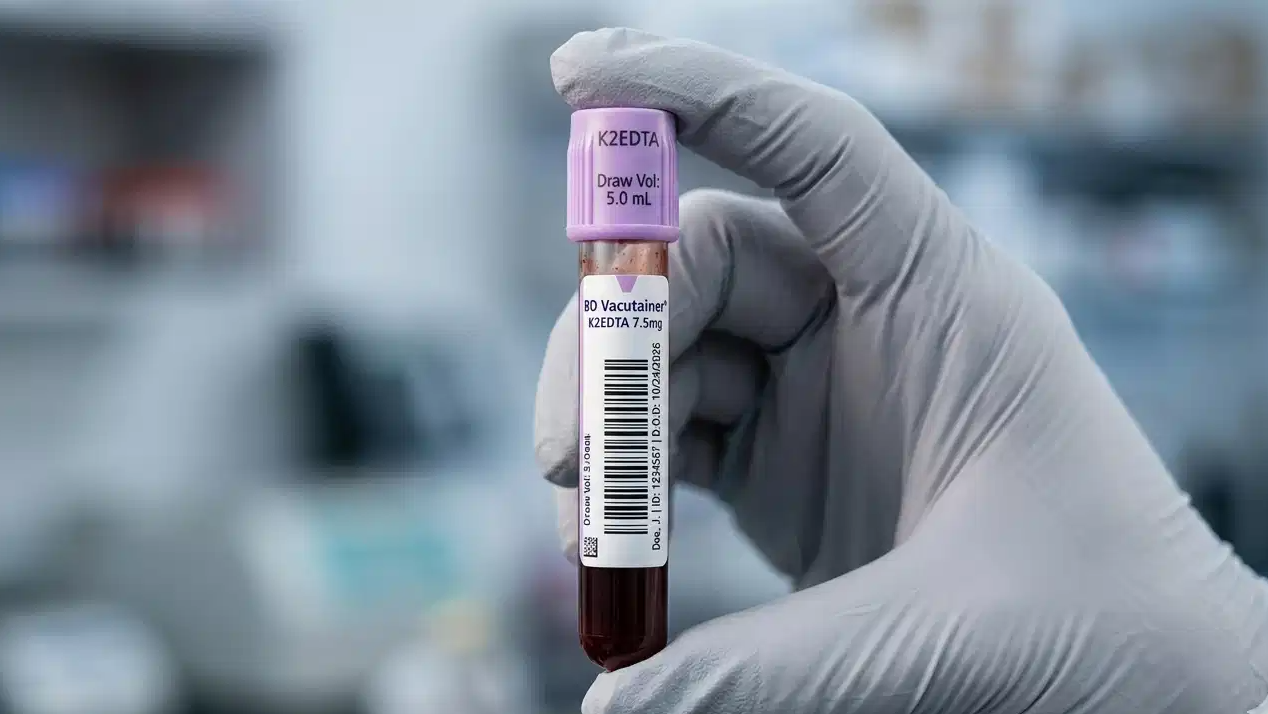
Researchers from NMS Labs in Pennsylvania analysed 10,566 blood samples submitted for PFAS testing and found detectable traces of the chemicals in 98.8% of them. The findings were published in the Journal of Occupational and Environmental Hygiene.
PFAS, short for perfluoroalkyl and polyfluoroalkyl substances, are a large group of synthetic chemicals widely used in products such as non-stick cookware, food packaging, furniture, textiles and waterproof materials because of their resistance to heat, oil and water.
Also Read | Trump reignites Venezuela debate with '51st state' post ahead of China trip
Scientists call them “forever chemicals” because they break down extremely slowly and can remain in the environment and the human body, for years.
Most people carried multiple PFAS compounds
According to the study, most people were not exposed to just one chemical but to several PFAS compounds simultaneously.
Researchers found that only 0.18% of samples contained a single PFAS chemical. Most samples showed combinations of five or more compounds, raising questions about the cumulative health impact of mixed exposure.
 AI Generated
One of the most commonly detected chemicals was PFHxS, found in 97.9% of samples tested. The compound is often used in textiles, furniture coatings and industrial adhesives.
“Instead, individuals typically carry body burdens comprising five or more PFAS with differing bioaccumulation properties and half-lives,” toxicologist Laura Labay from NMS Labs said in a statement discussing the findings.
The researchers noted that the study only screened for 13 common PFAS chemicals, meaning the actual number of compounds present in the human body could be much higher.
Scientists still studying long-term health impact
Although PFAS exposure has become increasingly common, scientists are still working to fully understand the long-term impact on human health.
Previous laboratory and animal studies have linked certain PFAS compounds to liver damage, immune system disruption, hormonal imbalance, faster ageing, fertility issues and increased cancer risk. However, researchers say direct causal links in humans still require more evidence.
The study also highlighted concerns over combined exposure to multiple chemicals at the same time, with researchers identifying more than 70 different PFAS combinations across the samples tested.
Also Read | US cracks down on India-linked fentanyl network, imposes visa ban on 13 individuals
“By identifying these shared exposure patterns, the study offers a greater understanding of what widespread, combined PFAS exposure may mean for human health,” Labay said.
Governments in several countries have already begun restricting the use of specific PFAS compounds because of environmental and health concerns. However, replacing them remains difficult because of their widespread industrial applications.
Researchers said future studies should focus on how different PFAS mixtures interact inside the human body and what level of exposure may become dangerous over time.