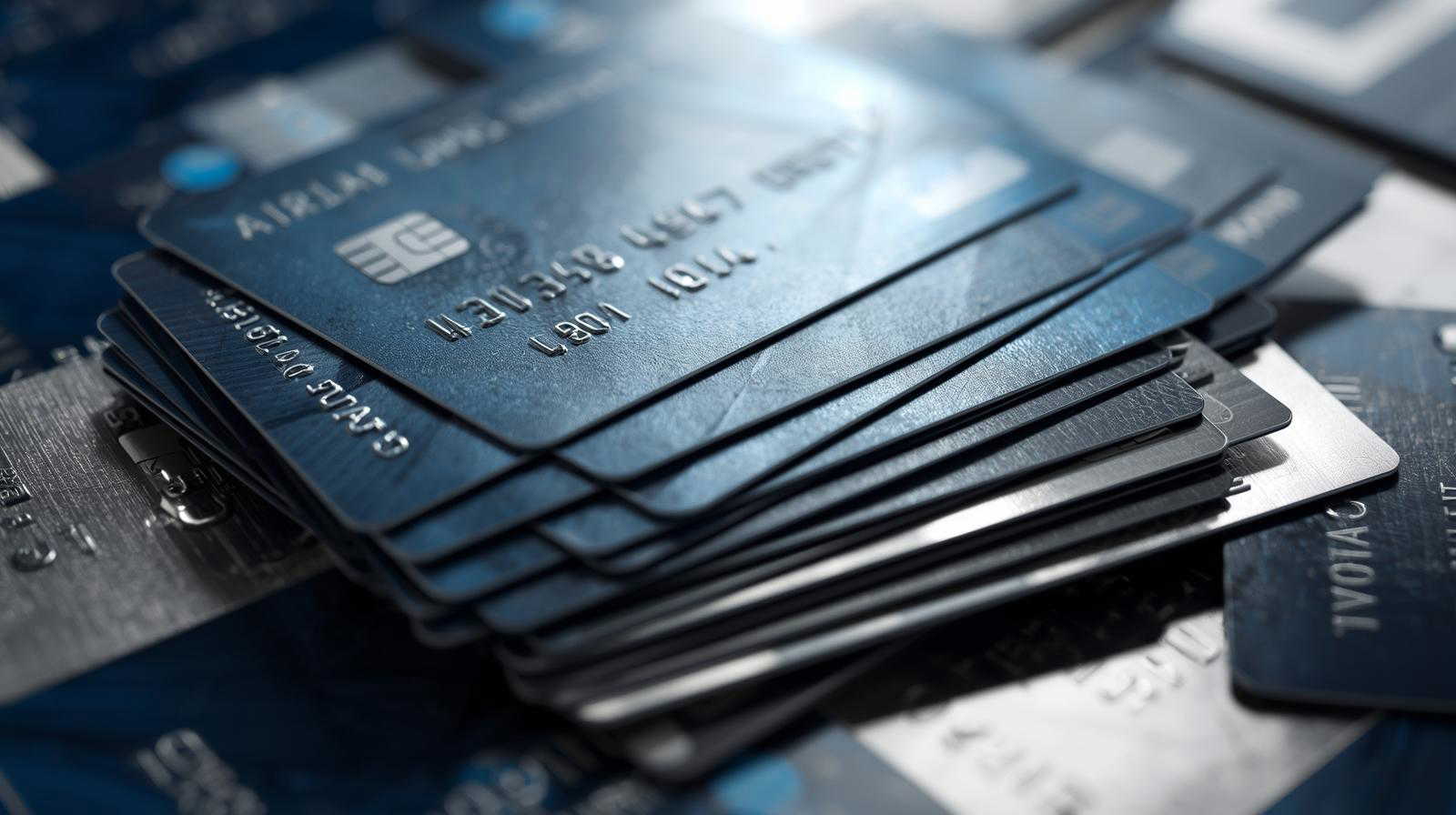
If you think the number of credit cards in your wallet affects your CIBIL score, experts say you’re asking the wrong question. What matters far more is how much of your total credit limit you actually use.
According to financial experts, crossing an important line at 30% credit utilisation can silently affect the score, despite regular repayments.
As Manish Shara, co-founder and CEO of ZET, explains, credit scoring algorithms don’t punish customers who have many cards, but rather monitor the user’s behavior. "High credit utilisation signals dependency on credit," he says, as cited by NDTV. That is among the top red flags that lenders consider.
Also Read | Have a PNB account? It could be shut from April 16: Here’s why
Hence, holding even three or four cards will not influence the customer’s credit profile negatively, provided the card usage is kept within limits.
Why multiple cards can actually help
Experts like Anand Agrawal, co-founder of FixMyScore and Credgenics, say multiple cards can improve your credit profile if used strategically.
A higher combined credit limit lowers your utilisation ratio. For instance, spending ₹30,000 on a ₹1 lakh limit (30%) is riskier than the same spend on a ₹3 lakh limit (10%). However, this advantage works only when spending remains disciplined.
The 30% rule most users ignore
All specialists advise on one indicator that one should keep their credit utilisation level below 30%.
This means the overall percentage, including all your cards, rather than each card separately. Many people believe paying bills on different cards is safer. This isn’t true. If your utilisation level is above 30-50%, banks will consider this a problem for you.
As Agrawal noted in his conversation with NDTV, for people willing to raise their credit scores, having an under 10% utilisation level is much more effective.
The high price of 'minimum due'
Most credit cards have the interest-free period for 45 days if the debt is fully cleared.
If you pay the minimum amount, interest is charged immediately; its average percentage varies from 36 to 48 percent per year. Experts advise that even a ₹10,000 debt could grow considerably, since interest accrues not only on the existing debt but also on further spending.
According to Siddharth Maurya, the founder of Vibhavangal Anukulakara, reported by NDTV, it is best to automate full repayment of the bills.
Also Read | LIC launches MyLIC to offer real-time tracking, online loans, easy policy revival
Why your score drops despite paying on time
What many users find confusing is how their scores go down even when they make their payments punctually. The explanation comes from how lenders assess behavior.
Experts stress that treating your credit limit like disposable income is one of the biggest mistakes borrowers make.
Using credit cards responsibly will help you develop your financial record, get various perks, and gain access to cash. But if misused, credit cards will be one of the costliest loans.
The key is not in having fewer credit cards but in keeping the credit utilization under 30% and paying off the debts entirely every month.