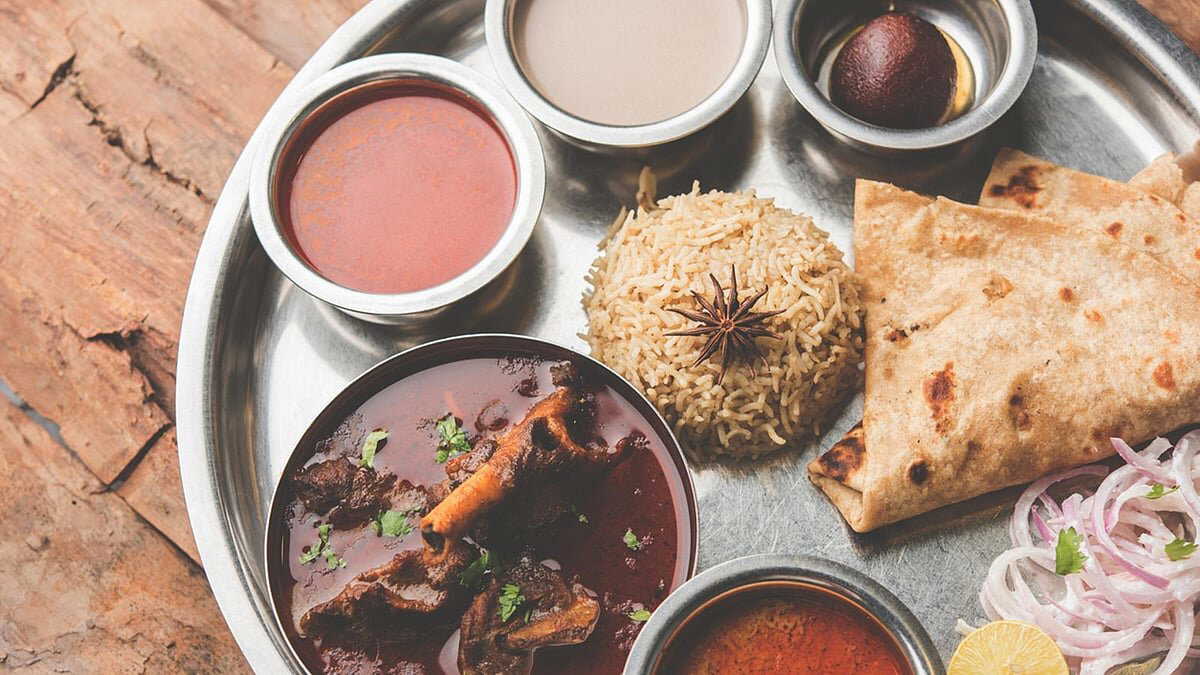
With the increased supply of vegetables in the market during this time, it's no surprise that the price of home-cooked veg thalis in the country will decrease in November.
However, a survey report published on Monday by credit rating agency CRISIL claimed that in November this year, the prices of both home-cooked veg thalis and non-veg thalis in the country decreased by 12% compared to the same period last year. The survey team claimed that the significant reduction in vegetable and lentil prices played a major role behind the decrease in thali prices.
Due to comparatively higher production this year and substantial imports, people were given considerable relief in vegetable and lentil costs in November. As a result, veg thali prices decreased by 13% in November. Additionally, broiler prices, which account for 50% of non-veg thali costs, decreased considerably, allowing for both variety and quantity to be increased in non-vegetarian meals in November.
ALSO READ | Kaziranga welcomes 35 critically endangered vultures back to the wild
The Roti Rice Rate Report published today further claimed that compared to November last year, tomato prices decreased by 17% and potato prices decreased by 29% in November this year.
Additionally, due to an abundant harvest, onion prices decreased by a remarkable 53% in November, providing significant relief to households in their domestic thali expenses. A 17% drop in lentil prices compared to last year helped bring down thali costs. Similarly, other cooking ingredients (such as oil, spices, etc.) becoming cheaper has broadened housewives' smiles and lengthened lunch and dinner menu lists.
However, there is also uncomfortable news. While non-veg thali costs decreased by 1% in November compared to October, veg thali prices actually increased by 2%. Experts blame the increased imports in October for this. In October, the central government increased 'benefits' on import input prices, leading traders to increase imports from abroad. These benefits are still available.