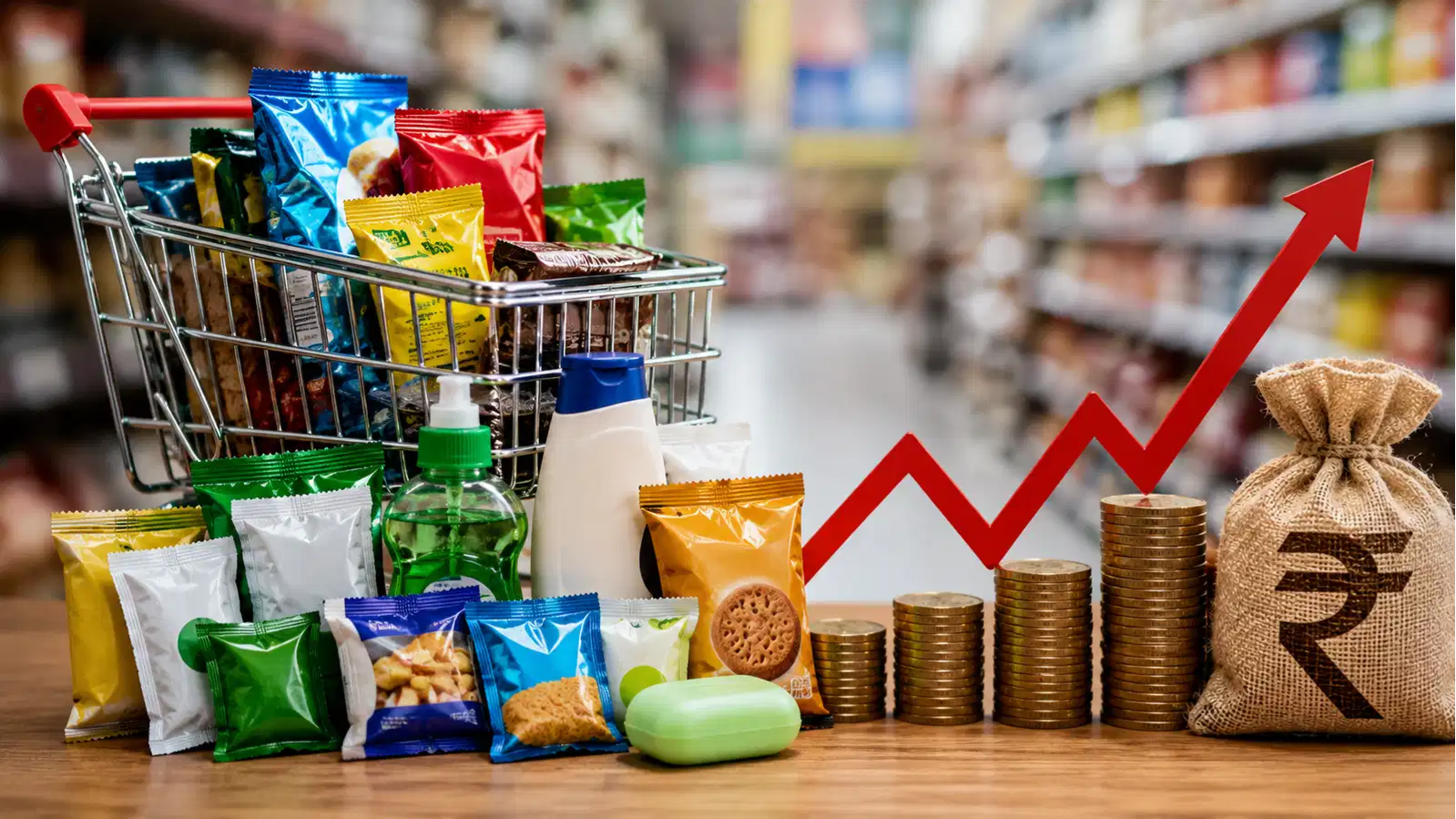
Indian consumers are increasingly choosing smaller, low-cost packs of daily essentials as inflation and rising living costs continue to strain household budgets. The shift is prompting fast-moving consumer goods (FMCG) companies to focus on ₹5 and ₹10 products to maintain sales volumes while navigating higher input and packaging costs.
Per New18, industry executives say consumers are becoming more cautious with spending, particularly in urban areas where demand for larger packs and premium products has softened. As a result, smaller packs of products such as biscuits, shampoos, soaps, beverages and snacks are witnessing stronger demand.
Why consumers are opting for smaller packs
Experts cited by News18 attribute the trend to rising inflation, higher food prices and increased household expenses. Smaller packs allow consumers to manage daily cash flow without making large purchases, even if the per-unit cost is higher.
The ₹5 and ₹10 price points remain particularly important in India's price-sensitive market, where affordability often drives purchasing decisions. These low-unit-price packs are especially popular in rural areas and among budget-conscious urban shoppers.
FMCG firms protect key price points
Rather than increasing the printed price on popular low-cost packs, many companies are reducing the quantity of products sold at these price points, a practice commonly known as "shrinkflation." Companies say consumers are more sensitive to visible price hikes than to minor reductions in pack size.
Also Read | Is Starlink's India entry stalled? Elon Musk's company responds
Dabur, Britannia, Hindustan Unilever and several other FMCG companies have indicated that rising costs of packaging materials, fuel and raw materials are forcing them to either reduce grammage or selectively raise prices on larger packs.
Rising costs add pressure on companies
The situation has been aggravated by higher crude oil prices, increased logistics expenses and rising packaging costs. Industry leaders say geopolitical tensions and supply-chain disruptions have further squeezed profit margins.
To manage these challenges, companies are combining selective price increases with cost-cutting measures and a renewed focus on affordable product formats.
Affordability remains key
Despite changing consumer preferences and the growth of premium products, ₹5 and ₹10 packs continue to play a crucial role in India's FMCG market. According to the News18 report, analysts say these "magic price points" remain essential for maintaining brand loyalty and ensuring that products remain accessible to a broad section of consumers.
Also Read | PM Modi becomes India’s longest-serving elected Prime Minister, completes historic 12-year milestone
As inflationary pressures persist, the popularity of smaller packs is likely to remain strong, highlighting the importance of affordability in one of the world's largest consumer markets.
FAQs:
Why are FMCG companies focusing more on ₹5 and ₹10 packs?
Companies are seeing stronger demand for low-cost products as consumers become more cautious with spending amid rising inflation and living costs.
What is driving the popularity of smaller product packs in India?
Higher household expenses and food prices are encouraging consumers to buy smaller quantities of daily essentials to better manage their budgets.