A rapidly escalating measles outbreak has placed Bangladesh's healthcare system under immense pressure, with fresh fatalities among children highlighting the severity of the crisis. What was initially viewed as a localised health concern has evolved into a nationwide emergency, exposing vulnerabilities in immunisation coverage and disease surveillance across several regions.
Health officials continue to report new infections daily, while hospitals remain burdened by a steady stream of young patients suffering from complications associated with the highly contagious virus. The outbreak has renewed concerns about the consequences of missed vaccinations and the challenges of maintaining herd immunity in densely populated communities.
Vaccination gaps create fertile ground for outbreak
According to News 18, public health experts believe the resurgence of measles is closely linked to gaps in routine immunisation programmes. Although Bangladesh has long maintained vaccination campaigns against childhood diseases, many children have missed one or both recommended doses of the measles vaccine.
The virus is among the most infectious diseases known to medicine. In communities where vaccination coverage drops below recommended levels, outbreaks can spread rapidly. Health authorities say several districts continue to have clusters of under-vaccinated children, creating ideal conditions for transmission.
The situation was further complicated by large-scale travel during Eid celebrations, when millions of people moved between cities and rural areas. Such movement allowed the virus to reach communities that previously reported few or no infections.
Also Read | From fake bookings to food safety, IRCTC cracks down on fraud, deactivates 3 crore suspicious accounts
Why measles remains a dangerous disease?
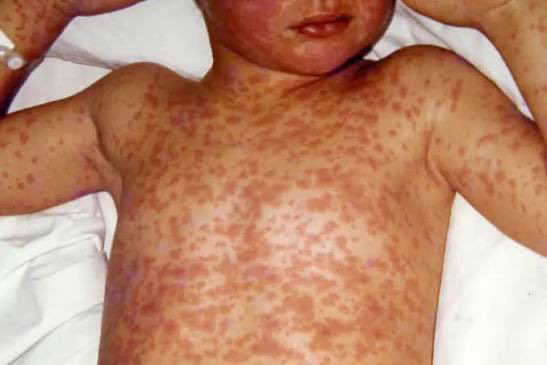
According to News 18, measles is often mistaken for a routine childhood illness, but doctors warn that it can lead to severe complications, particularly in young children and those with weakened immune systems. The disease typically begins with fever, cough, a runny nose and red eyes before progressing to the characteristic rash that spreads across the body.
In serious cases, measles can cause pneumonia, severe dehydration, brain inflammation and even death. Children who are malnourished face a significantly higher risk of complications.
One of the biggest challenges in controlling measles is that infected individuals can spread the virus before symptoms become obvious. This silent transmission allows outbreaks to expand quickly before health authorities can intervene.
Also Read | NTA cracks down on fake Re-NEET 2026 paper leak claims ahead of June 21 exam
Prevention remains the strongest defence
According to News 18, medical experts stress that vaccination remains the most effective way to prevent measles. Two doses of the MMR vaccine provide strong protection and are critical for maintaining community immunity.
There is currently no specific antiviral treatment for measles. Doctors focus on supportive care, including hydration, fever management and vitamin A supplementation, which can help reduce the severity of illness in children.
As Bangladesh works to contain the outbreak, health authorities are urging parents to ensure children receive all recommended vaccinations. Experts warn that unless immunisation coverage improves substantially, the country could continue to face recurring outbreaks of a disease that is largely preventable through timely vaccination.