Every day, millions of Railway passengers depend on onboard meals prepared in kitchens spread across the country. To ensure those meals meet hygiene standards, the Indian Railway Catering and Tourism Corporation (IRCTC) is turning to technology.
The Railway catering arm has built an extensive AI-powered surveillance network covering more than 800 kitchens nationwide. Linked to 2,394 smart cameras, the system monitors food preparation around the clock from a central control room in New Delhi.
The initiative comes as Indian Railways continues to expand its catering operations, now serving nearly 18 lakh meals daily across its network.
Inside IRCTC’s AI-powered war room
At the centre of the operation is a monitoring facility that receives live feeds from kitchens across India.
According to IRCTC officials, the artificial intelligence system has been trained to detect nine categories of hygiene-related violations. These include staff not wearing hairnets or gloves, inadequate cleaning practices and the presence of pests such as rodents, flies and cockroaches.
Also Read | Senior bureaucrats may lose national highway toll exemptions
The cameras continuously analyse kitchen activity and automatically generate alerts whenever a potential violation is detected.
Officials say the system is sensitive enough to identify insects measuring just 7 to 8 millimetres in size.
Once an issue is flagged, an alert is sent directly to the concerned kitchen manager. If corrective action is not taken within a specified timeframe, the matter is escalated for further action.
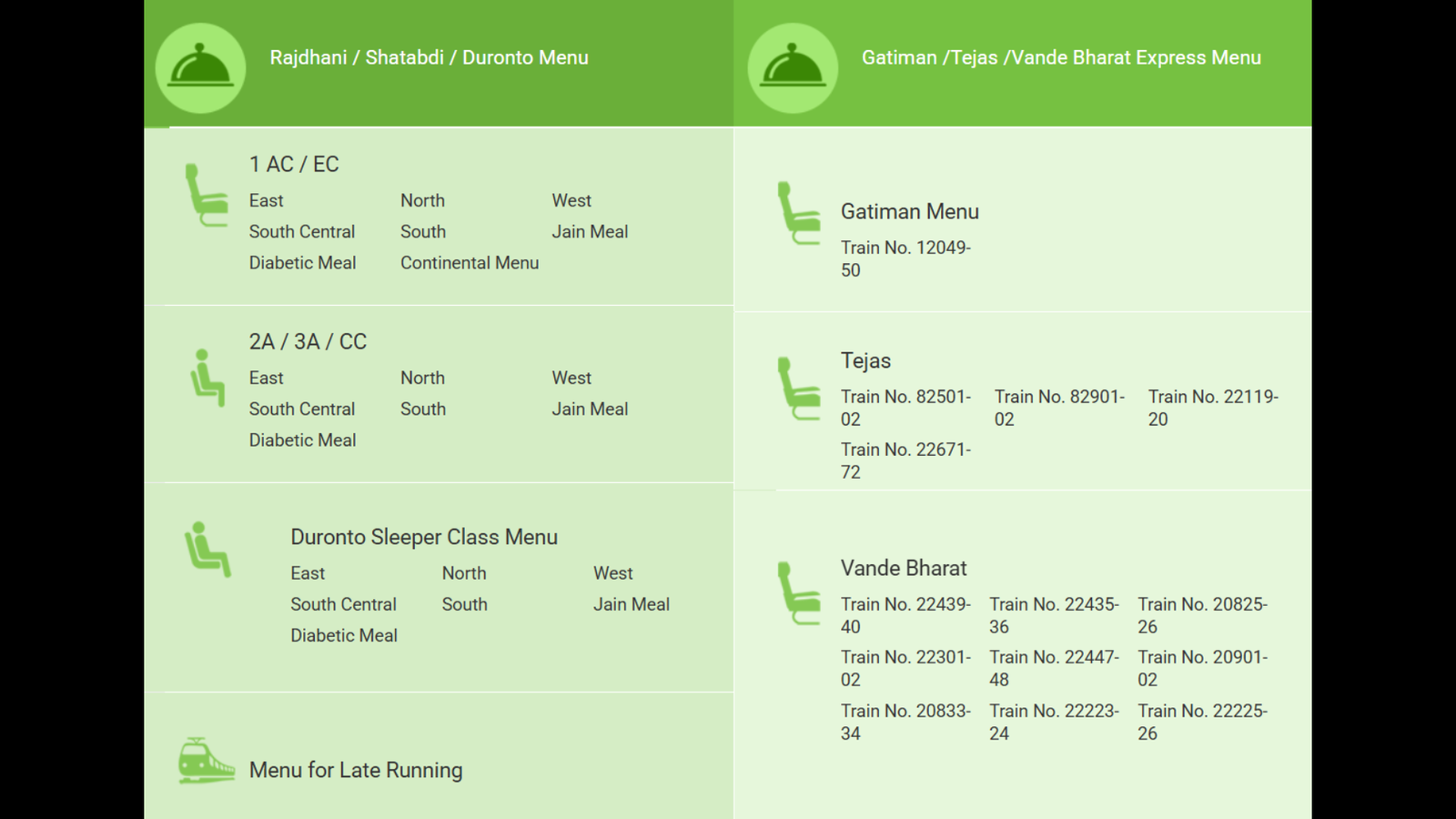 IRCTC
IRCTC
Hundreds of alerts generated daily
The scale of monitoring has resulted in a significant volume of alerts.
According to IRCTC, the system generates around 350 alerts every day. Over the past month alone, more than 13,500 alerts were recorded across different railway zones.
The Northern Region accounted for the highest number of cases, followed by the Eastern, Western, South Central and Southern regions.
Officials noted that one of the most common violations involves kitchen staff failing to properly wear hairnets while handling food.
However, the technology is not flawless. Approximately 10 per cent of alerts are believed to be false positives, often triggered by minor deviations. For example, a slightly displaced hairnet may be identified as a complete compliance failure by the AI system.
Also Read | Senior citizens filing ITR? Here’s how to pick the right tax return form
Rising meal volumes increase focus on quality
The technology upgrade comes at a time when railway catering operations are growing rapidly.
IRCTC says it now delivers nearly 60 crore meals annually. Daily meal deliveries have increased from around 16 lakh in March 2026 to approximately 18 lakh currently.
Catering services are available on around 1,453 trains, including premium services such as Vande Bharat Express, Rajdhani Express, Shatabdi Express, Duronto Express, Tejas Express and Gatimaan Express.
The corporation says the objective is to improve transparency, ensure real-time compliance and strengthen accountability throughout the food preparation process.
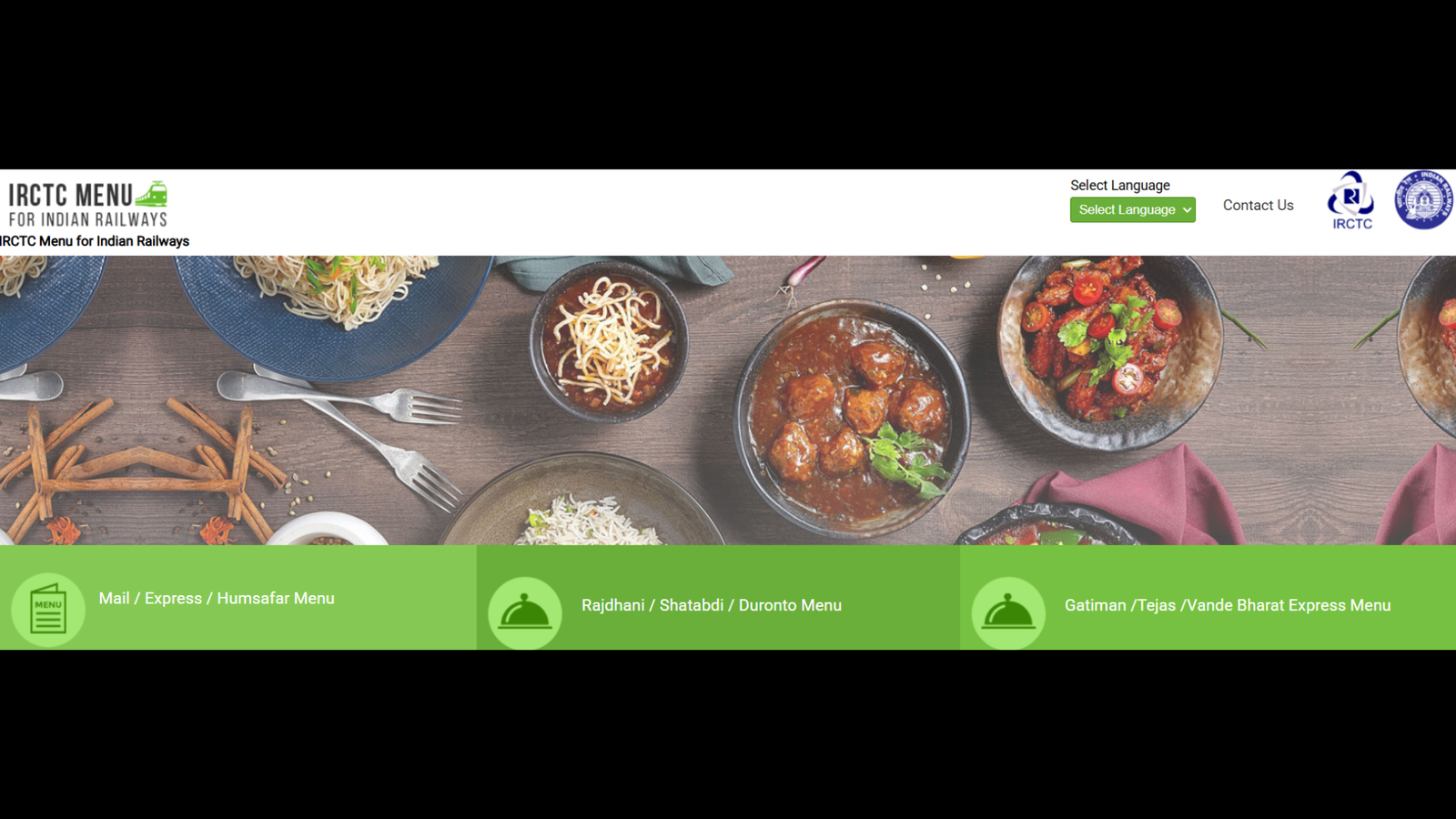 IRCTC
IRCTC
Complaints remain a challenge
The focus on technology-driven monitoring also reflects the challenges faced by railway catering services.
The Ministry of Railways recently imposed a ₹10 lakh penalty on IRCTC over a food quality issue involving curd served on the Patna-Tatanagar Vande Bharat Express. A private catering contractor associated with the service was also fined ₹50 lakh.
Government data presented in Parliament last year showed that more than 19,000 food-related complaints were received over a five-year period. While complaint numbers have declined compared to recent years, they remain significantly higher than pre-pandemic levels.
Also Read | Will El Nino bring harsher summers and weaker rainfall to India? Experts warn of risks
Against that backdrop, IRCTC believes artificial intelligence can help identify problems before passengers encounter them.
For an organisation serving millions of meals every week, even small improvements in hygiene standards could have a significant impact on passenger confidence and food safety across India’s vast railway network.