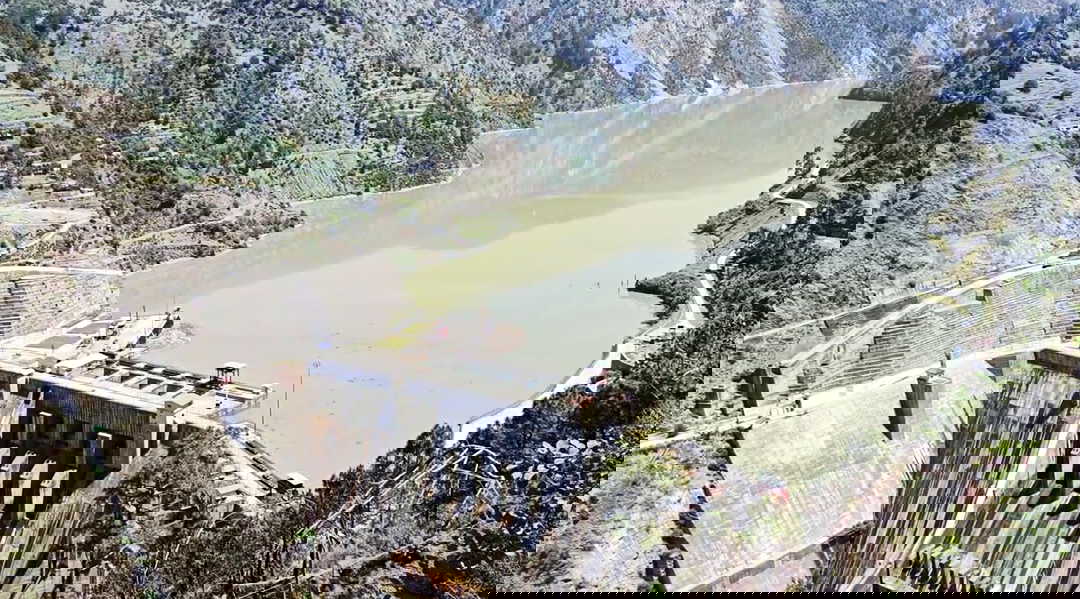
After the suspension of the Indus Waters Treaty with Pakistan, the Centre has moved swiftly to accelerate a major hydroelectric project on the Chenab river in Jammu and Kashmir. The government has fast-tracked the long-pending Sawalkot Hydroelectric Project. It signifies a sharper focus on optimising India’s share of river waters and boosting domestic power generation.
State-run National Hydroelectric Power Corporation (NHPC) has floated a ₹5,129 crore tender for the construction of the project in Ramban district. Planned on the Chenab, the Sawalkot project is designed to generate 1,856 MW of electricity, making it one of the largest hydroelectric ventures in the region.
ALSO READ | ‘No double standards, no compromise’: PM Modi delivers strong message on terrorism in Malaysia
Big push to power and infrastructure
According to the tender document, the bidding process for the dam, tunnels and associated works will open on March 12 and close on March 20, with bids remaining valid for 180 days. The overall construction timeline has been set at 3,285 days, indicating a long-term, multi-year execution plan.
Officials see the renewed momentum as part of a broader strategy to maximise India’s utilisation of waters permitted under the Indus framework, especially amid evolving geopolitical conditions. The Sawalkot project had remained stalled for years, but the current push reflects a stronger emphasis on energy security and regional development.
ALSO READ | Ghaziabad sisters' suicide mystery deepens: Phones, family secrets and 3 wives revealed
Once completed, the project is expected to significantly enhance Jammu and Kashmir’s power generation capacity and strengthen supply to the national grid. In addition to electricity generation, the project is also expected to create employment opportunities and improve infrastructure in the Ramban district.
India suspended the Indus Waters Treaty with Pakistan in April last year following the terror attack in Pahalgam that claimed 26 lives, an incident that sharply escalated diplomatic tensions between the two countries. Under the 1960 treaty, India controls the eastern rivers: Ravi, Beas and Sutlej, while Pakistan receives the bulk of waters from the western rivers-Indus, Jhelum and Chenab, though India retains limited usage rights over the western rivers.