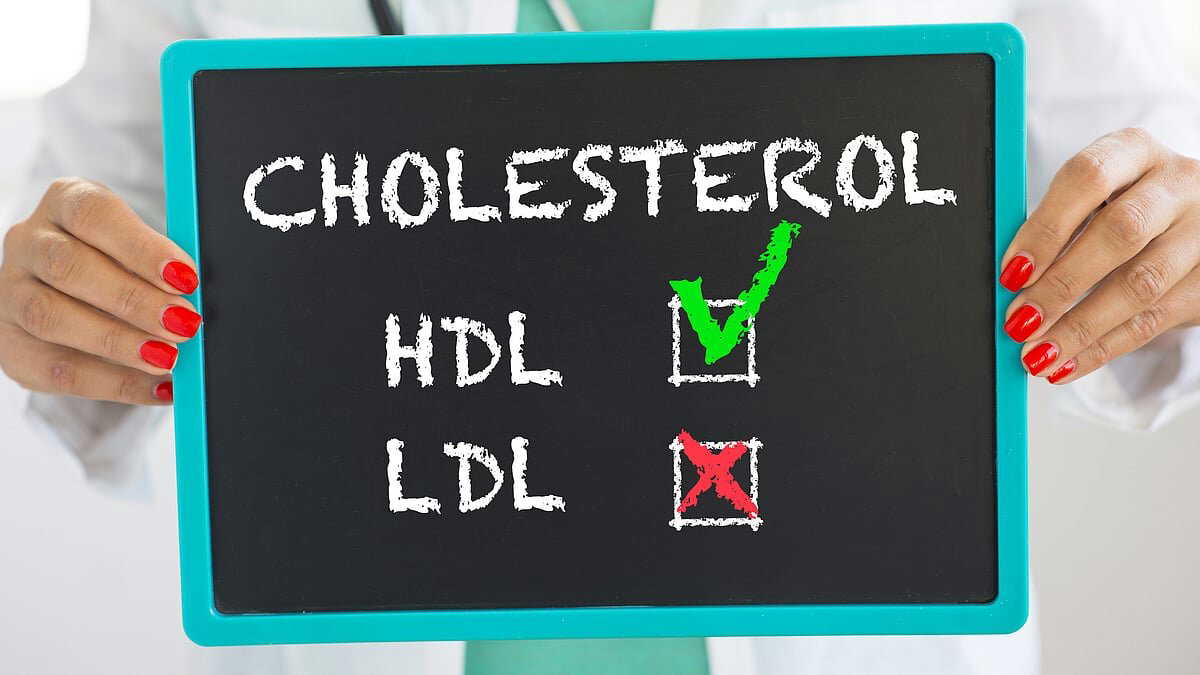
You panic as soon as cholesterol levels rise in your blood. You think the risk of a heart attack has increased. Heart disease has struck your body. But cholesterol doesn't always mean bad. The body has high-density lipoprotein (HDL) cholesterol. Which is known as 'good' cholesterol. To stay healthy, this HDL cholesterol level needs to be higher. HDL cholesterol should be above 50 mg/dL.
This cholesterol is produced in the liver. HDL cholesterol helps reduce inflammation in the body and prevents the risk of heart disease. When LDL cholesterol levels rise, it can be reduced through medication and diet. But increasing good cholesterol levels is not an easy task. However, diet and lifestyle are reliable for keeping HDL levels normal.
Also Read | Eating black raisins every day? Here’s how it helps your heart, skin and energy levels
Include healthy fats in your daily diet. You can eat almonds, walnuts, olive oil, avocado, fish, etc. These types of foods contain omega-3 fatty acids, which help increase HDL and prevent inflammation.
Reduce your carbohydrate intake. Also, avoid foods that contain saturated fat and trans fat. These types of foods increase LDL levels and decrease HDL levels. They also bring the risk of diabetes, obesity, and heart disease.
Exercise is also essential to increase good cholesterol levels. Regular walking, swimming, and cycling will not increase your lipid profile.
Also Read | Lactose intolerant? Add these calcium-rich fruits to your daily diet
To increase good cholesterol levels, you must quit smoking. Smoking increases LDL or bad cholesterol levels. This bad habit reduces good cholesterol levels and increases the risk of heart disease.
Keep your weight under control. Obesity itself creates cholesterol problems. So try to stay away from sedentary lifestyle and unhealthy eating habits. This will keep HDL or good cholesterol levels normal.