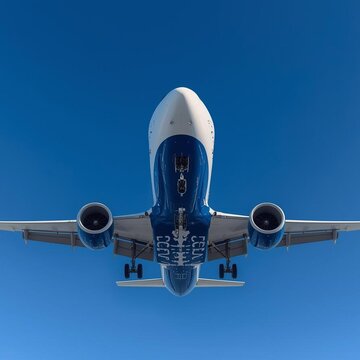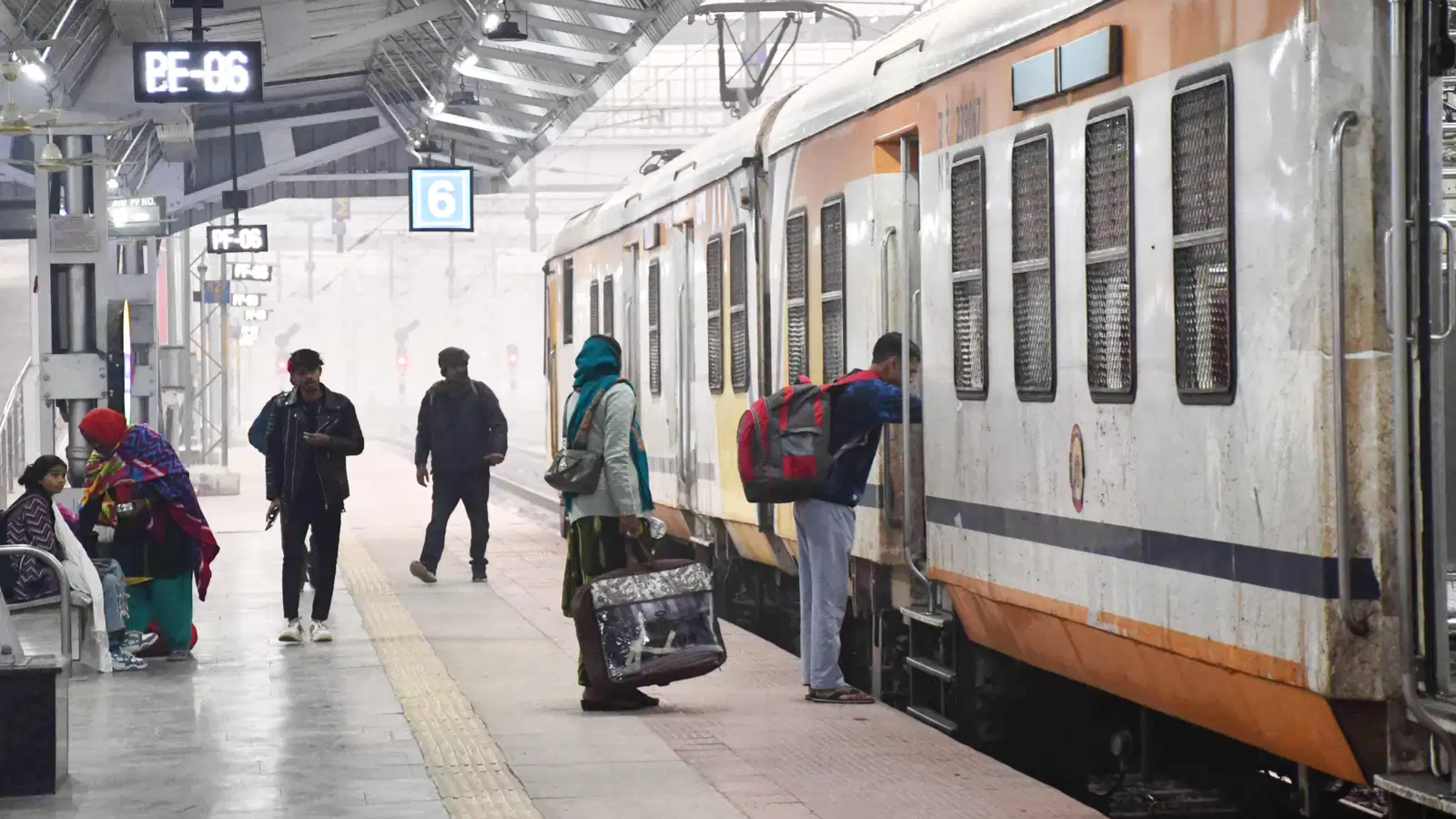
With widespread IndiGo and other airline cancellations throwing travel into chaos, thousands of passengers turned to the railways as their last-minute options. The sudden surge made the Indian Railways to step in with emergency measures, including additional coaches, extra trips, and four special long-distance trains to clear the heavy passenger rush.
Special services to manage the rush
Starting 6 December 2025, Railways began expanding capacity across several high-demand routes. Southern Railway added coaches to 18 trains, helping restore mobility to cities such as Bengaluru, Chennai, Coimbatore and Thiruvananthapuram.
Also Read | IndiGo Crisis: What rights do you possess if your flight is postponed or cancelled?
Northern Railway boosted the Delhi sector by adding extra AC and chair car coaches to eight major trains, offering relief to passengers travelling from Punjab, Haryana, Uttarakhand and Uttar Pradesh.
Trains deployed on high-demand routes
To handle stranded flyers and urgent long-distance travel needs, Railways deployed four special trains, including:
Gorakhpur–Anand Vihar Special
New Delhi–Mumbai Central Special
New Delhi–Srinagar Vande Bharat Special
Hazrat Nizamuddin–Thiruvananthapuram Special
Many of these services operated as one-way evacuation trains designed specifically to ease pressure on key routes.
Capacity increased across multiple zones
Western Railway added 3AC and 2AC coaches on four major Mumbai–Delhi trains as the corridor witnessed severe congestion.
East Central Railway operated five additional Rajdhani trips between Rajendra Nagar and New Delhi and increased 2AC coaches to reduce load on the Patna–Delhi route.
East Coast, Eastern and Northeast Frontier Railways also expanded seats through extra AC, sleeper and special trips across Odisha, Bihar and Northeast sectors.
Why railways had to intervene?
The mass flight cancellations led to severe overcrowding at many major airports and railway stations. With passengers searching for alternatives, Railways’ rapid expansion of services ensured that thousands could travel safely without long delays.