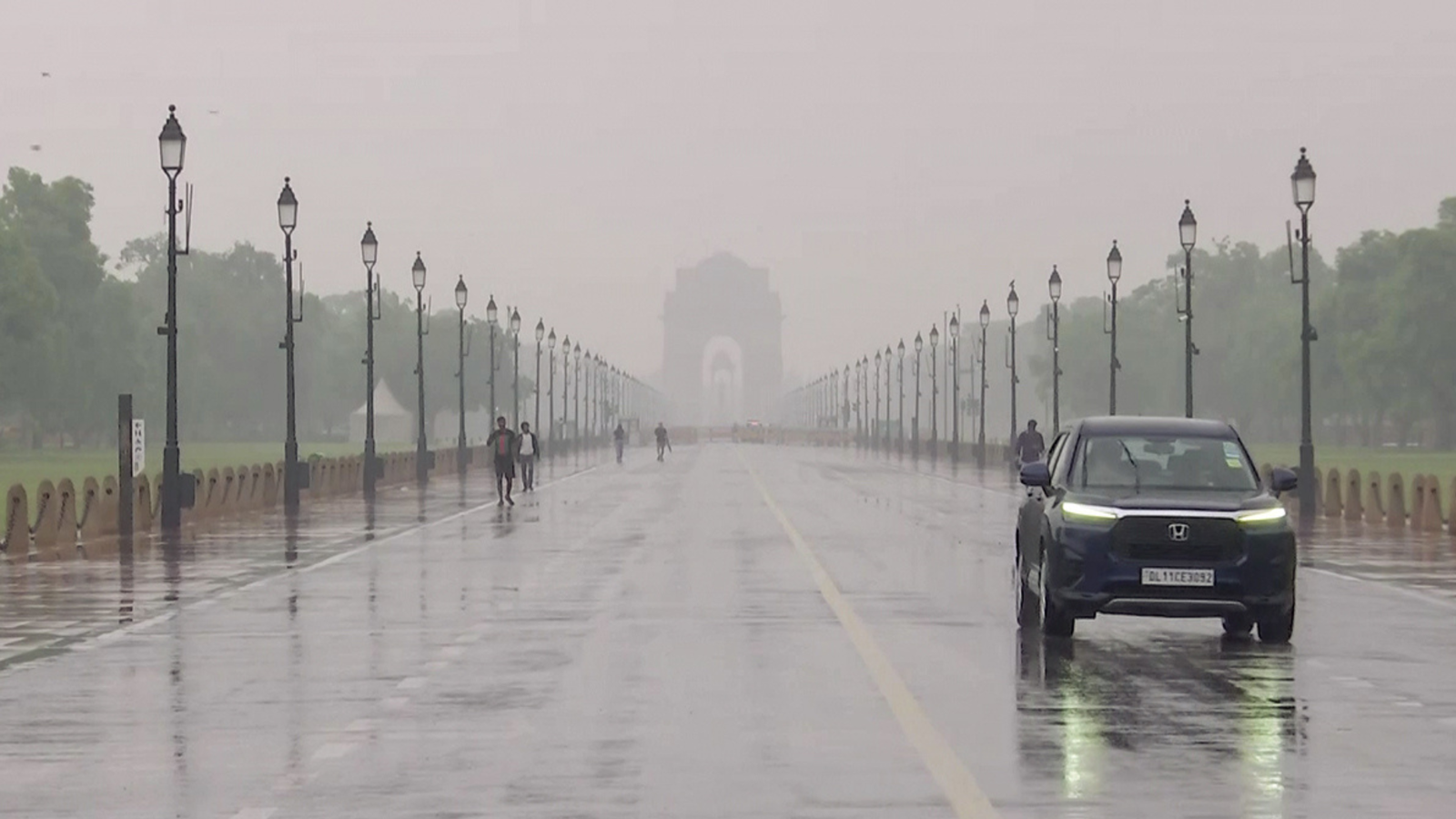
The India Meteorological Department (IMD) on Friday lowered its forecast for the 2026 southwest monsoon, warning that rainfall is likely to remain below normal across much of the country while heatwave conditions intensify in several regions during June.
The weather agency now expects monsoon rainfall during the June-September season to be 90% of the long-period average (LPA), with a model error margin of ±4%. This marks a downward revision from the 92% forecast issued in April.
According to IMD, there is a 60% probability that the country could experience a deficient monsoon, defined as rainfall below 90% of the LPA. The agency has assigned only a 14% probability to a normal monsoon and virtually ruled out the possibility of excess rainfall this season.
Also Read | Who is Harsh Malhotra? BJP’s new Delhi chief and Union minister with deep roots in city politics
The downgrade comes amid growing concerns over developing El Niño conditions in the Pacific Ocean, which are often associated with weaker monsoons and higher temperatures across India.
Agriculture sector likely to feel the impact
The forecast is particularly significant for India's agriculture sector, which remains heavily dependent on monsoon rainfall.
IMD said rainfall over the Monsoon Core Zone (MCZ) — covering large parts of the country's rain-fed agricultural regions — is also expected to remain below normal at less than 94% of the LPA.
The weather department expects below-normal rainfall across Central India, South Peninsular India and Northwest India, while Northeast India is likely to receive near-normal rainfall.
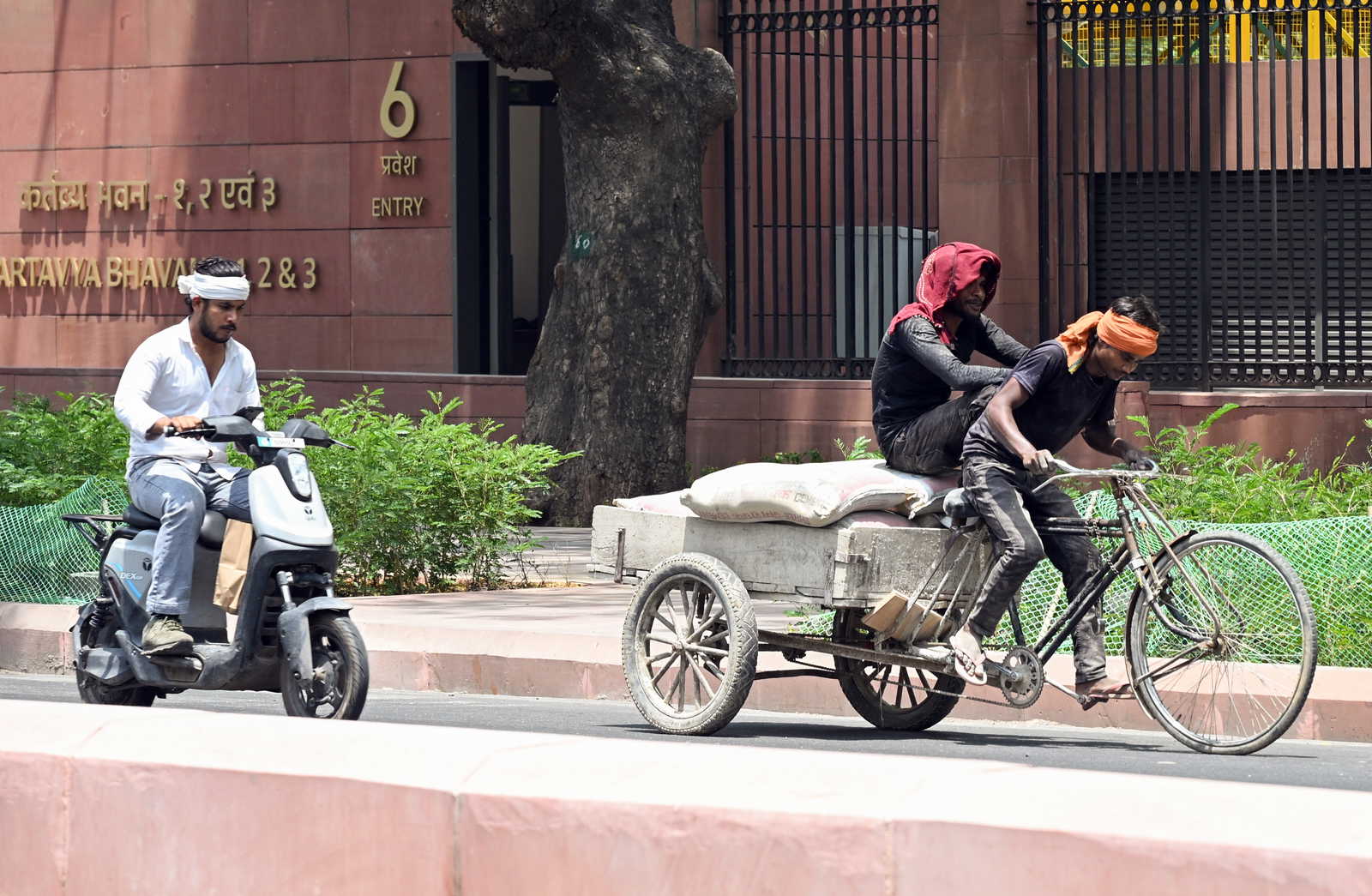 People cover their head amid extreme heat as they make their way, in New Delhi ANI
Officials cautioned that reduced rainfall could affect crop production, water availability, hydropower generation and drinking water supplies while increasing drought and heat stress risks.
Speaking on the forecast, M Ravichandran, secretary in the Ministry of Earth Sciences, said the revised projection takes into account both rainfall quantity and evolving climate conditions.
Monsoon onset over Kerala delayed
The southwest monsoon has also failed to arrive in Kerala within the expected timeframe.
While IMD had earlier projected an onset around May 26, the latest extended-range forecast indicates largely dry conditions over Kerala between May 28 and June 4, with only limited improvement expected during the following week.
According to IMD, a developing typhoon over the western Pacific is drawing moisture away from the Arabian Sea and Bay of Bengal, while a cyclonic circulation near Lakshadweep is limiting rainfall activity over Kerala.
Officials now expect rainfall activity to strengthen after June 11.
IMD warns of hotter June
Alongside the rainfall outlook, IMD has also warned that June is likely to be significantly hotter than usual across several parts of the country.
Above-normal heatwave days are expected in parts of Uttar Pradesh, Haryana, Punjab, Bihar, Odisha, Chhattisgarh, Gujarat and Andhra Pradesh, along with isolated regions of Maharashtra, Telangana, Himachal Pradesh and Tamil Nadu.
M Mohapatra, Director General of IMD, said some of these regions could experience five to six heatwave days during June, compared with the usual average of around three days.
Also Read | Government weighs Indian Air Force role in secure transport of NEET-UG re-test papers
The weather agency warned that prolonged high temperatures may affect public health, water resources, electricity demand and essential services. Vulnerable groups, including children, elderly citizens, outdoor workers and people with pre-existing health conditions, are expected to face the greatest risks.
State governments and local administrations have been advised to ensure the availability of drinking water, cooling shelters and emergency health services as part of heatwave preparedness measures.
As India enters the crucial monsoon season, both farmers and policymakers will be closely watching rainfall patterns and the evolution of El Niño conditions, which could have significant implications for agriculture, water management and the broader economy.