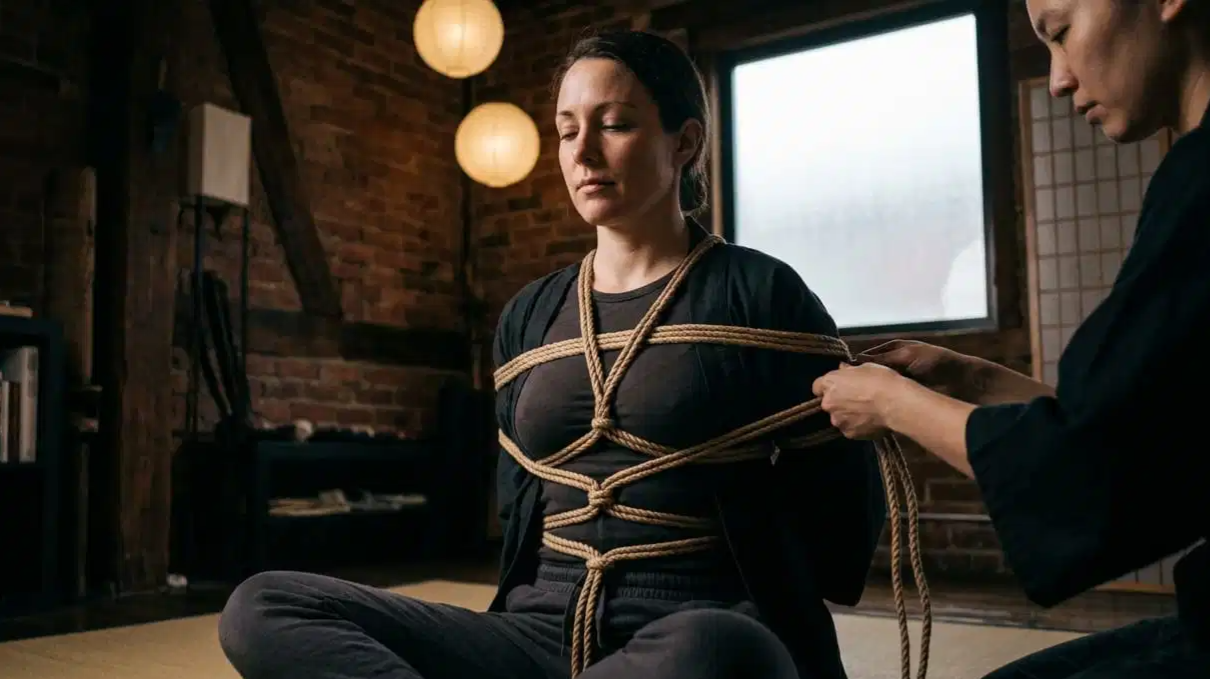
An act that once used to be seen as a rather niche form of BDSM activity is now becoming part of wider discussions regarding issues such as intimacy, trust, and emotional connection.
A Japanese form of rope bondage called shibari, which has been making its way through social media sites, is being described by couples as not just a fetishistic form of sexual intercourse but as a method of communication.
It is believed by those who practice shibari that this act, which involves the use of ropes, may actually help to increase trust and facilitate better emotional connections.
Also Read | Why pregnant women often experience more sexual dreams at night
More than a sexual practice
Shibari, which roughly translates to “to tie” or “to bind,” involves one partner tying another using carefully structured rope techniques.
While often associated with BDSM culture, many educators argue the practice is not inherently sexual. Sara Landa, founder of Shibari Academy, described the practice as “conversation without words” while speaking to the New York Post.
According to Landa, practitioners learn to read breathing patterns, posture changes and physical tension during sessions, turning the experience into a form of non-verbal communication. She argued that the growing mainstream interest in shibari reflects wider cultural shifts around emotional openness and destigmatising discussions around desire and intimacy.
Couples say communication becomes unavoidable
In fact, several of the couples who were interviewed said that shibari was an emotionally exposing act rather than an erotic one. For instance, Richard and Kate, who started learning the art of shibari cautiously before they took a liking to it, stated that they ended up having their mode of communication in their relationship revolutionised because of it.
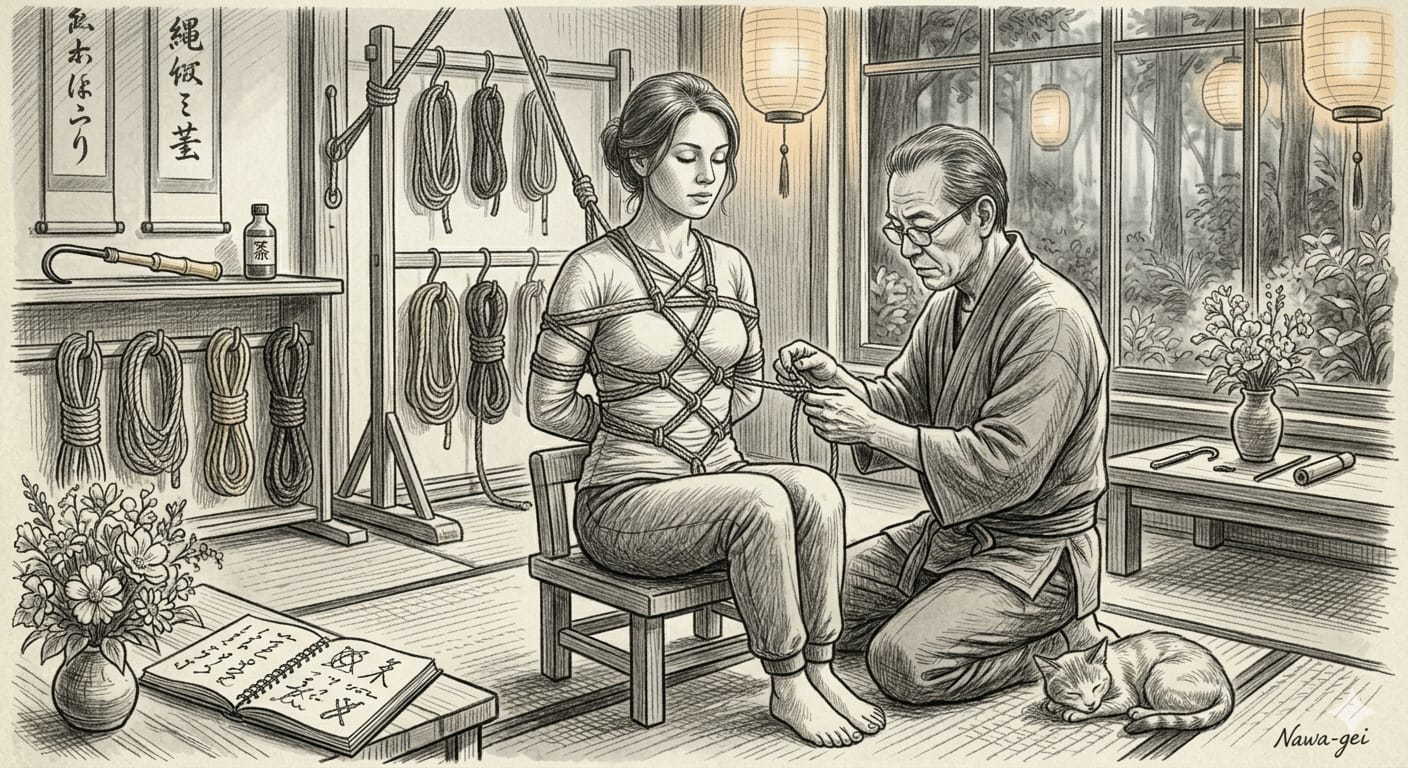 AI Generated
 Richard explained that their practice of shibari became what he called a “superpower of their couple” where they learned how to communicate with each other through expressing discomfort and needing assistance. Kate mentioned that this practice transformed their relationship from being “paternalistic” to being balanced.
Tessa and Yasmin, another couple, stated that practicing shibari made them open up to each other and discuss things that neither of them expected at the start of the practice. This happened after they discovered the ropes art on video tutorials.
Why experts say trust is central
Relationship educators say practices like shibari rely heavily on consent, boundaries and communication before any physical interaction begins. Landa noted that both partners must discuss expectations clearly before a session starts, especially because one person temporarily surrenders physical control while the other assumes responsibility for safety and care.
Experts say that structure can sometimes strengthen emotional intimacy because both partners are required to stay highly present and responsive throughout the experience. However, Landa also warned that unresolved relationship problems can become amplified during rope sessions.
Also Read | Why straight male authors are struggling to write about sex again
“Expectations or unresolved tensions can surface during a session,” she told the publication. According to educators, practices involving vulnerability and trust often expose existing communication gaps rather than creating new ones.
A broader shift in intimacy culture
Increased interest in shibari is also indicative of discussions surrounding feelings of loneliness and contemporary relationships and intimacy. According to experts, young couples prefer experiences which are interactive and communicate through emotions rather than following the usual pattern of relationships.
There has been an increased number of searches on Google for phrases like "emotional intimacy" and "relationship boundaries," along with general discussions about mental well-being and connection.
The attraction towards shibari seems to be more about the sense of trust involved rather than seeking something shocking. The qualities that one has to possess while performing shibari, namely, communication, focus, responsibility, and consent, seem to come handy in everyday interactions as well.