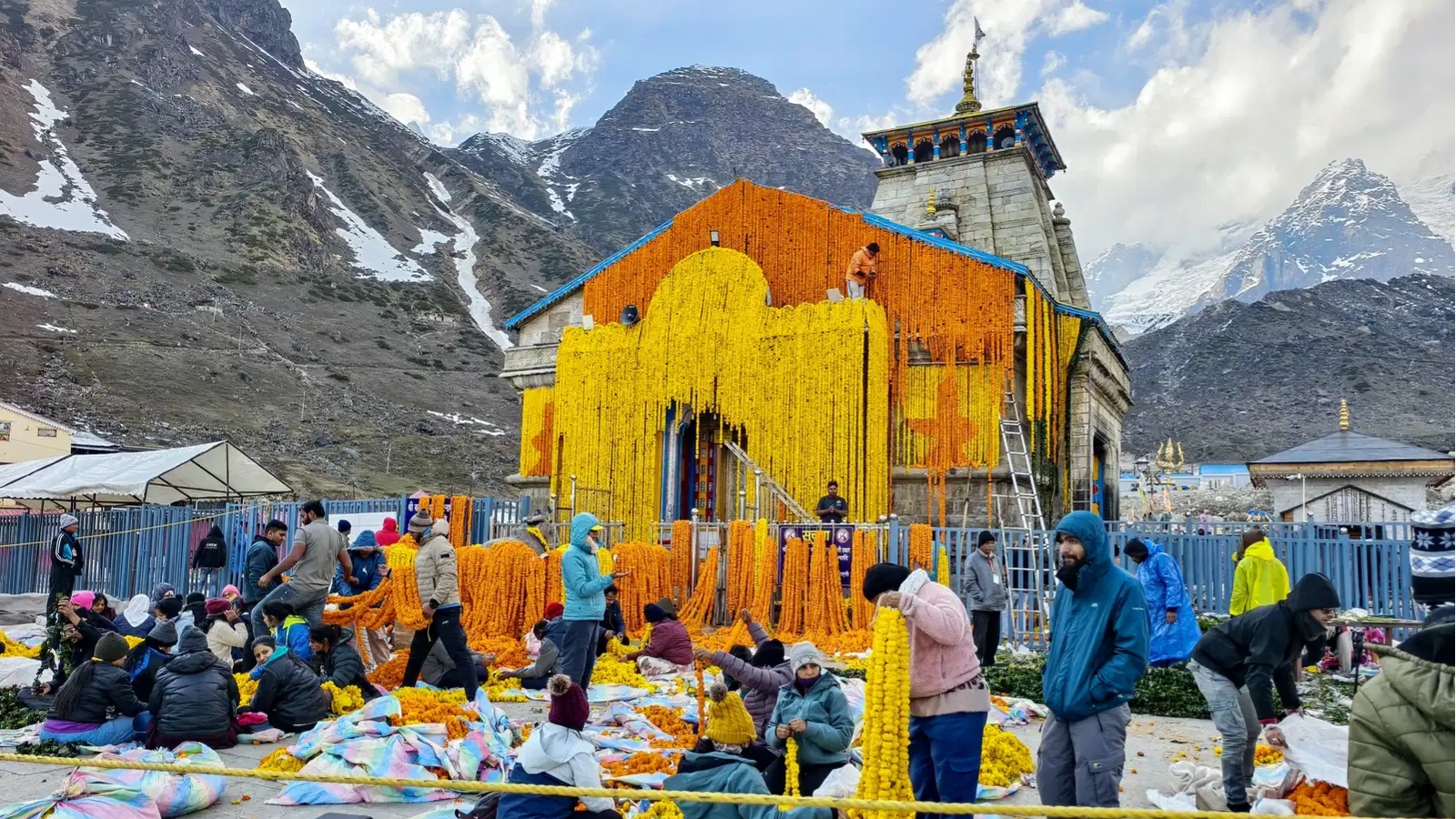
Authorities have introduced stricter rules ahead of the annual pilgrimage to Kedarnath Temple, including a complete ban on mobile phones inside the temple premises.
The move is aimed at maintaining the sanctity of the shrine and ensuring a smooth experience for the large number of devotees expected during the Kedarnath Yatra.
Mobile phones banned inside temple
A member of the temple committee, Vineet Posti, said the decision was taken keeping in mind both religious sentiments and crowd management needs, per NDTV. Devotees will not be allowed to carry mobile phones inside the temple complex, and activities such as photography, videography or making social media reels have been strictly prohibited.
Also Read | IMD issues nationwide alert—but which states will face the worst impact?
He added that violations would invite legal action. The committee has urged pilgrims to adhere to the rules and maintain decorum so that everyone can have a peaceful darshan.
Traffic plan rolled out in Rudraprayag
Alongside temple restrictions, the administration in Rudraprayag has prepared a detailed traffic management plan. The measures are designed to regulate vehicular movement and prevent congestion along the yatra route.
Officials said arrangements are being strengthened across national highways and connecting roads, anticipating heavy footfall. Police personnel will be stationed at key points to manage traffic and ensure a steady flow of vehicles.
Structured zones and mobile teams
Niharika Tomar, Superintendent of Police, outlined the framework of the plan.
"A detailed traffic plan has been formulated for the yatra in the district. Coordination has been established with nearby districts. The traffic system has been divided into two super zones and 11 sectors. Additionally, 13 mobile force teams have been constituted. A diversion plan will also be implemented in case of increased traffic pressure," she told ANI.
Officials said dividing the district into zones and sectors would help improve monitoring and allow quicker responses to traffic issues. Mobile teams have been deployed to handle real-time situations, particularly during peak hours.
Parking and safety measures
To ease congestion, the administration has also arranged permanent and temporary parking facilities along the pilgrimage corridor. These steps are expected to reduce pressure on roads and minimise bottlenecks.
Also Read | What is Section 301? India to face heat as US trade talks resume
The broader aim of these measures is to ensure that the pilgrimage remains safe, orderly and convenient for all visitors, as authorities prepare for a significant influx of devotees in the coming weeks.