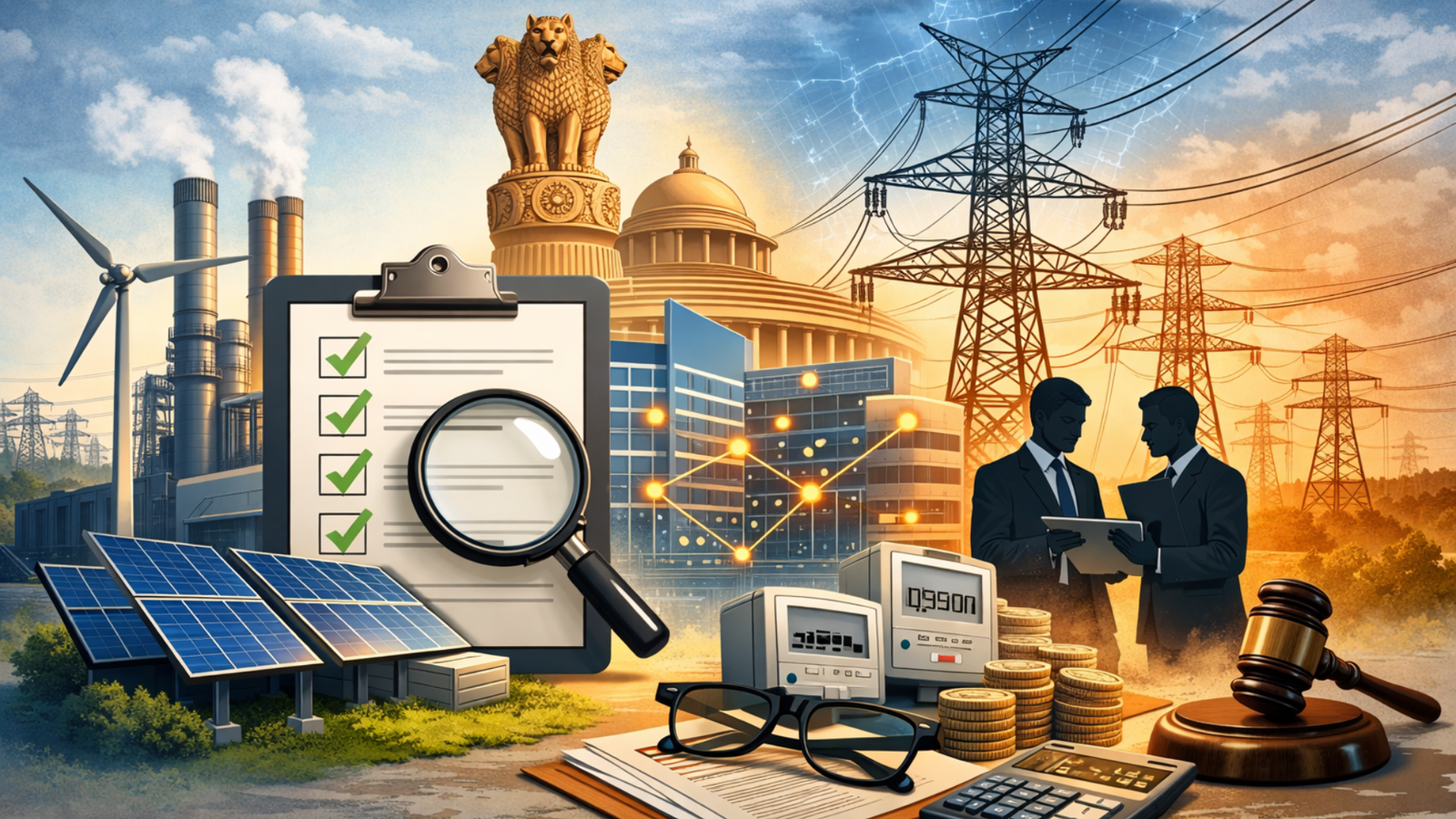
Electricity consumers in Delhi could soon feel the pinch as a key tribunal decision has cleared the way for faster recovery of long-pending dues. The Appellate Tribunal for Electricity has rejected a plea by the Delhi Electricity Regulatory Commission to defer recovery of nearly Rs 30,000 crore. This effectively means that the financial burden, which had been building up over the years, will now have to be addressed within the existing framework, increasing the likelihood of higher tariffs or additional surcharges for consumers.
Why dues have piled up over the years
According to NDTV, the root of the issue lies in the accumulation of what are known as regulatory assets, which are essentially costs that power distribution companies were permitted to recover at a later stage. In Delhi, these dues have ballooned to over Rs 38,000 crore due to the absence of significant tariff revisions for nearly a decade, even as operational and procurement costs continued to rise. The delay in recovery also led to interest accumulation, further inflating the total liability. While keeping tariffs low offered short-term relief to consumers, it created a financial imbalance that now needs to be corrected.
Also Read | South Korea’s President in India: What’s on agenda as Lee meets PM Modi
Impact on consumers and possible outcomes
With the tribunal refusing to grant more time, authorities will now have limited options to manage the situation. The recovery could happen through a combination of tariff hikes, government subsidies, or the imposition of surcharges on electricity bills over a period of time. Experts suggest that while the increase may not be immediate or uniform, consumers are likely to see a gradual rise in their monthly expenses. The extent of the impact will depend on how the regulator and the government decide to distribute the burden between consumers and state support.
Also Read | Delhi plans seamless digital property registry to eliminate paperwork
Balancing affordability and financial stability
The development highlights the ongoing challenge of balancing affordable electricity with the financial health of power distribution companies. Regulators have to ensure that discoms remain viable while also protecting consumers from sharp price shocks. The tribunal’s decision has effectively narrowed the room for delay, pushing policymakers to take decisive action. Going forward, a more consistent approach to tariff revisions may be necessary to prevent such large accumulations in the future and to maintain stability in the power sector.