
Conversations today often feel less like exchanges and more like performances. While one person speaks, the other is already preparing their next story. The space for listening quietly, without interruption, is shrinking. In a world driven by constant sharing and self-expression, many people are unintentionally placing themselves at the center of every interaction. Psychologists now describe this growing pattern as Main Character Syndrome (MCS), a behavior where individuals begin to see life not as a shared experience, but as a story where they alone take the lead.
What is Main Character Syndrome?
 (Representational Image) When every story starts and ends with “me” AI Generated
 In simple terms, Main Character Syndrome emerges when a person begins to see life as a story that revolves entirely around them, with everyone else fading into the background. Experts point out that it is not a mental illness. Still, some of its traits can mirror those associated with ‘Narcissistic Personality Disorder’. People with this tendency often place their own emotions, experiences, and perspectives at the forefront of every situation. Over time, this focus on the self can make it harder for them to truly listen, understand, or empathise with others.
Also Read | What is tyromancy? Meet the ‘cheese witch’ reading futures through cheddar and brie
How to identify people affected by 'Main Character Syndrome'?
Experts say this behaviour rarely appears randomly and often follows a clear pattern. Such individuals tend to crave attention and feel most comfortable when they are at the centre of focus. Even in discussions about others, they often steer the conversation back to their own experiences. If their views are questioned or they feel overlooked, they may take it personally and react sharply. Another noticeable trait is their tendency to downplay others’ concerns. In many cases, they also feel compelled to establish their opinion as the only valid or correct one.
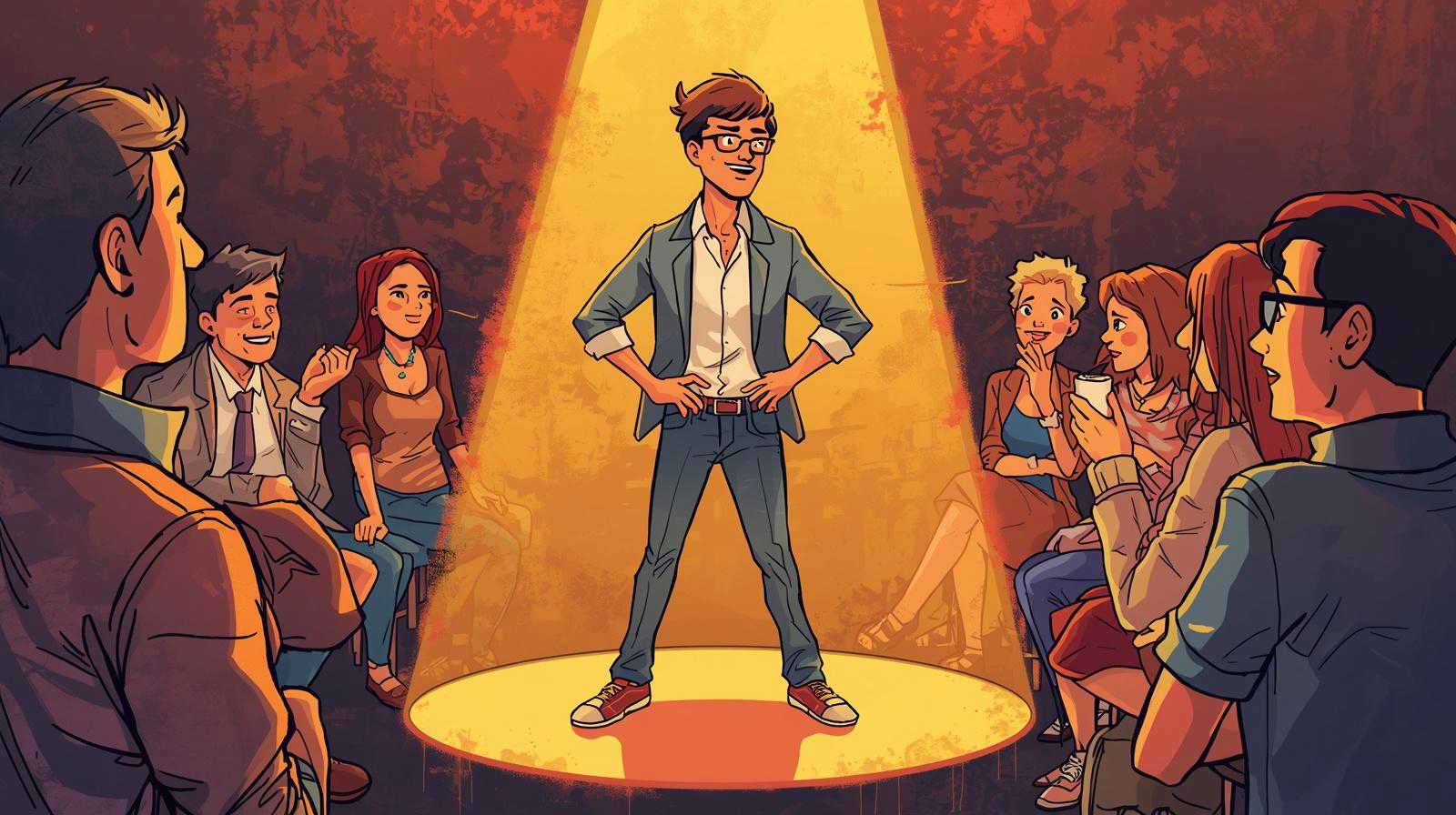 (Representational Image) Not every moment needs a main character AI Generated
 Impact on relationships and work
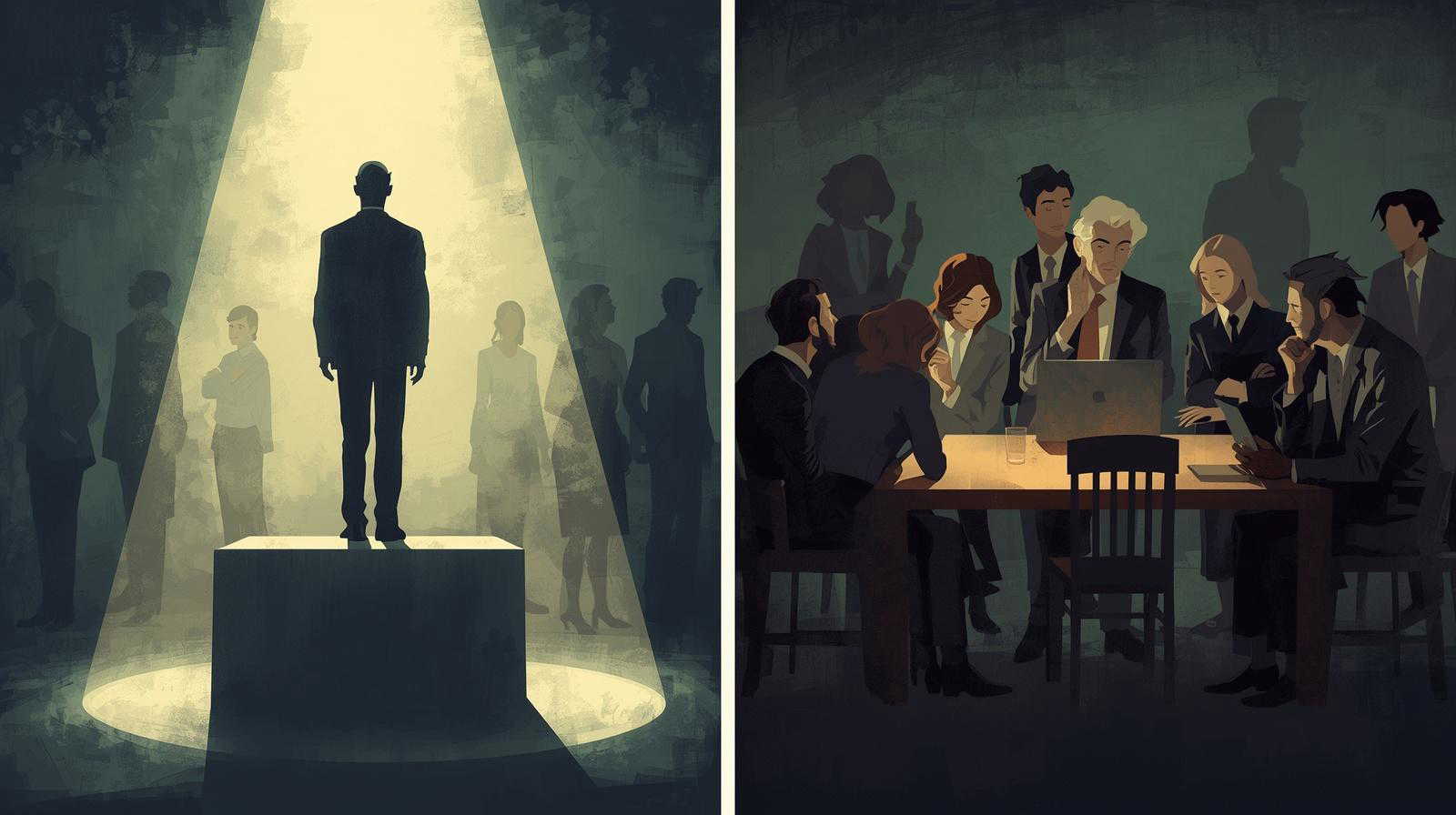 (Representational Image) When ‘I’ becomes bigger than ‘we’ AI Generated
 With time, this behaviour can begin to affect both personal and professional bonds. In workplaces, such individuals may attempt to claim credit for collective efforts and feel uncomfortable when others are recognised. This often creates friction among colleagues. The same pattern can spill into friendships and family dynamics. When one person repeatedly dominates conversations or ignores others’ emotions, it gradually leads to irritation, misunderstandings, and emotional distance.
Why this tendency is growing?
Experts link the rise of such behavior to the influence of social media. Platforms filled with reels, blogs, and viral content encourage constant self-presentation. In some cases, people even make others uncomfortable while creating content in public spaces. The pressure to appear important or interesting can slowly shift focus away from meaningful connections, reducing empathy over time.
Also Read | Can meditation change the way you react to people and stress? Here’s what an expert says
How to address the problem
According to psychologists, change begins with self-awareness. Asking simple questions at the end of the day can help, such as, “Did I listen to anyone else attentively today?”, “Did I turn all conversations toward myself?”, and “Am I really giving importance to others’ feelings?” Reducing time spent on social media may also help rebalance perspective. Spending more time with family and friends, actively listening, and acknowledging mistakes can gradually improve behavior. In some cases, professional counseling may be necessary.
Can AI help?
 Can AI provide any help?
Experts suggest that AI tools like ChatGPT or Gemini can act as informal guides. For those hesitant to open up to others, these platforms can offer suggestions on becoming more mindful, patient, and respectful in interactions.
Being the hero of one’s own life is not a problem. Confidence and ambition are essential. The issue begins when someone assumes they must be the main character in every situation. Recognizing this difference is the first step toward healthier, more balanced relationships.