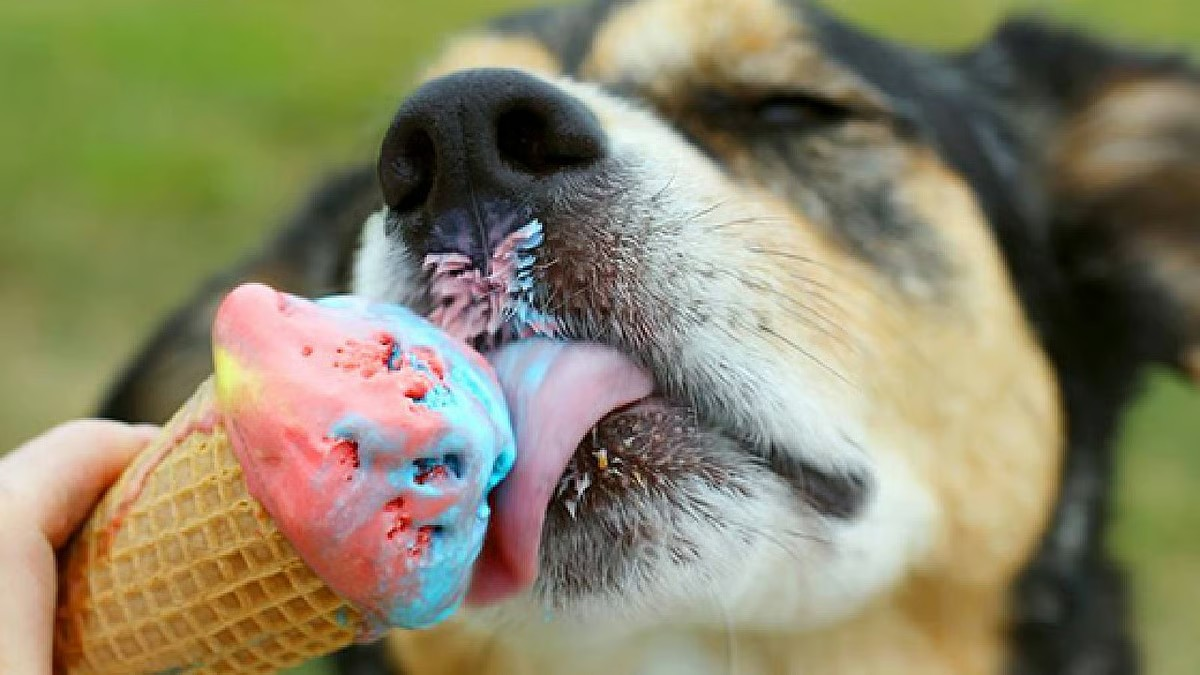
Whatever else your pet has or has not learned, one thing it definitely knows is the fridge. If somebody, for whatever reason, opens it, there it is in an instant. The reason for that is that it knows inside are its favourite treats. At times, it is allowed to have a little sweet, some ice cream, or similar treats.
However, veterinarians warn that though pets may love sugary foods, they are unhealthy for them. Food items like cakes, biscuits, or cookies should not be regularly given to the pets. Just as excess sugar creates health problems in humans, it similarly affects pets.
Also Read | Annoyed by monkeys? Try these eight proven methods to keep them away
What are the complications?
Digestive problems:
Pets cannot digest a lot of sweets. Their digestive systems are not strong enough to do it, unlike ours. Regular consumption of sugary food can lead to vomiting, diarrhoea, gas, or bloating.
Weight gain:
Similar to humans, too many sweets can result in abnormal weight gain in pets. Overweight pets are more susceptible to heart problems, diabetes, and arthritis.
Dental problems:
Cavities are possible with dogs, too. Too many sweets can destroy the tooth enamel of a dog. If the teeth are not brushed regularly after meals, the problem could become serious.
Diabetes:
Too much sugar can damage the pancreas of pets, increasing the risk for diabetes mellitus; this interferes with the normal bodily process because of disrupted insulin functions.
Also Read | Leaving your dog behind this winter? Here’s how to prepare for stress-free care
Pancreatitis:
Excess sugar and fat are extremely bad for the pancreas. If fed regularly, it can cause inflammation. It takes a long while to recover from it.
Weakened immunity:
Excessive sugar consumption reduces the number of good bacteria in the gut. With time, this weakens the immune system of the pet, making them more prone to infections.
Liver problems:
The liver is responsible for metabolism and detoxification. Excess sugar puts a strain on the liver, leading to inflammation. Over time, pets may even develop fatty liver disease.