
From diabetes to cancer, unhealthy eating habits are responsible for thousands of such lifestyle diseases. From doctors to nutritionists, everyone is now emphasizing home-cooked food. People are also much more conscious now. They are trying to eat foods that are more nutritious. But many times, even after eating adequate food, the body still lacks vitamins and minerals. Then, even unwillingly, one has to take the help of supplements. So, can supplements be an alternative to food?
According to nutritionists, foods like fruits, vegetables, nuts, and whole grains are much more beneficial than supplements. They contain various nutrients including vitamin C, iron, and zinc. Food fulfills multiple nutritional deficiencies in the body. For example, 100 grams of amla contains about 600 milligrams of vitamin C.
Also Read | Aries & Taurus weekly horoscope: Financial gains and career stability
How can you get 100% vitamin C?
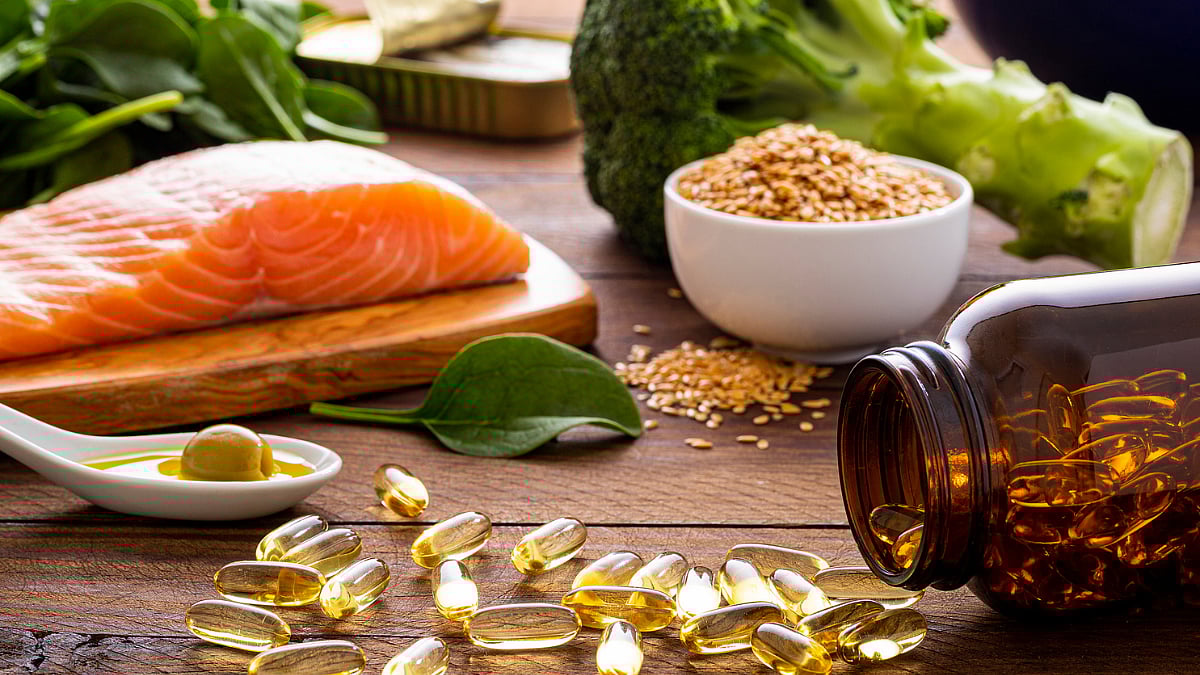
The vitamin C in amla doesn't get destroyed even when boiled for 80 minutes. So even eating dried amla provides vitamin C to the body. Besides, the phytonutrients in it are beneficial for digestive system and liver health. It helps control blood sugar levels while maintaining hemoglobin levels. Taking vitamin C supplements doesn't provide so many benefits. But eating food does.
Do foods only fulfill nutritional deficiencies?
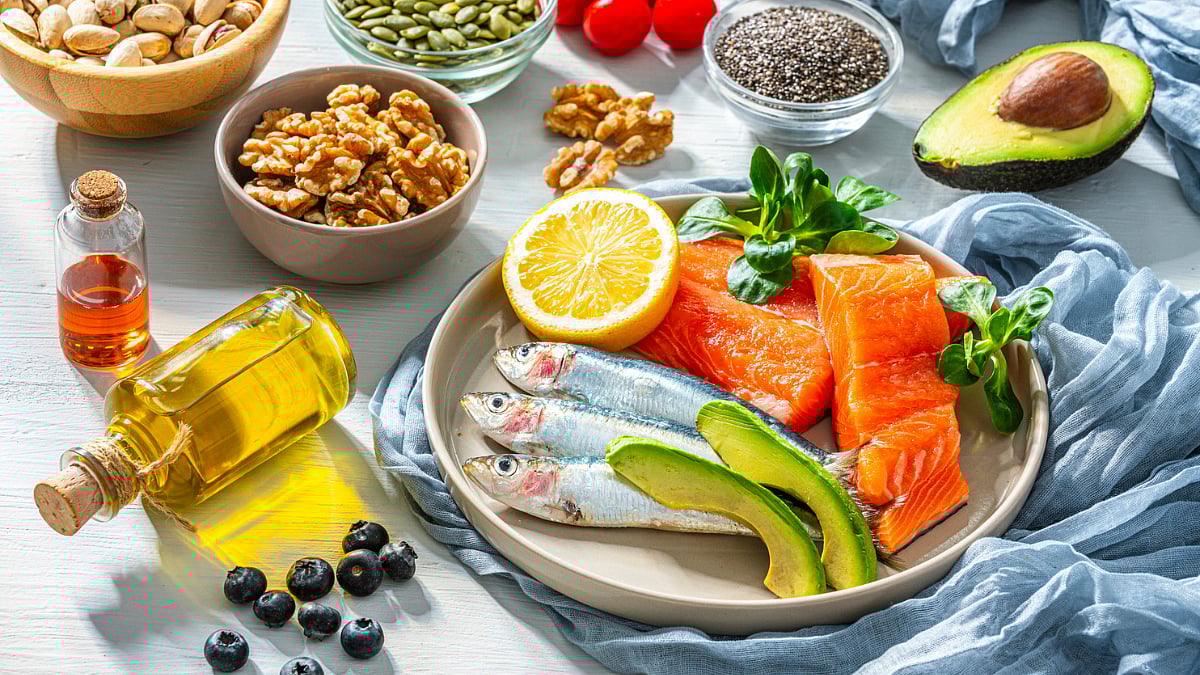
Fruits and vegetables contain phytonutrients and antioxidants. They reduce the risk of multiple diseases. Besides, food provides energy for the body to function. It prevents the risk of multiple diseases like cancer, heart disease, and type-2 diabetes. Therefore, it's not possible to rely only on supplements without eating food. Supplements only fulfill specific nutritional deficiencies.
When are supplements useful?

Various types of nutritional supplements are available, including vitamins, minerals, amino acids, proteins, or probiotics. With the help of supplements, it's possible to fulfill that specific nutritional deficiency in the body. But supplements don't help improve overall health.
For whom can supplements be beneficial?

Usually, doctors advise women to take vitamin D supplements. Because most women have a deficiency of this nutrient in their bodies, and it's not possible to fulfill vitamin D deficiency by eating regular food.
Besides, doctors advise taking multivitamin or mineral supplements to recover from any physical illness.
Also Read | Gemini & Cancer weekly horoscope: Decisions, delays and growth opportunities
Elderly people who cannot eat solid food, or when nutritional deficiencies don't get fulfilled with age, are also advised to take multivitamins.
Should supplements be taken without a doctor's advice?
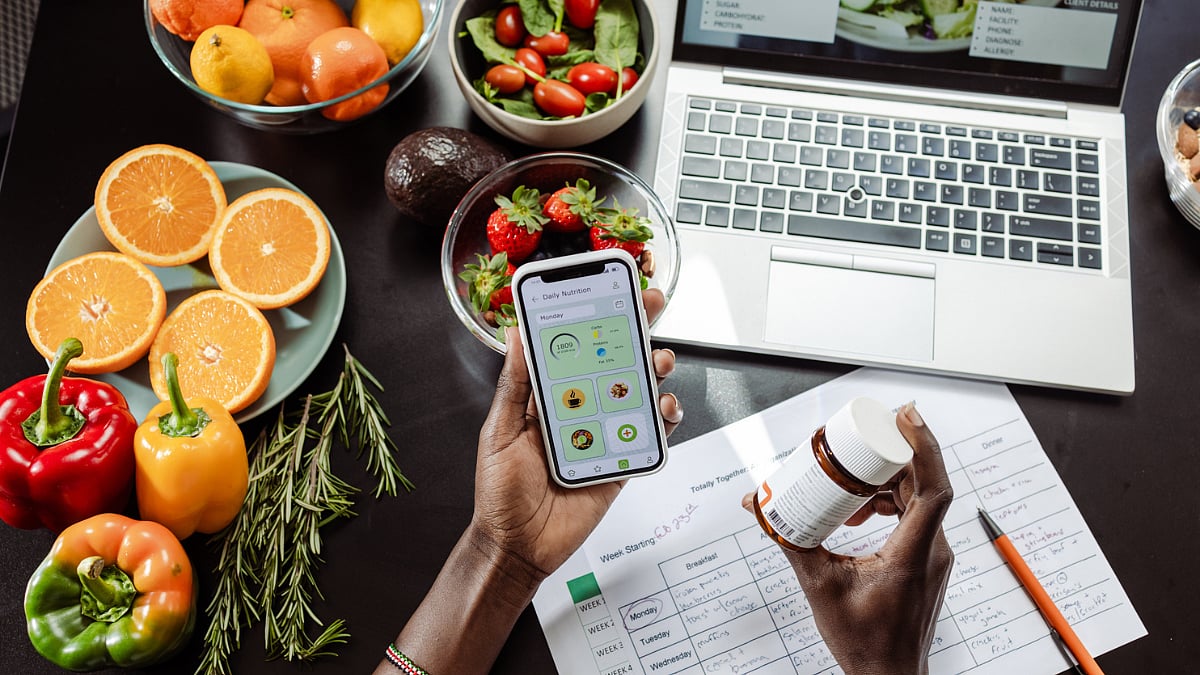
Supplements should not be taken without a doctor's advice. You need to know which nutrients your body lacks and how many milligrams of multivitamins you should take for that. Taking supplements without advice can have adverse effects. Besides, if nutritional deficiencies can be fulfilled through food, then there's no need to take supplements at all.
Can supplements be an alternative to healthy food?

Supplements are never an alternative to healthy food. Those who cannot eat adequate nutritious food or have digestive problems can take supplements with a doctor's advice. Sometimes it becomes necessary to take supplements along with eating food. So if you're thinking of taking supplements, definitely consult a doctor.