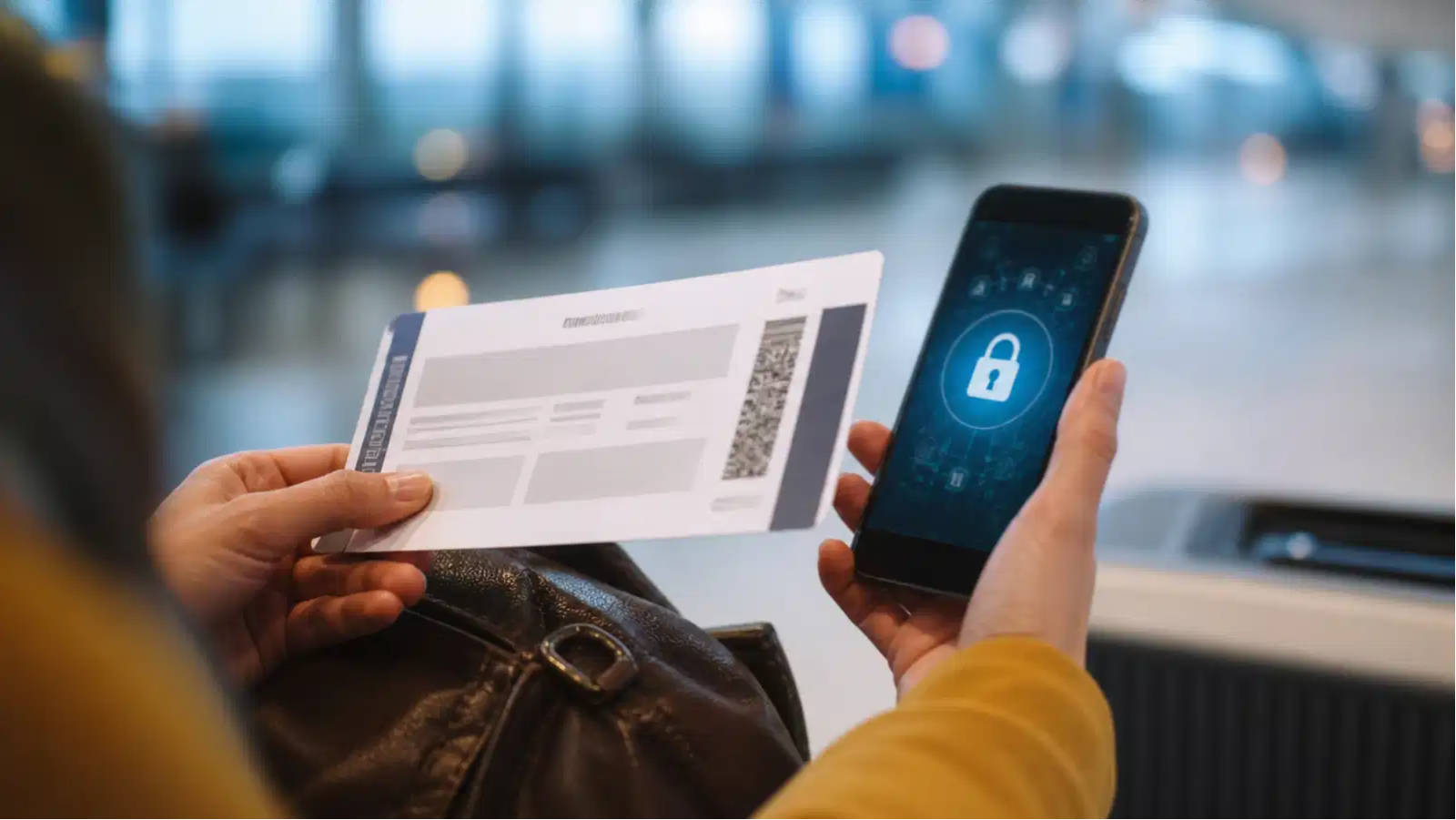
Posting a boarding pass on social media may seem like a harmless way to share travel excitement, but aviation experts warn it can expose sensitive personal data and create security risks.
What your boarding pass reveals
According to aviation expert K Anuradha Suresh quoted by The Indian Express, even a single image of a boarding pass can be enough to access key travel details. "The barcode on a boarding card follows the IATA Bar Coded Boarding Pass (BCBP) standard and can contain key travel data, including passenger name, PNR, flight details, seat number and sometimes even frequent flyer information.
With just the PNR and surname, portions of a booking can often be accessed online. That opens the door to itinerary visibility, seat changes, cancellation of segments, mileage misuse or targeted phishing attempts," she said, per The Indian Express.
Also Read | Which city is called India’s ‘Denmark’? Inside a forgotten European outpost in India
The barcode or QR code is not random. "It is encoded using the BCBP (Bar Coded Boarding Pass) standard, which can be easily decoded by anyone with a free smartphone app," she added.
Data that can be accessed
A decoded boarding pass can reveal multiple details. These may include your full name, PNR (Passenger Name Record), frequent flyer number, and even linked contact information.
Such data can be enough for someone to access airline booking systems.
Risks of flight manipulation
With basic details like surname and PNR, a person could log into the airline's "Manage My Booking" portal. This can lead to several disruptions.
They may change or cancel seat assignments, alter meal preferences, or even cancel segments of the journey. "There have been documented cases of strangers cancelling someone’s return leg after seeing their boarding pass on TikTok or Instagram," said Anuradha.
Identity and privacy concerns
Beyond travel disruption, there are risks of identity misuse. Access to booking details may reveal partial payment information, passport details, or full itineraries, including travel dates and destinations.
This information can be used for phishing attempts or account misuse.
Sharing a boarding pass online can also signal when you are away from home. Travel dates and return details may indicate how long a residence is unoccupied, creating potential risks.
How to stay safe
If sharing travel photos, experts advise taking precautions. Covering the barcode completely, hiding the PNR, and posting images after reaching the destination can reduce risks.
She stressed that the goal is awareness, not alarm. "It is about understanding exposure. In aviation, we mitigate risk before it escalates. The same principle applies here. A simple precaution of avoiding posting boarding passes, or at the very least blurring the barcode and booking reference, can help. Security is not only the responsibility of systems. It is also about personal vigilance," elucidated Anuradha.
Also Read | 4 important visa changes Indians should know before planning their summer vacation
A final caution
Even physical boarding passes can pose risks if discarded carelessly. "Always shred your physical boarding passes after your flight instead of throwing them in the airport bin," said Anuradha.
Taking simple steps can help reduce exposure and protect personal information while travelling.