When winter settles in with its misty mornings and slow golden afternoons, our routines begin to shift. The air grows quieter, sweaters come out of trunks, and our bodies naturally crave warmth, nourishment, and immunity. This is the season of comfort- of sipping warm drinks, basking in soft sunlight, and choosing foods that protect and energise.
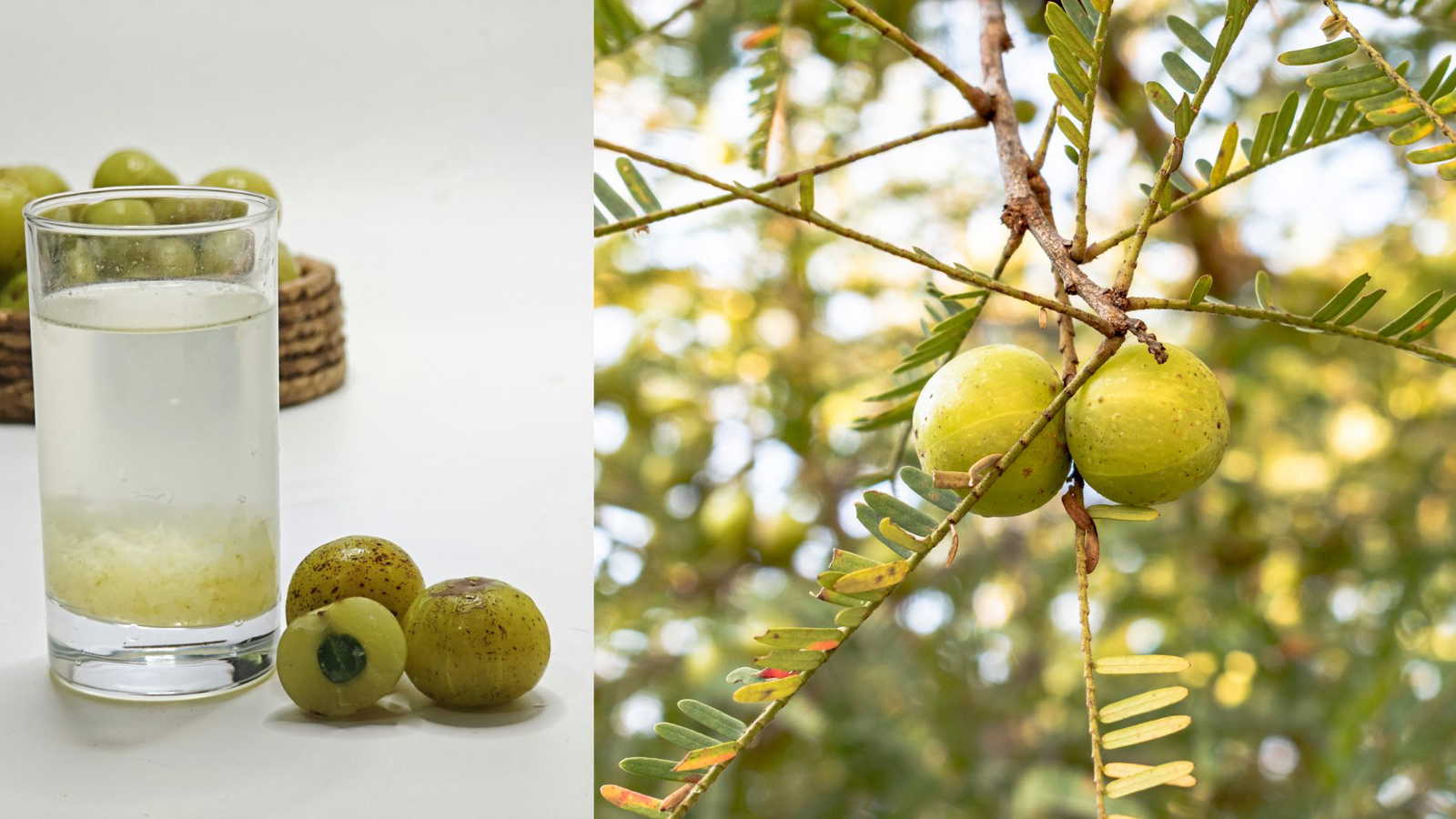
Among these seasonal companions, one tiny fruit quietly becomes a powerhouse of wellness: Amla. Eating just one fresh amla a day in winter can create a steady, nourishing rhythm for the body.
ALSO READ | HIV weakens immunity silently — doctor explains why early testing matters
Amla, or Indian gooseberry, is celebrated in Ayurveda and widely recognised in nutritional science for its dense vitamin C content. According to research published in the ‘Journal of Food Science and Technology’, amla exhibits strong antioxidant properties due to its high polyphenol and ascorbic acid levels, helping the body counter winter-induced fatigue, sluggishness, and low immunity.
Eating one amla daily in winter may offer several benefits
Boosts immunity
Its vitamin C content strengthens the body’s ability to fight seasonal infections.
Improves skin health
Winter dryness often steals moisture and glow; amla’s antioxidants support healthy collagen formation and help maintain vibrancy.
Aids digestion
The fruit supports gut health, stimulates metabolism, and helps manage bloating, which often increases during colder months due to slower digestion.
Enhances hair strength
Traditionally, amla is linked with improved hair density and reduced hair fall, a common winter concern.
ALSO READ | Eating hot, steaming roasted chicken straight from the oven: Is it harmful?
Supports heart and liver health
As noted in plant-based nutrition research, amla’s anti-inflammatory properties may contribute to better long-term cardiovascular and liver function.
Incorporating amla is simple: eat it raw, blend it into chutneys, or enjoy it as part of your morning routine. Its tangy burst cuts through the heaviness of winter foods and refreshes the palate instantly.
One amla a day in winter is a small ritual with a big impact. It aligns with the season’s need for warmth, resilience, and nourishment—helping the body stay balanced while you enjoy the quiet charm of winter days.