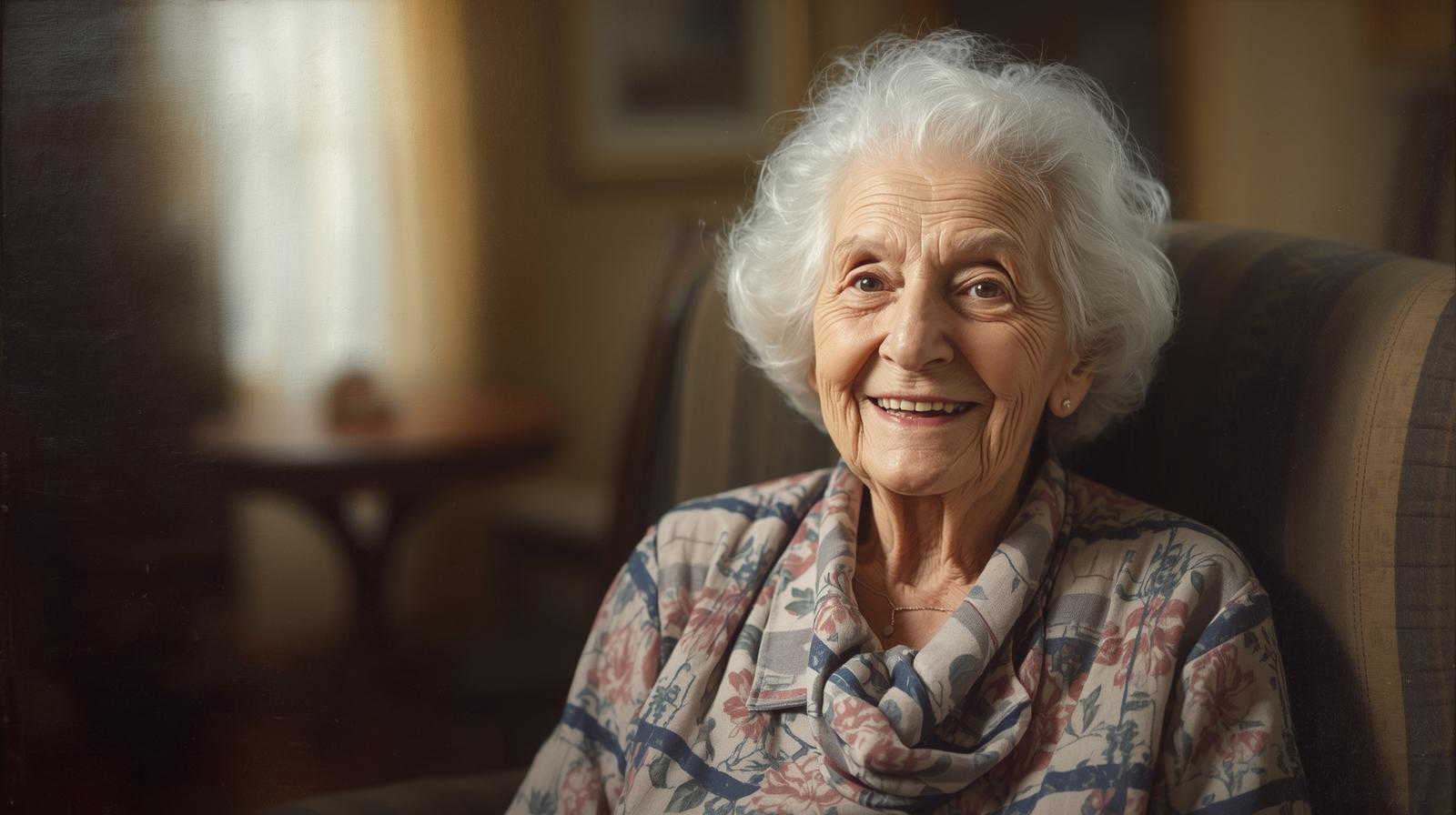
Every morning, Margaret pours a cup of tea at 11:15, opens the back door despite the chill, and stands for a moment of fresh air before starting her day. It is a little service, indeed, but she has never skipped it. Margaret is aged 100 years and single, resides alone in her red-bricked house, and she has owned this house since 1958, but she is not intending to change to any form of care facilities soon.
Her walker stays in the hallway “for visitors", she jokes. What keeps her going, she says, isn’t luck or miracle health tricks, it’s staying busy, on her own terms.
Why 'staying out of care' is a daily practice
“They keep asking when I’m going into a home,” Margaret says. “I tell them: when I can’t make my own tea.” For her, independence isn’t a slogan. It’s something she protects through routine.
Also Read | Craving sweets or salty snacks? What your food cravings say about stress, sleep and emotional health
She also gets up early on a daily basis and puts on nice clothes even when she has nowhere to go. And each evening she writes one line about what she has done and whom she has talked with that day. These are the habits that she cannot do with giving up, days that fuse into a single, long, protracted inactivity.
The care requirement in the UK is on a sharp rise after 85 and more so beyond 95. The 100-year-old can still cook simple meals, do all of her medications, and walk to the end of the street to purchase bread once a week. The little chores keep her physically and mentally active.
The quiet habits that keep her moving
Margaret starts every morning sitting on the edge of her bed, gently moving her toes, ankles and fingers. “I say hello to my body,” she says. It helps her understand how steady she feels before standing.
She has three non-negotiables: getting dressed by 9 am, walking at least to the end of the street, and speaking to one person each day. Some days that walk is short. Some days it’s just enough.
Her meals are simple porridge, soup, fruit, and she drinks water alongside her tea. On harder days, she lowers the bar: standing once an hour counts; a phone call counts.
Also Read | Who is a fictosexual? Here's why some people are falling in love with fictional characters
Adapt, don’t surrender
Margaret adjusts when her body changes. When her knees worsened, she shortened walks. When reading became difficult, she switched to large print and audiobooks. She sees new aches as negotiations, not verdicts.
Her aim isn’t to avoid ageing, nor does she want to become invisible in her own life. But, it is through the dailies, through these little decisions and movements, that Margaret still creates her days, a quiet habit at a time.