Did you miss the 'Wolf Moon' on January 3? Don’t worry, January still has plenty of celestial treats for skywatchers. NASA has highlighted some of the most exciting events that will light up the winter night sky this month.
Jupiter at opposition: A spectacular sight
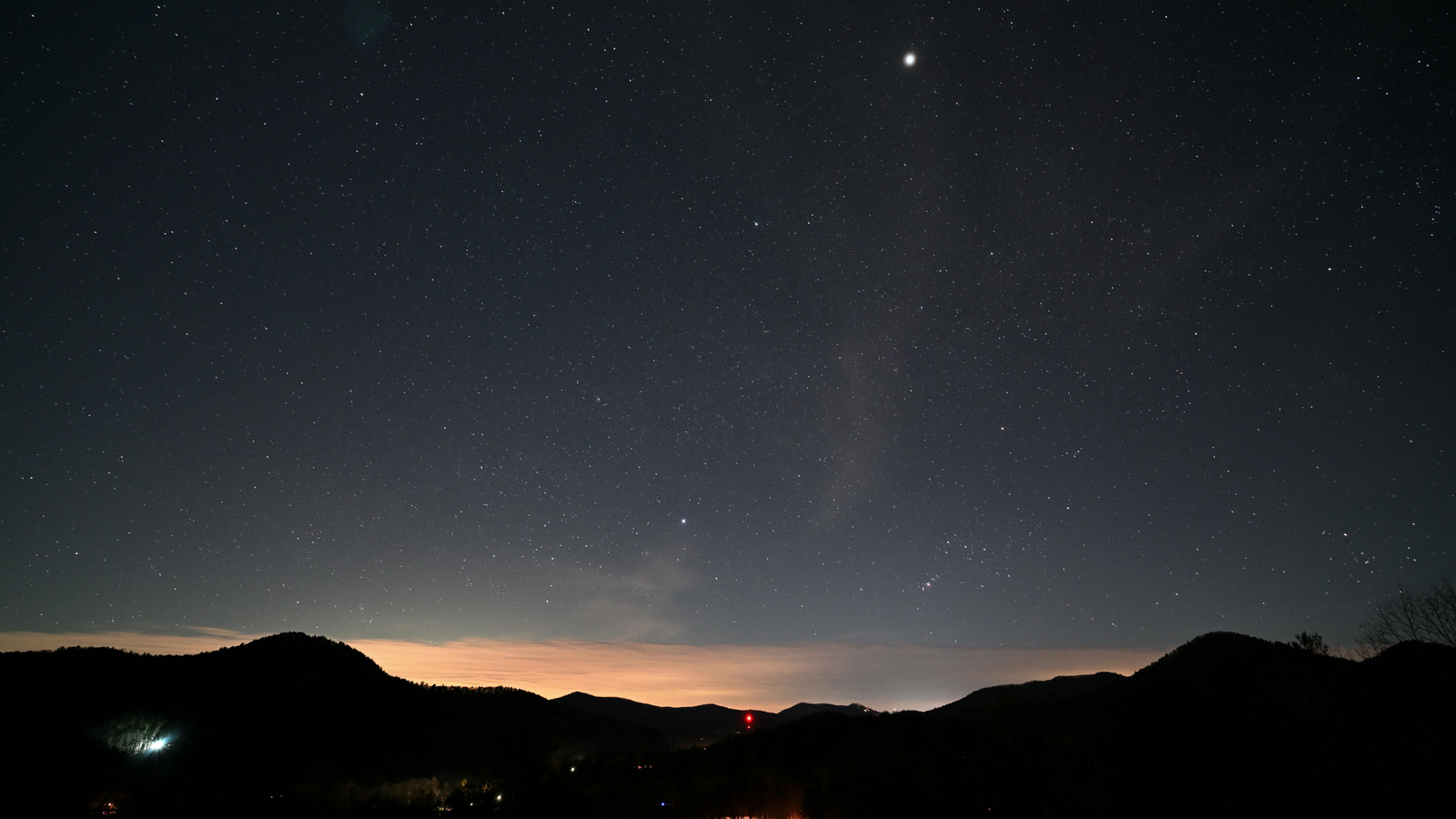
January begins with the best viewing opportunity: Jupiter’s opposition on January 10. During this alignment, Earth will be directly between Jupiter and the Sun, making the gas giant appear larger and brighter than at any other time in 2026. It will be prominent all night in the eastern sky, easily visible without a telescope. The brightness will reach magnitude -2.7, making it one of the brightest objects in the night sky, second only to the Moon and Venus. Through binoculars or a telescope, viewers can enjoy a detailed look at Jupiter’s disk, which will span 45.6 arcseconds, as well as its four largest moons: Io, Europa, Ganymede, and Callisto.
Also Read | Planning a winter getaway? These national parks offer the best wildlife experiences
When to Watch: January 10, 2026
Best time: Around midnight, when Jupiter is highest in the sky
Where to look: East, in the constellation Gemini
Saturn-moon conjunction and the Beehive Cluster
In January, there is another sight to look out for: the Saturn-Moon conjunction on January 23. Saturn will be positioned just below the Moon in the western sky after sunset. For those viewing it from clear skies during winter, it is an amazing sight to behold.
During the month, you should be able to spot the Beehive Cluster, an open star cluster located within the Cancer region. This too can be viewed without the aid of binoculars, though it would appear spectacular viewed through binoculars or a small telescope.
Also Read | Do you know which destination hosts Asia’s highest and longest gondola ride?
Why is January perfect for stargazing?
Longer nights, clearer winter skies, and predictable planetary alignments make January ideal for beginners and seasoned skywatchers alike. The colder air reduces atmospheric distortion, sharpening the appearance of stars and planets