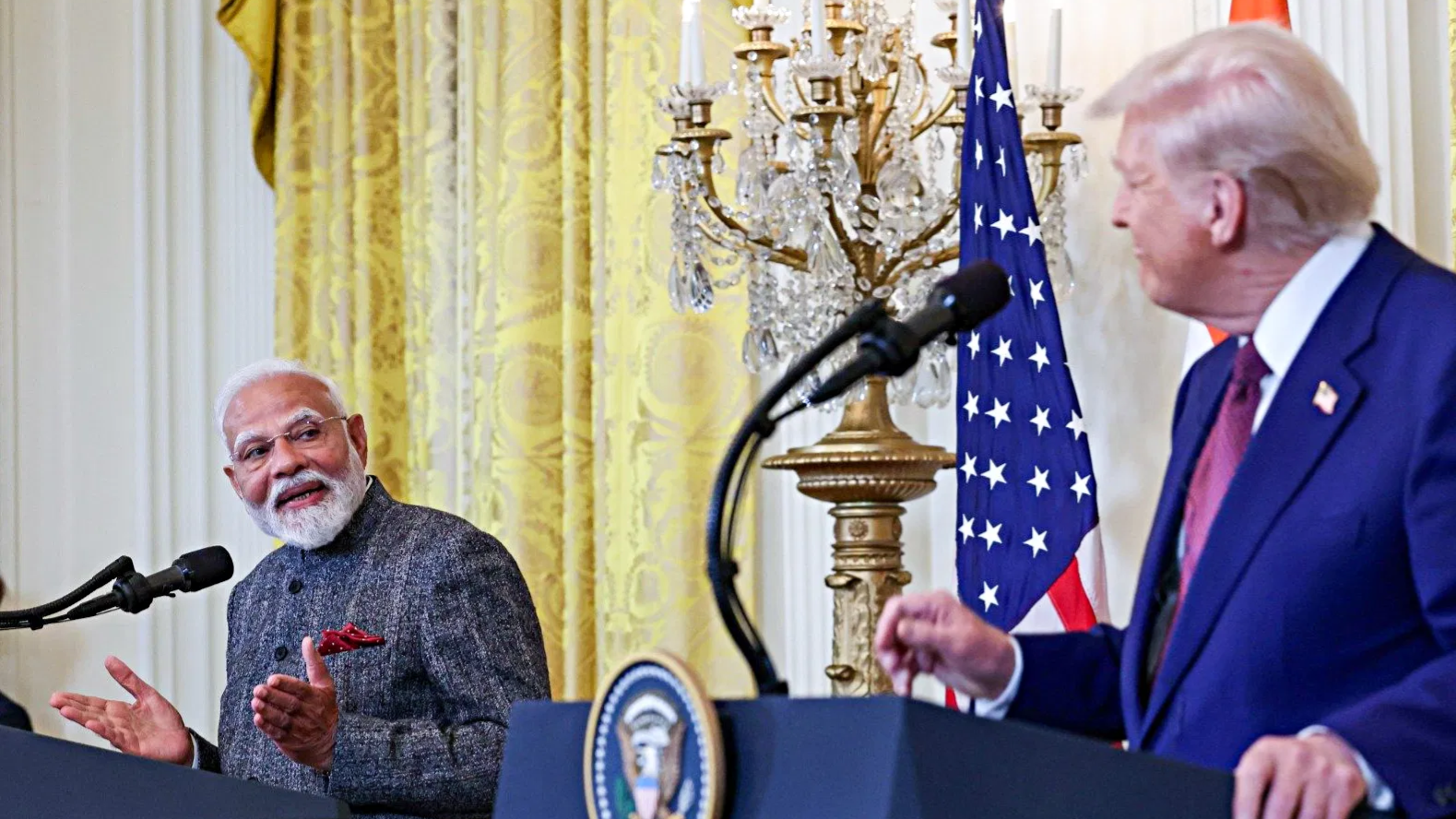
As trade talks between India and the US remain undecided, a top aide of United States President Donald Trump has revealed that the possible deal did not work out owing to the absence of adequate communication channels with Indian Prime Minister Narendra Modi.
US Commerce Secretary Howard Lutnick has confirmed that he had "set a deal up" with the Indian government, but this could not go ahead as Indian Prime Minister Modi “didn't call” President Donald Trump himself, he said during a podcast with entrepreneur Chamath Palihapitiya. “It's all set up, but I said I gotta have Modi call the President...they were uncomfortable doing it, so Modi didn't call,” Lutnick said.
‘Wrong side of the see-saw’
Lutnick later said India and the US were close to sealing an agreement, but claimed New Delhi ended up “on the wrong side of the see-saw.” He further said that it seemed that countries like Indonesia, Vietnam, and the Philippines were moving ahead with trade deals with the US because India's trade deal was supposed to be cornered earlier. “India's (deal) was gonna be done before them (the other countries). I negotiated with them at a higher rate,” he added.
Also Read | Why has Donald Trump pulled US out of over 60 global organisations? Here's what we know
His comments come against the backdrop of an uncertain relationship between the trade policies of India and the USA.
Trump hints at tariff hike over Russian oil
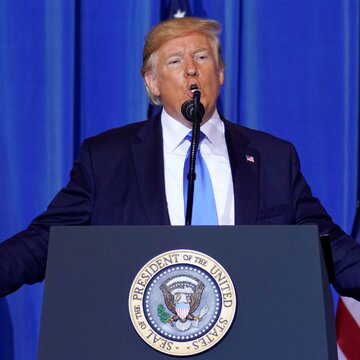
The remarks came in the aftermath of comments made by Donald Trump, which indicated that he was thinking of imposing tariffs on India to ensure it cooperated in what Trump called the "Russian oil issue."
“India wanted to make me happy. Modi is a very good guy and he knew I was not happy. And it was important to make me happy. We can raise tariffs on them very quickly,” Trump said recently.
50% tariffs and India’s firm stand
The US had placed a 50% tariff on Indian exports in August last year due to the Indian government's ties with Russian oil. Since then, the US has attempted to utilise the tariffs to influence Indian policy in the energy sector.
However, India has consistently maintained that its energy acquisitions are driven by market and needs. In October, Union Minister Piyush Goyal said that India is open to negotiations but not under pressure or set deadlines. “We are talking to the United States, of course, but we don’t do deals in a hurry, and we don’t do deals with deadlines or with a gun on our head,” Goyal had said.
Also Read | How US government shutdown forced S. Jaishankar into a 670-km road journey: Explained
500% tariffs on the horizon?
Reportedly, new worries have arisen following statements by US Senator Lindsey Graham that Trump has approved a sanctions bill against Russia. The Sanctioning Russia Act of 2025 makes importation from Russia of petroleum products and uranium compulsory at a rate of “at least 500 per cent” for “all goods and services imported into the United States from countries that knowingly engage in the exchange of Russian-origin uranium and petroleum products.” The bill seeks to pressure Russia to halt its military actions in Ukraine by imposing steep tariffs on countries that continue trading with Moscow.