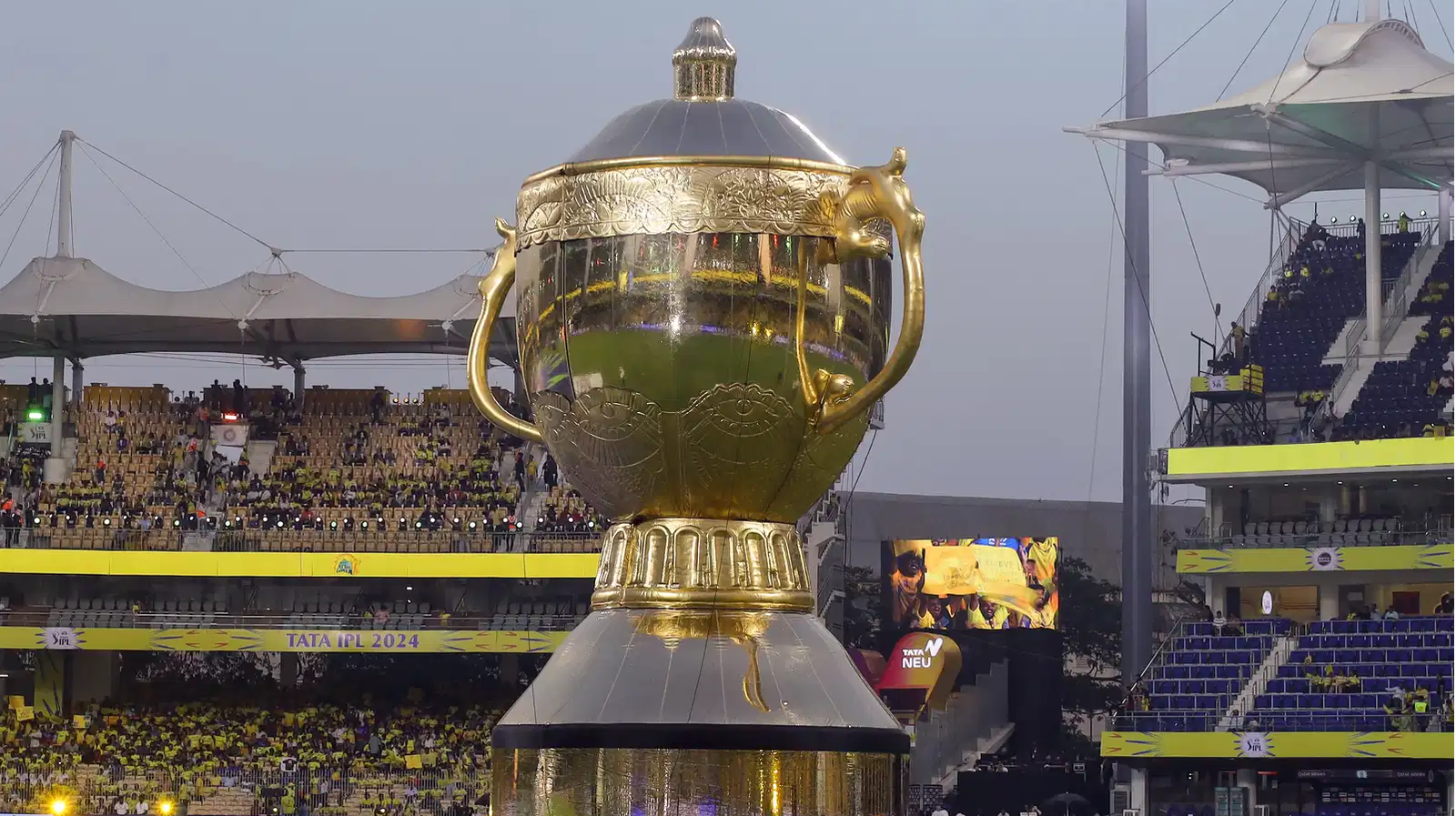
Few sporting events in the world occupy the cultural space that the Indian Premier League does in contemporary India. In 2026, the IPL is no longer just a cricket competition. It is a social event, a digital phenomenon, a commercial marketplace and a cultural ritual experienced by millions every day. To understand the league's significance, one can turn to Arjun Appadurai's idea of "consuming modernity", where popular culture becomes a space through which societies absorb, reinterpret and reshape modern life.
Cricket may have arrived in India as a colonial import, but the IPL represents the complete Indianisation of that legacy. The tournament demonstrates how a borrowed institution can be transformed into something that speaks directly to local aspirations, identities and cultural practices.
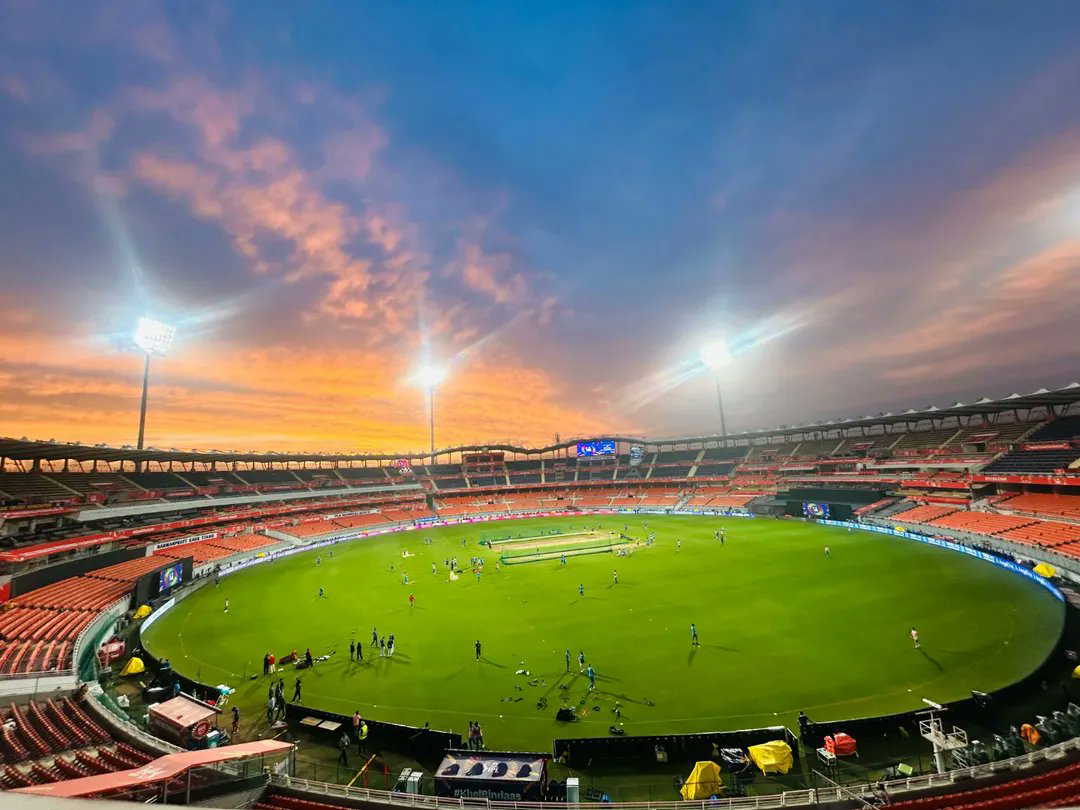 They consume an entire ecosystem built around teams, players, merchandise, social media content and brand narratives. (X/@Shebas_10dulkar)
 The stadium as a marketplace of modern dreams
The IPL is perhaps the clearest example of how consumption has become central to public culture in India. Fans do not merely watch matches. They consume an entire ecosystem built around teams, players, merchandise, social media content and brand narratives.
Every season brings new sponsorships, digital campaigns and celebrity collaborations. Franchise loyalties are expressed through jerseys, online communities and fantasy sports platforms. The act of supporting a team has become intertwined with participation in a larger consumer culture.
Yet this commercialisation has not weakened cricket's emotional appeal. Instead, it has made the game accessible in new ways, allowing fans to experience cricket as both entertainment and identity.
Also Read | 'We are always optimistic', Gautam Gambhir backs India’s WTC hopes despite fifth-place standing
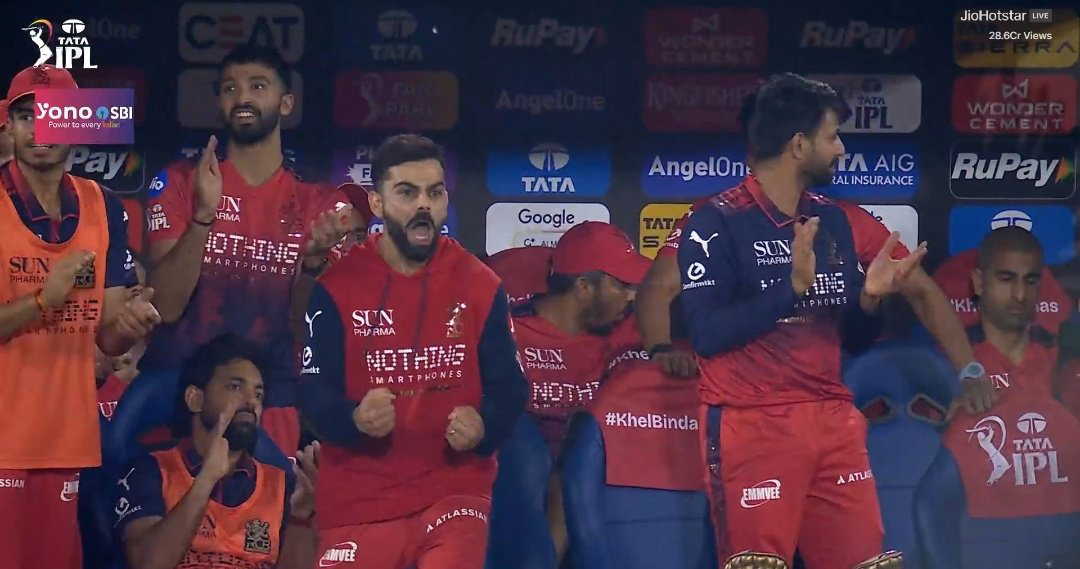 A boundary struck in Ahmedabad becomes a meme in Kolkata, a debate in Bengaluru and a viral clip in Mumbai within minutes. (X/@Vikrant_1589)
 Technology reshapes the cricket experience
If television transformed Indian cricket in the twentieth century, digital technology has transformed the IPL in the twenty-first. Streaming platforms, artificial intelligence-driven statistics, short-form videos and interactive fan experiences have changed how audiences engage with the game.
The modern IPL fan is no longer a passive spectator. Every match generates conversations across multiple screens and platforms. A boundary struck in Ahmedabad becomes a meme in Kolkata, a debate in Bengaluru and a viral clip in Mumbai within minutes.
This constant circulation of images, opinions and narratives reflects Appadurai's argument that media plays a crucial role in shaping modern cultural experiences.
Also Read | Nepal, Malaysia, Hong Kong and Oman seal Asian Games 2026 berths
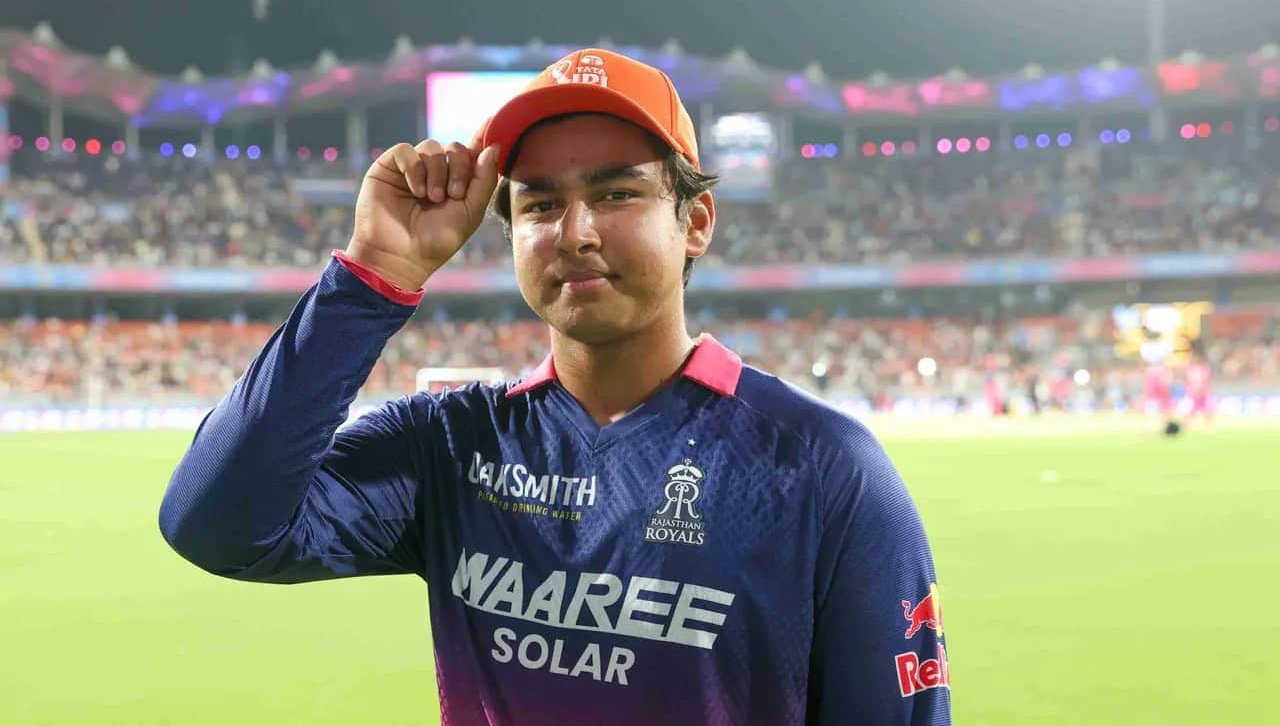 International stars share dressing rooms with cricketers from small Indian towns. (X/@IMManu_18)
 A mirror of a changing India
What makes IPL 2026 unique is its ability to combine the global and the local. International stars share dressing rooms with cricketers from small Indian towns. Commentary is available in multiple regional languages. Local identities thrive within a global sporting product.
The league captures the aspirations of a country that is increasingly urban, connected and confident. It reflects an India comfortable with commerce, technology and globalisation while remaining deeply attached to regional cultures and local pride.
Seen through the lens of consuming modernity, IPL 2026 is not simply a cricket tournament. It is a cultural institution that reveals how modern India sees itself, celebrates itself and projects itself to the world. In doing so, it has transformed cricket into one of the most powerful expressions of contemporary Indian life.