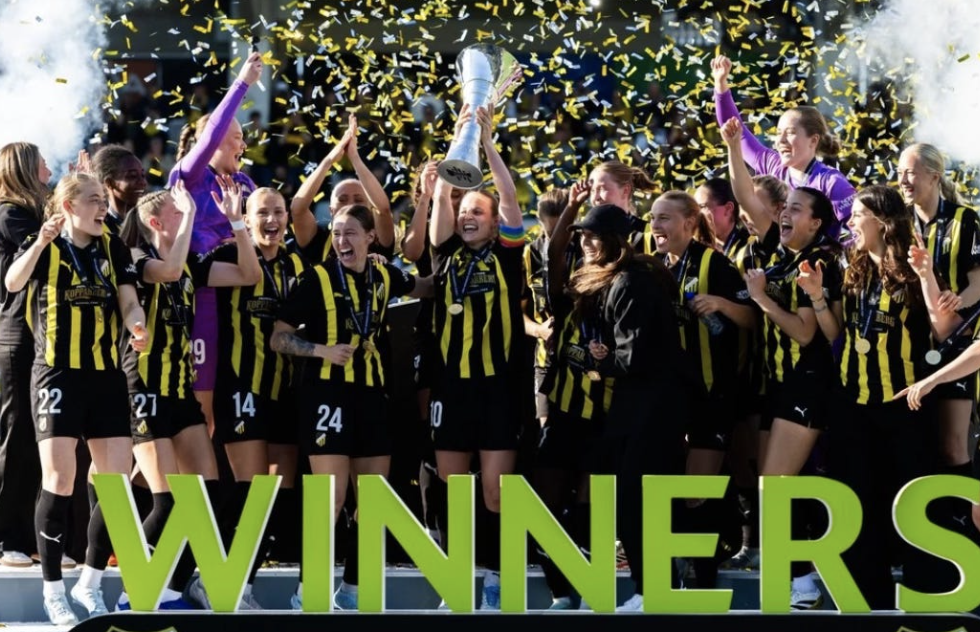
The first chapter of the UEFA Women’s Europa Cup concluded with a historic triumph as BK Häcken emerged champions, defeating domestic rivals Hammarby IF 4-2 on aggregate. The second leg, played in Gothenburg, ended in a thrilling 3-2 win, sealing Häcken’s place in the record books as the competition’s first winners.
A new era for women’s club football
The launch of the Women’s Europa Cup marks a significant expansion of European women’s football. Designed as a second-tier continental competition alongside the UEFA Women’s Champions League, it aims to provide more clubs with meaningful international exposure.
In its debut season, 43 teams from 28 countries participated, highlighting both the demand and depth in the women’s game. The introduction of this competition, combined with reforms to the Champions League, has dramatically increased the number of clubs competing at the European level.
Also Read | Mumbai City FC vs East Bengal FC: Fine margins set up high-stakes ISL clash
Swedish dominance in historic final
The inaugural final was notable not just for its significance, but also for its all-Swedish lineup. Both finalists brought intensity and attacking flair, delivering an entertaining two-legged contest that showcased the growing quality of club football in Sweden.
Häcken’s composure across both matches proved decisive, as they managed to edge past Hammarby in a closely fought tie. The victory reflects the strength of Swedish women’s football and its continued influence on the European stage.
Also Read | Inter seal historic 21st Serie A title with Parma win
Expanding opportunities and future growth
The new competition is part of a broader push by UEFA and stakeholders to grow the women’s game sustainably. By increasing the number of competitive fixtures, the format allows more players to gain high-level experience while helping clubs build stronger fan bases and commercial appeal.
With 61 teams now involved across two major European competitions, compared to just 16 earlier, the shift signals a more inclusive and competitive future. The success of the inaugural season suggests that the Women’s Europa Cup could become a key pillar in the continued rise of women’s football across the continent.