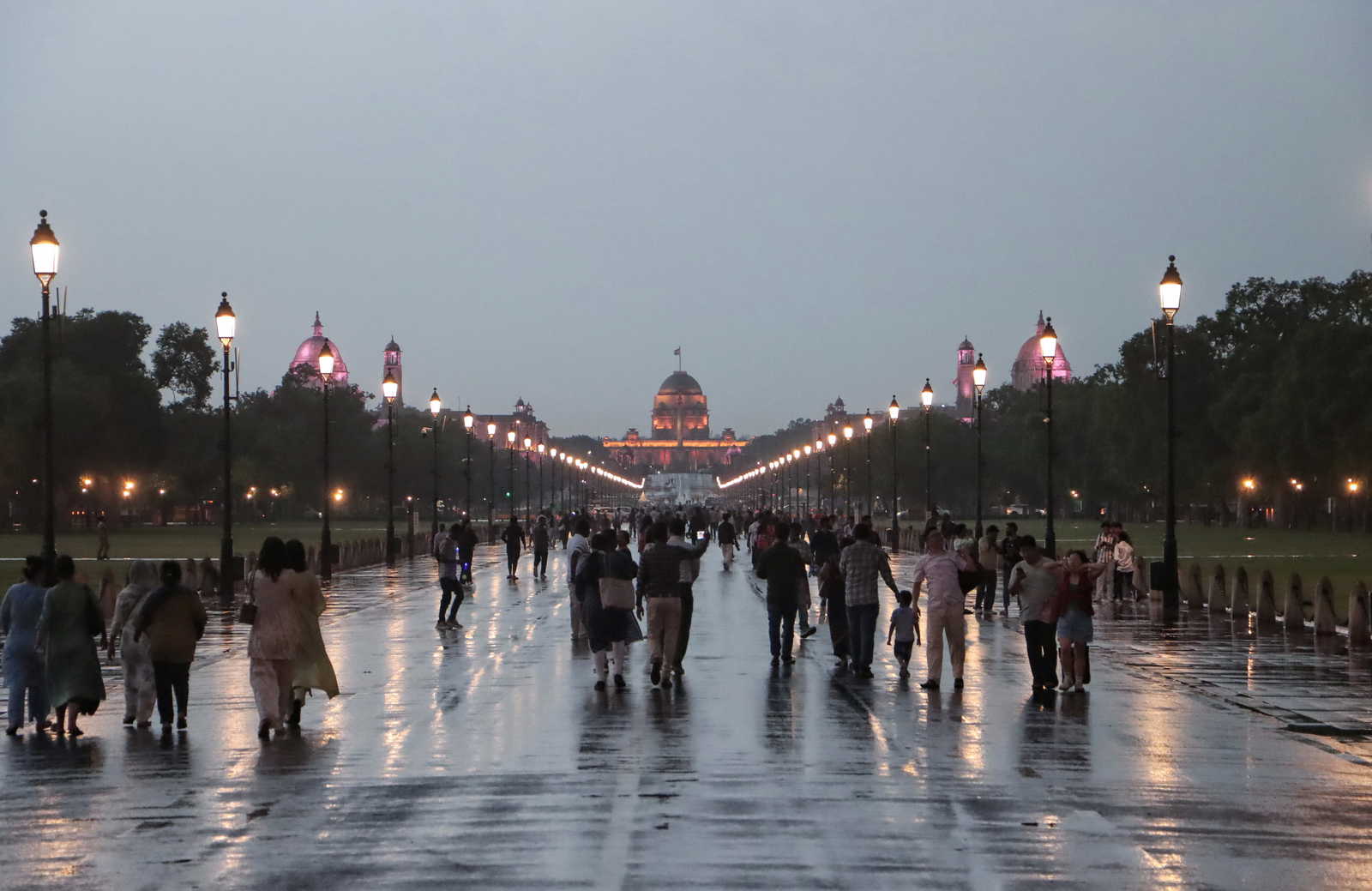
Erratic rainfall patterns in April have triggered a spike in dengue cases in New Delhi, raising fresh concerns about vector-borne diseases ahead of the peak season. Of the 107 dengue cases reported so far this year, 52 were recorded in April alone, indicating a sharper rise compared to previous years.
Rainfall creates breeding hotspots
Health officials attribute the surge to intermittent showers that prevent water from drying up completely. Instead, water collects and lingers in containers, drains and open spaces, providing ideal breeding grounds for mosquitoes. The primary culprit, Aedes aegypti, thrives in such conditions, accelerating its breeding cycle and increasing the risk of transmission.
According to The Times of India, the authorities have urged residents to remain vigilant by avoiding water accumulation in homes, especially on rooftops and in unused containers. Indoor precautions, including repellents and proper ventilation, are also being emphasised as part of early prevention.
Also Read | ‘Unacceptable’: PM Modi condemns Iran after UAE port strike injures 3 Indians
Civic measures intensified across city
Municipal authorities have ramped up surveillance and field action across the capital. Around 1.2 crore house visits have already been conducted to identify mosquito breeding sites. Of these, over 15,000 households were found to have conditions conducive to mosquito growth.
Legal and administrative action has followed, with thousands of notices issued and several prosecutions launched. Fines have also been imposed in serious cases, signalling a stricter enforcement approach aimed at curbing negligence.
The mosquito density index, a key surveillance tool used to measure the presence of vectors, is yet to be released. However, officials believe the current trend calls for proactive intervention rather than reactive response.
Also Read | BJP likely to take oath in Bengal on May 9, Rabindra Jayanti adds symbolism
Other vector-borne diseases under watch
While dengue cases have risen, the situation with other diseases remains relatively stable. Cases of malaria and chikungunya have been reported in smaller numbers so far this year, though authorities continue to monitor the situation closely.
Officials have also noted a number of cases where infections were either contracted outside Delhi or could not be traced due to incomplete addresses, adding complexity to tracking efforts. With weather patterns remaining unpredictable, health authorities are focusing on early containment to prevent a larger outbreak in the coming months.