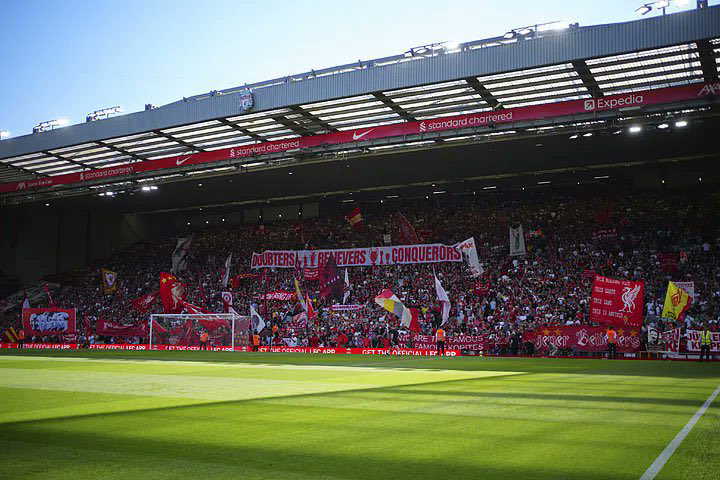
Supporters of Liverpool FC are stepping up protests against the club’s decision to increase ticket prices over the next three seasons, with fan group Spirit of Shankly leading the charge. Ahead of the club’s clash with Fulham FC, fans have been urged to boycott in-stadium spending through a campaign titled “not a pound in the ground.” Instead, supporters are being encouraged to spend money at local businesses around Anfield. The protest marks the beginning of a wider movement, as fans push back against what they see as a growing disconnect between clubs and their traditional supporter base.
Why Liverpool’s pricing model has triggered backlash
The controversy stems from Liverpool’s decision to link ticket price increases to inflation, marking the first time a Premier League club has pre-announced rises for multiple seasons. By 2028, some fans could be paying around £100 more for their season tickets. The club has defended the move by citing rising operational costs, including significant increases in utilities, wages and matchday expenses. However, fans argue the decision prioritises revenue over loyalty, especially given Liverpool’s strong financial position and growing matchday income. Former CEO Christian Purslow also questioned the approach, warning that pricing out loyal supporters could ultimately harm the club’s long-term identity.
Also Read | India U-12 team stuns world with title win at Real Madrid World Challenge
Why this matters beyond Liverpool
The implications of Liverpool’s move extend far beyond one club. According to the Football Supporters’ Association, there is growing concern that other clubs may adopt similar pricing strategies. Football economics often follow trends, and multi-year pricing models could reduce dialogue between clubs and fans. If left unchallenged, supporters fear it could normalise rising costs across the league, making live football increasingly inaccessible. Recent protests at clubs like Manchester United, Manchester City and Tottenham Hotspur show that frustration is already widespread, whether over ticket prices, seating changes or reduced concessions.
Also Read | Minerva Academy’s MIC Cup run signals new era for Indian youth football
A broader fight to protect football culture
Liverpool fans have historically influenced club decisions, notably forcing a U-turn on ticket prices in 2016. This latest protest is being framed as part of a larger fight to preserve football’s accessibility and community roots. Supporter groups argue that unchecked price rises risk alienating core fanbases and replacing them with those able to afford higher costs, fundamentally altering the atmosphere and identity of clubs. As protests grow across the Premier League, the message from fans is clear: football must remain accessible. What happens at Liverpool could shape the future of fan engagement across the sport.