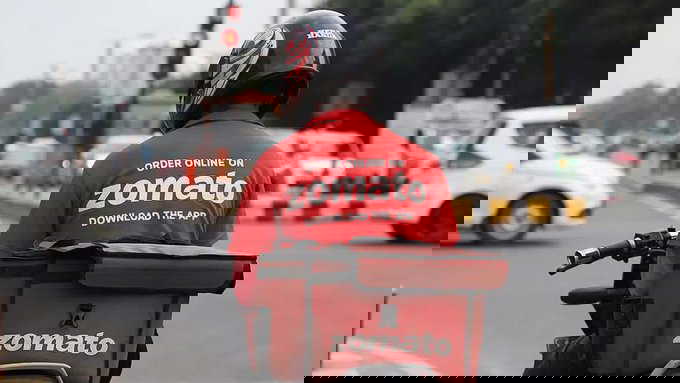
Zomato has introduced cooling vests for its delivery partners as temperatures rise across India, in a move aimed at easing working conditions during peak summer months.
The company said more than 2,500 delivery partners across 14 cities will test the vests as part of a pilot initiative. The rollout comes as several regions continue to record temperatures above 40C, increasing the risk of heat-related stress for gig workers.
Zomato CEO Deepinder Goyal shared the update on LinkedIn, saying, “Still early, but hoping this makes the summer a little more bearable.”
Also Read | What happens to old Indian Railways trains after retirement? The answer may surprise you
What is a cooling vest and how does it work?
A cooling vest is a type of clothing that helps to maintain optimal body temperature in hot conditions. It works by removing heat and aiding in the process of the body's natural cooling process, thus minimizing the chances of suffering from heat stroke or exhaustion.
According to Zomato, these cooling vests employ evaporative cooling technology using PVA (Polyvinyl Alcohol). The vest provides cooling for up to four hours after activation by soaking it in water. In the process of evaporation of the water in the fabric, heat is removed from the body.
Zomato explained that these vests were lightweight, breathable, and anti-microbial.
Partnership and broader impact
The initiative is being implemented in collaboration with Shell Foundation and Trane Technologies’ SPACES programme, with Mumbai-based consulting firm Intellecap serving as the implementation partner.
The company described the rollout as an effort to improve on-ground working conditions, particularly for delivery workers who spend long hours outdoors in extreme heat.
Also Read | UK graduate spends over Rs 1 crore on a degree, still jobless after 500 applications
The move has drawn positive responses online, with many users calling it a necessary step toward improving safety and comfort in the gig economy. Some also suggested design improvements, including additional coverage for the neck area.
As India’s summers grow more intense, such measures could become increasingly relevant for sectors that rely heavily on outdoor labour.