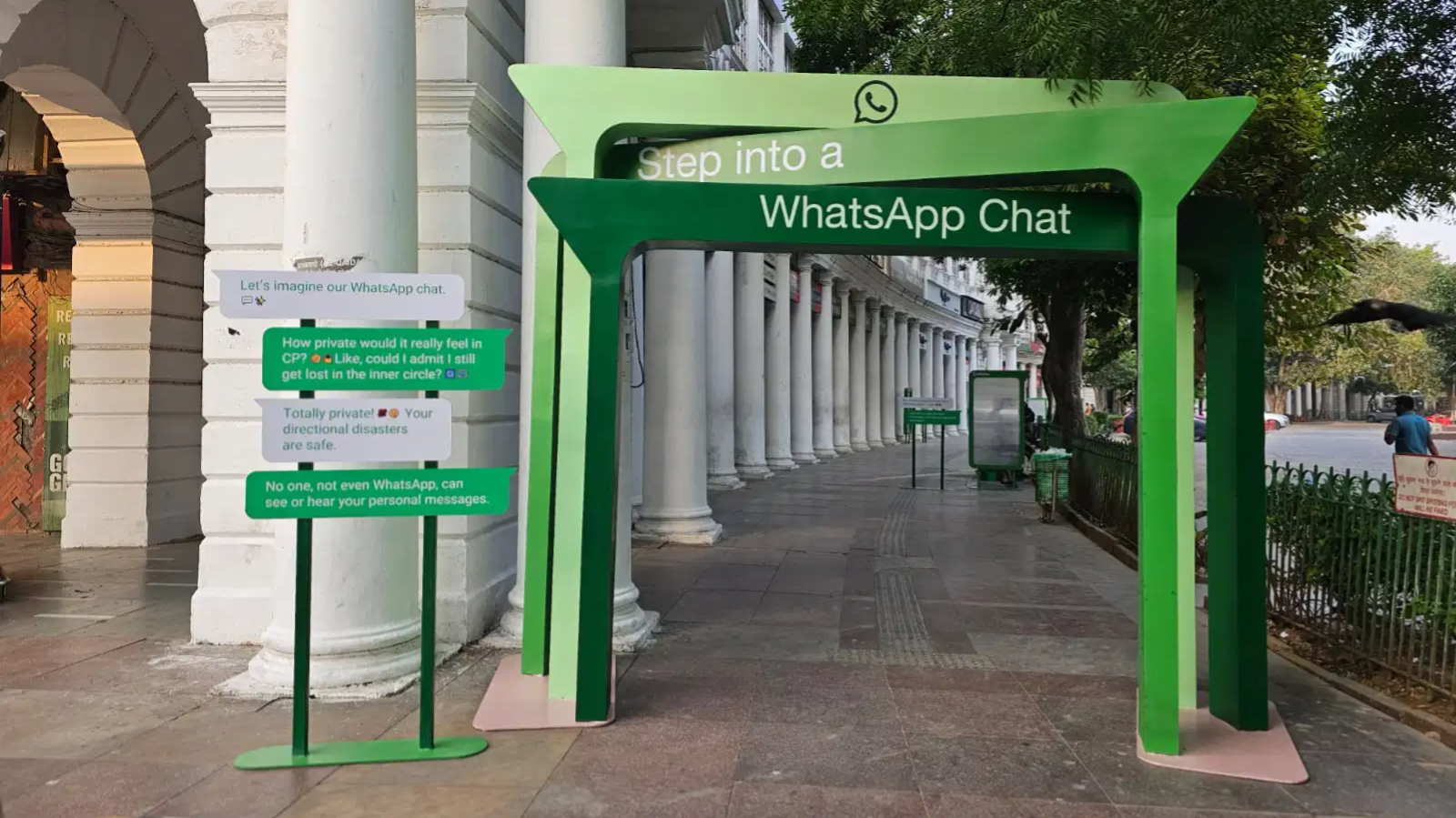
As many as 9,400 WhatsApp accounts have been suspended since January this year because of involvement in the “digital arrest” scam cases, said the Indian government’s Communication Ministry while responding to the Supreme Court.
This is among the many initiatives that are part of the concerted action being taken by several agencies, which includes telecom watchdogs, financial establishments, and law-enforcing agencies, against impersonation cybercrime cases.
According to an official document submitted before the Supreme Court by the Indian Cyber Crime Co-ordination Center (I4C) under the Home Ministry, WhatsApp had initiated an investigation to curb such impersonation scams on the messaging application.
Also Read | Delhi power demand crosses 7,000 MW in April—heatwave already pushing limits?
Multi-agency crackdown on cyber fraud
The report, submitted through Attorney General R Venkataramani, details steps taken following directions issued by the Supreme Court in February to curb rising instances of digital fraud.
A bench headed by Chief Justice Surya Kant had taken suo motu cognisance of such cases and directed agencies including the Reserve Bank of India (RBI) and department of Telecommunications (DoT) to coordinate efforts and explore compensation mechanisms for victims.
Authorities said the crackdown includes faster identification and blocking of fraudulent SIM cards, with telecom operators working towards disabling suspicious numbers within two to three hours of detection.
New safeguards and tech interventions
In addition to this, WhatsApp has introduced new measures for preventing the use of the platform for malicious purposes. They will include detection systems for accounts having profile pictures displaying any police/government logo. Warning systems will also be installed for phone calls made from newly created or unauthorized accounts.
A new measure is also proposed wherein profiles will automatically hide photos of suspicious callers. This is intended to prevent fraudsters from posing as authorities.
Biometric-based identification system to be implemented by the end of December 2026 has been demanded by the government. The Department of Telecommunications has been assigned to implement the system.
Also Read | Google is building a massive AI hub in Vizag: Here’s what it means for India
Enforcement measures taken by CBI, RBI
CBI has raised the limit of taking over the case of digital scams to ₹10 crore and several cases have already been registered.
Meanwhile, the RBI has introduced a standard operating procedure directing banks to temporarily hold suspicious transactions in order to curb money mule operations.
The Centre has urged the court to direct telecom operators and digital platforms to comply with the proposed safeguards, including SIM-binding mechanisms that require active, verified SIM cards for app usage.