Every year, just days before the Union Budget is presented in Parliament, a small, symbolic ceremony takes place behind closed doors. It is called the halwa ceremony and is the final, secretive stage of Budget preparation.
The halwa ceremony is usually held about a week ahead of the Budget presentation on February 1. It signals that the Budget is ready in its final form and that the essential figures are set in stone.
Where the ceremony takes place
The ceremony is held in the basement of North Block, which houses a highly secure government printing press. Even in the digital age, this is the one place that is at the heart of this tradition.
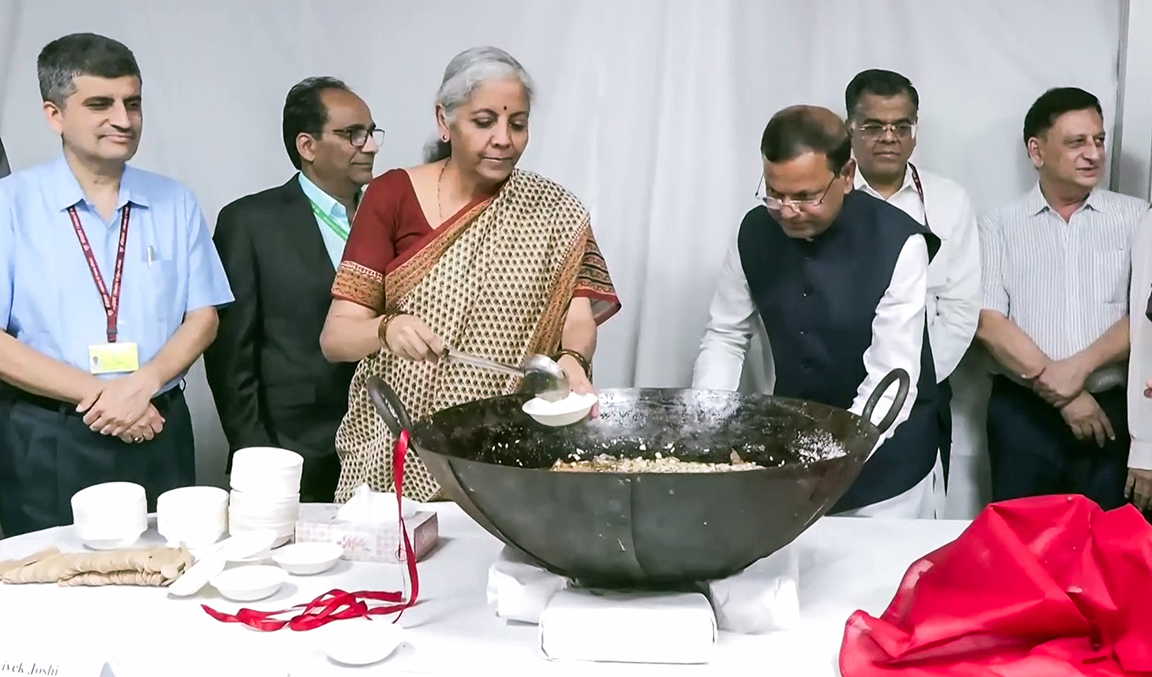
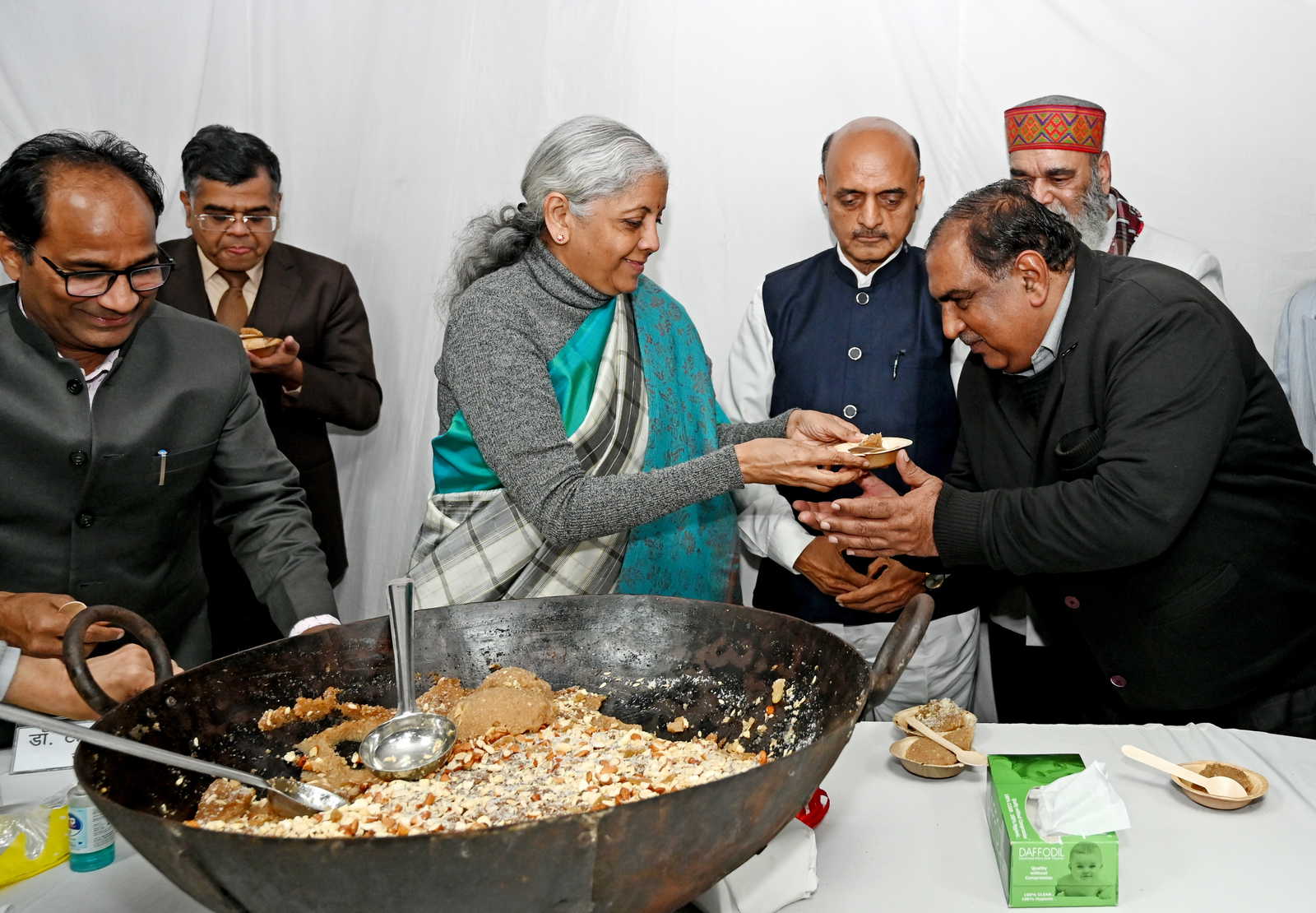 Union Finance Minister Nirmala Sitharaman during the Halwa ceremony for the Interim Union Budget 2024 ANI
 As per custom, the Finance Minister begins the halwa ceremony by stirring a massive kadhai of halwa. This is a symbol of the end of months of painstaking work on a document that will affect the whole country.
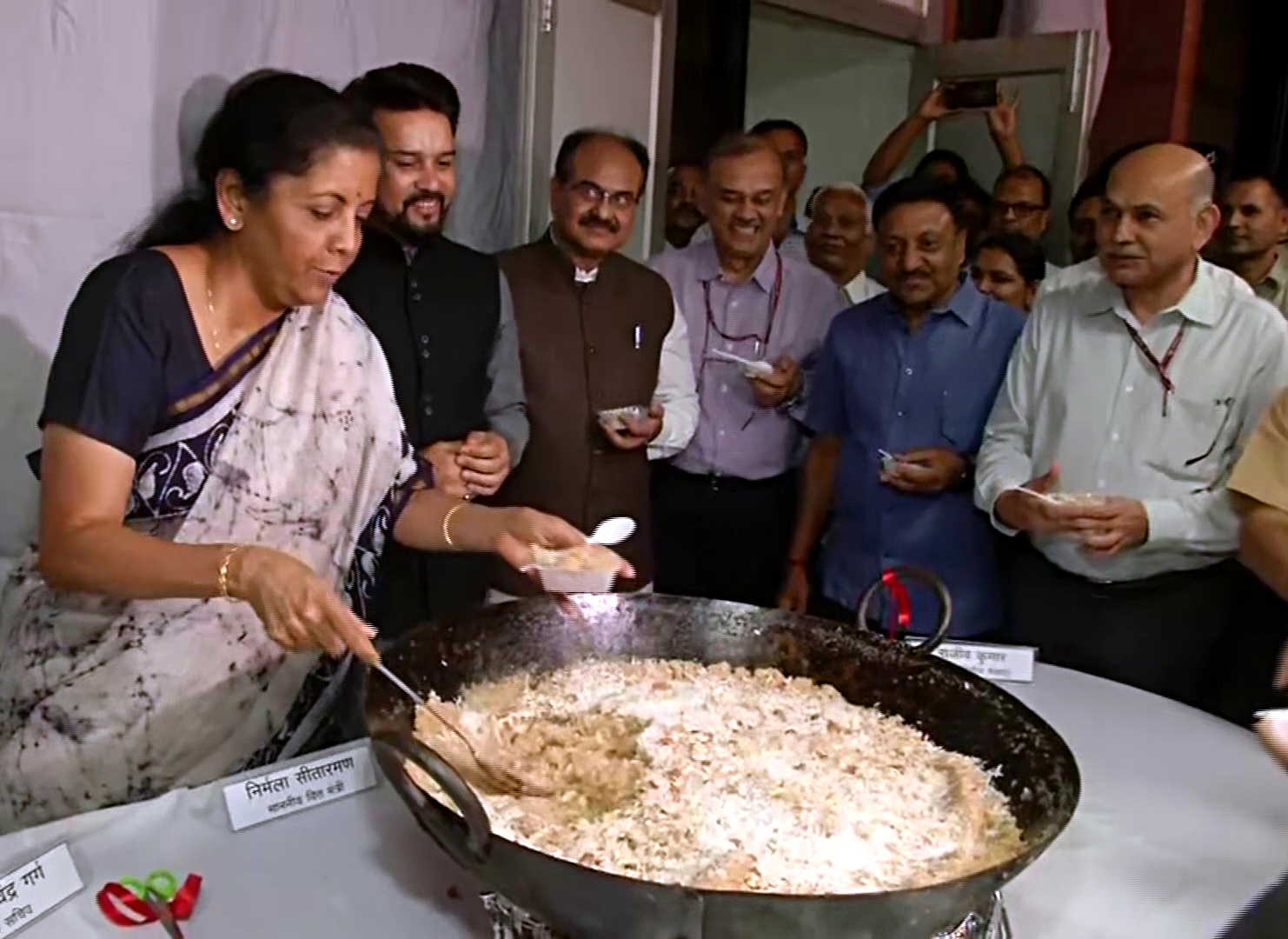 Halwa Ceremony, Union Budget 2019-20 ANI
 Serving the staff first
The halwa is first distributed to the junior staff, clerks, and support staff, a gesture towards their never-ending toil of compiling and double-checking thousands of pages of Budget documents.
Once the halwa is distributed, the Budget team goes into a “lock-in.” Sealed away in the basement of the North Block, they sever all connections with the outside world until the Budget speech is delivered in Parliament.
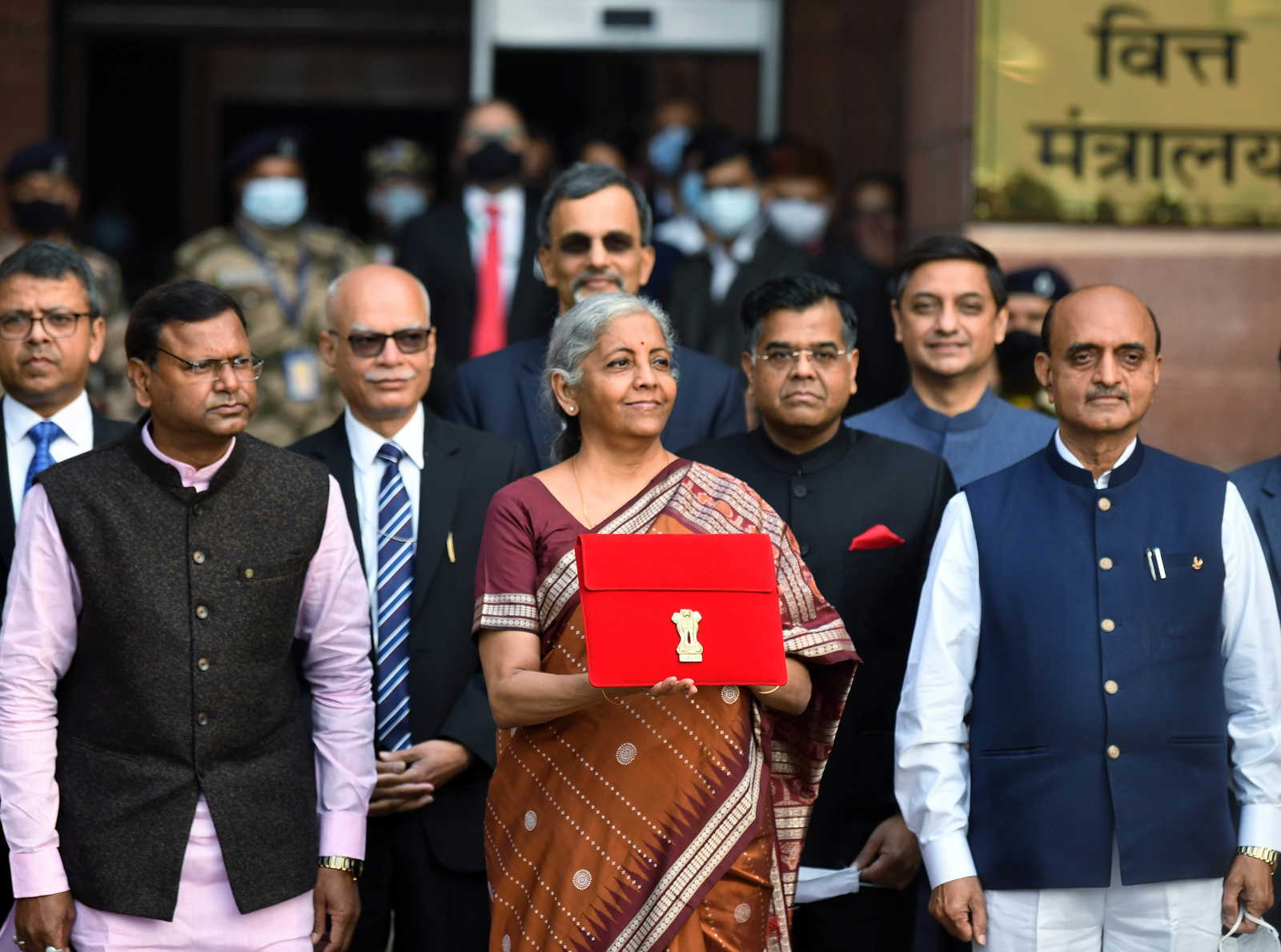 Union Finance Minister Nirmala Sitharaman with 'Bahi Khata' ANI
 During this phase, the most crucial document is the Blue Sheet. It contains the final figures, the essential calculations securely stored and never leaving the protected area.
Even in the digital age, the halwa ceremony continues, symbolising the importance of secrecy, discipline, and tradition in India’s Budget-making process.