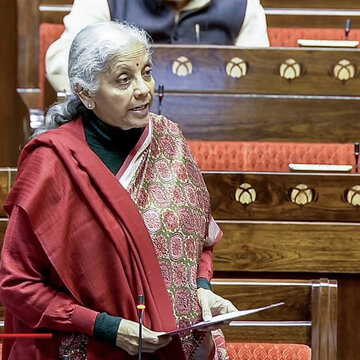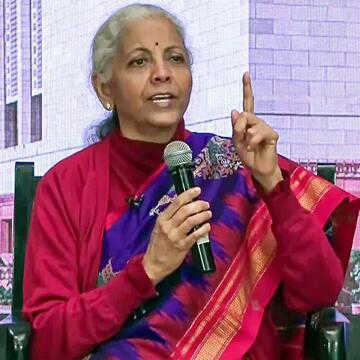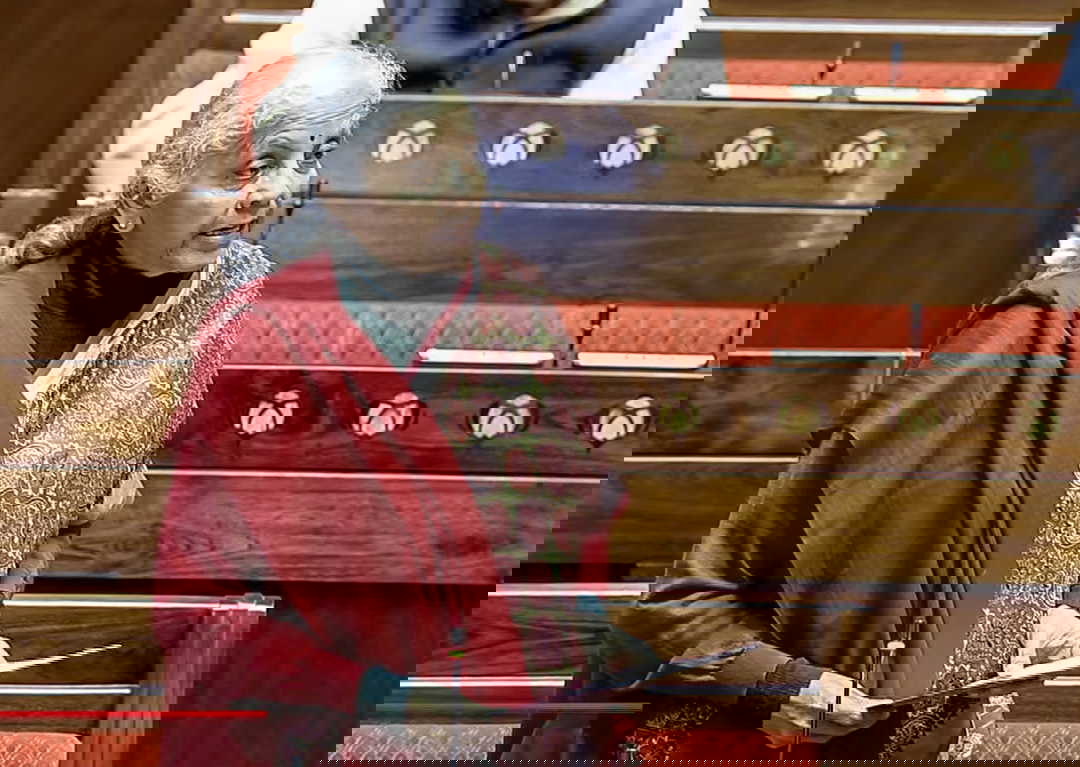
Union Finance Minister Nirmala Sitharaman is all set to create a major milestone when she presents the Union Budget 2026 on February 1. This will be her ninth consecutive budget, placing her just one step behind former Prime Minister Morarji Desai, who holds the record for presenting the highest number of Union Budgets.
With this, Sitharaman continues to cement her place in India’s financial history, becoming the longest-serving finance minister in terms of uninterrupted budget presentations after being an extraordinary inspiration for women.
ALSO READ | From paper piles to tablet: Here's a look at how the Union Budget went digital
Chasing the history
Morarji Desai presented a total of 10 budgets during his tenure as finance minister, including eight full budgets and two interim ones. By delivering her ninth budget this year, Sitharaman is set to nearly match that record.
Since taking charge in 2019, she has presented six full budgets and three interim budgets, a feat unmatched by any other finance minister in the country so far. In the previous year, she had already overtaken senior leaders such as Manmohan Singh and Arun Jaitley, both of whom presented six budgets each.
If Sitharaman continues in the cabinet and presents the 2027–28 budget, she will not only equal Morarji Desai’s record but also create history as the finance minister with the highest number of budgets presented by an individual.
Beyond numbers, Sitharaman has also brought visible changes to budget presentation traditions. She replaced the iconic leather briefcase with a digital ‘Bahi Khata’, symbolising a shift towards technology and paperless governance.
ALSO READ | Here are some lesser-known facts we bet you didn't know about the Union Budget
Top budget presenters
Morarji Desai: 10 budgets (8 full, 2 interim)
Nirmala Sitharaman: 9 consecutive budgets
Manmohan Singh: 6 consecutive budgets
As she prepares for Budget 2026, all eyes will be on Sitharaman-not just for policy announcements, but for another significant chapter being added to India’s budgetary history.