The second phase of the West Bengal Assembly elections is set to be a defining moment in the contest, with voting across 142 constituencies today, on April 29. After a record 92 per cent turnout in the first phase, attention now shifts to South Bengal and Kolkata, regions that have historically shaped the state’s political direction.
Strongholds under pressure
This phase covers eight crucial districts, including Kolkata, North 24 Parganas, South 24 Parganas, Howrah, Nadia, Hooghly, Purba Bardhaman and Birbhum. These areas have long been seen as the core support base of the All India Trinamool Congress, but the Bharatiya Janata Party has intensified its push to gain ground.
In the 2021 Assembly polls, the Trinamool Congress secured 123 of these 142 seats, leaving the BJP far behind with 18. That backdrop makes this phase critical for both sides as they attempt to influence the broader electoral momentum.
Also Read | West Bengal elections 2026: what’s open, what’s closed as Bengal votes in phase 2
Why this phase matters
The second phase is widely seen as a potential “decider” for who ultimately forms the government. A significant number of constituencies here have closely contested margins, and shifts in voter preference could alter the overall outcome.
Demographically, around 70 seats in South Bengal have a sizable Muslim population, making voting patterns in these areas particularly significant. Additionally, the Special Intensive Revision (SIR) of electoral rolls has added a new layer of tension, especially in Matua-dominated pockets of North 24 Parganas, where allegations of voter deletions have triggered political clashes.
Also Read | 'Got the guts?': Derek O’Brien challenges PM Modi to resign over Bengal polls
High-profile battles to watch
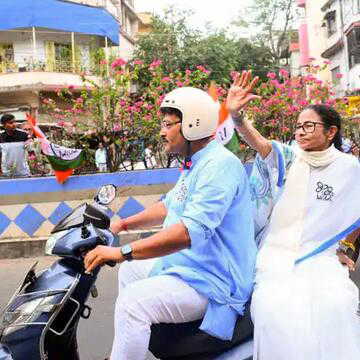
One of the most closely watched contests is in Bhabanipur, where Chief Minister Mamata Banerjee faces Suvendu Adhikari in a high-stakes face-off. The seat carries symbolic weight after Banerjee’s previous electoral battles.
In Kolkata Port, senior TMC leader Firhad Hakim is contesting against BJP’s Rakesh Singh. Other key constituencies drawing attention include Bhatpara, Barrackpore, Dum Dum, Sandeshkhali, Ranaghat, Jadavpur, Rashbehari and Ballygunge.
With political heavyweights actively campaigning and closely fought seats in play, Phase 2 is expected to significantly influence the trajectory of the 2026 West Bengal elections.