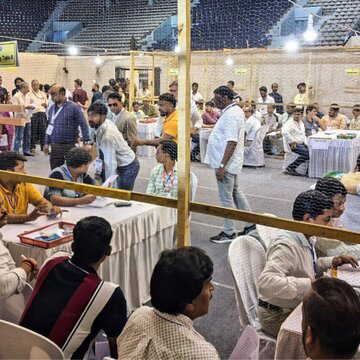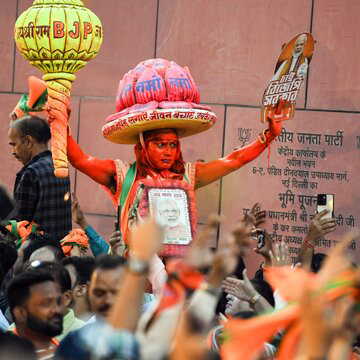
A major political shift unfolded in West Bengal as the Bharatiya Janata Party (BJP) secured a decisive win, unseating the Trinamool Congress (TMC) after years in power. One of the most striking aspects of the result was the scale of losses faced by the ruling party’s top leadership, with as many as 22 ministers from the Mamata Banerjee government defeated in their constituencies
High-profile losses signal leadership setback
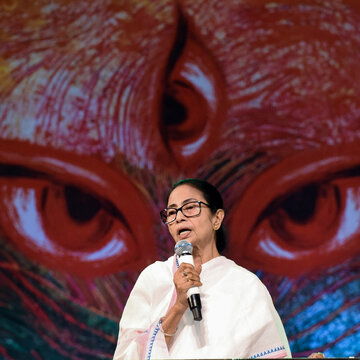
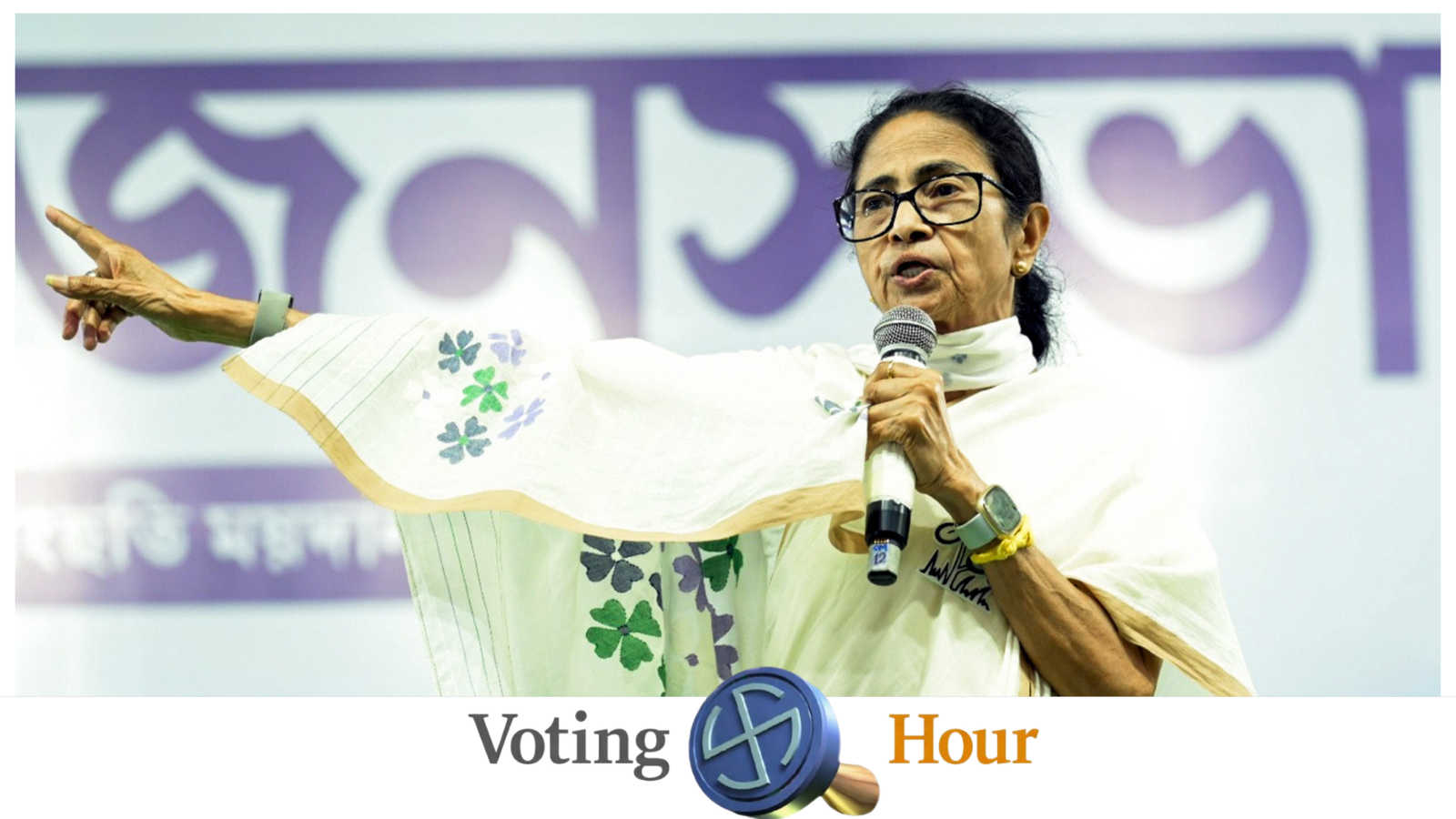
Chief Minister Mamata Banerjee herself was among those who lost, marking a significant political moment in the state. Several key faces of the cabinet, who had held important portfolios and were considered influential within the party, also failed to retain their seats.
Also Read | West Bengal elections: EC orders recount in Rajarhat New Town amid tight margin
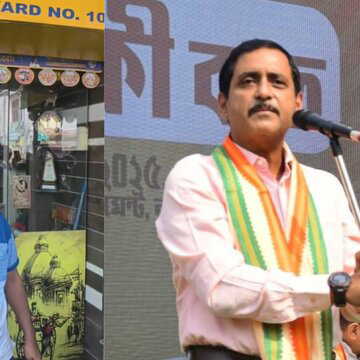
The losses cut across key governance sectors. Ministers overseeing crucial portfolios such as industry, education, housing, power, transport, women and child development, and backward classes welfare all failed to retain their constituencies. This broad-based electoral setback signals dissatisfaction not just with individual candidates, but with the government’s overall performance.
Who are the 22 ministers who lost
The list of defeated ministers includes several prominent figures from the outgoing government. Among them are:
Mamata Banerjee — chief minister — Bhabanipur
Aroop Biswas — minister for housing, power — Tollygunge
Bratya Basu — minister for higher education, school education — Dum Dum
Chandrima Bhattacharya — minister for environment, finance, programme monitoring — Dum Dum Uttar
Shashi Panja — minister for industry, commerce & enterprises; women & child development and social welfare — Shyampukur
Sujit Bose — minister for fire and emergency services — Bidhannagar
Indranil Sen — minister for technical education, training & skill development; tourism — Chandannagar
Becharam Manna — minister for agricultural marketing — Singur
Swapan Debnath — minister for animal resources development — Purbasthali Dakshin
Bulu Chik Baraik — minister for backward classes welfare, tribal development — Mal
Pradip Kr. Mazumdar — minister for co-operation, panchayats & rural development — Durgapur Purba
Birbaha Hansda — minister for forests, self-help group & self-employment — Binpur
Manas Ranjan Bhunia — minister for irrigation & waterways, water resources investigation & development — Sabang
Moloy Ghatak — minister for labour — Asansol Uttar
Also Read | Bengal’s public trust in TMC erodes after repeated legal defeats
Siddiqullah Choudhury — minister for mass education extension and library services — Monteswar
Udayan Guha — minister for north bengal development — Dinhata
Sandhyarani Tudu — minister for Paschimanchal Unnayan Affairs — Manbazar
Bankim Chandra Hazra — minister for sundarban affairs — Sagar
Ujjal Biswas — minister for science & technology and bio-technology — Krishnanagar Dakshin
Snehasis Chakraborty — minister for transport — Jangipara
Srikant Mahato — minister of state for consumer affairs — Salboni
Satyajit Barman — minister of state for school education — Hemtabad
BJP’s sweeping victory reshapes the political landscape
The BJP’s victory, crossing the majority mark comfortably, signals a major realignment in Bengal politics. The defeat of so many ministers underlines the extent of anti-incumbency and the scale at which voter sentiment shifted.
This election result not only changes the government but also reshapes the state’s political narrative, with the ruling party’s core leadership facing one of its toughest electoral setbacks in recent years.