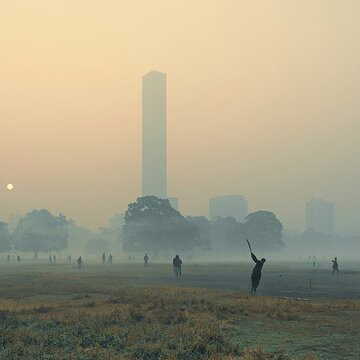
Doctors in Kolkata are reporting a steady rise in cases of allergic rhinitis which is more commonly known as hay fever. They say it is closely linked to worsening air quality, especially during the winter months.
Allergic rhinitis is caused by nasal inflammation that is often triggered by allergens such as pollen, dust mites and airborne pollutants. Symptoms include frequent sneezing, nasal irritation, runny nose and watery eyes are signs that often overlap with seasonal cold and cough, leading many patients to delay treatment.
Also Read | Want to take photos against an Instagram-worthy backdrop? Head to this colorful alley in the city
City-based ENT specialists warned that unlike viral colds, allergic rhinitis does not resolve on its own and requires medical intervention to prevent complications.
Doctors warn of asthma risk if condition is ignored
As per a Times of India report, Dr Dwaipayan Mukherjee, national president of the Association of Otolaryngologists of India said, “If not addressed on time, allergic rhinitis becomes persistent. Allergens can move down into the lungs, and patients may go on to develop asthma,” He further added, “Asthma is a debilitating condition and significantly affects quality of life.”
Doctors said hospitals are currently seeing a higher number of elderly patients with severe respiratory problems, some requiring ICU care. These cases include complications related to allergic rhinitis as well as chronic obstructive pulmonary disease (COPD).
Also Read | West Bengal carries out big police reshuffle, 23 IPS and 3 WBPS officers shifted before Assembly polls
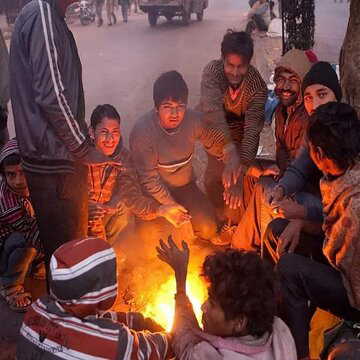
Physicians attributed the rise to both outdoor and indoor pollution. Vehicular emissions, construction dust linked to rapid urbanisation, and stagnant winter air were cited as major outdoor contributors. Indoor factors such as poor ventilation, dust accumulation and household pollutants are also triggering symptoms.
India-specific treatment guidelines to be released
The growing concern around allergic rhinitis has prompted focused discussion at the upcoming 77th annual conference of the Association of Otolaryngologists of India, scheduled to begin in Kolkata this week.
For the first time, the AOI will release treatment guidelines tailored specifically for Indian patients. Until now, doctors in India have largely relied on protocols developed in Western countries.
“Pollution levels, allergens and genetic responses in India are very different,” Dr Mukherjee said. “A 14-member committee from across the country has worked on these India-specific guidelines, which will serve as a ready reference for ENT doctors.”
Also Read | Kolkata Police cracks down on illegal parking in office areas to ease traffic jams
The four-day conference will feature experts from the UK, the US, Japan and Brazil. Alongside discussions on allergic rhinitis, the event will include workshops on vertigo and facial plastic surgery.
According to Dr Utpal Jana, organising chairman and president of the Bengal AOI chapter, a medico-legal guideline for ENT treatment will also be released during the conference.