The Supreme Court had issued a directive on Monday instructing the Election Commission to publish the "logical discrepancy" list. Following this, the Election Commission issued a notification on Wednesday evening, announcing that the list would be published by Saturday, January 24. The notification also clarified that secondary school admit cards would be accepted as proof of age.
Also Read | Election Commission seeks strict action against officials suspended over illegal voter additions
ECI ensures easy access to voter discrepancy list
The Election Commission has written to the state’s Chief Electoral Officer to ensure the logical discrepancy list is published before the deadline. The notification instructs that the list be posted in important and densely populated areas so that voters can access it conveniently.
Name of voters appearing on the list will have ten days to submit supporting documents. Receipts will be provided upon submission, after which the hearing process will begin. Voters must appear in person during the hearings and may seek assistance from lawyers or booth-level officers if necessary.
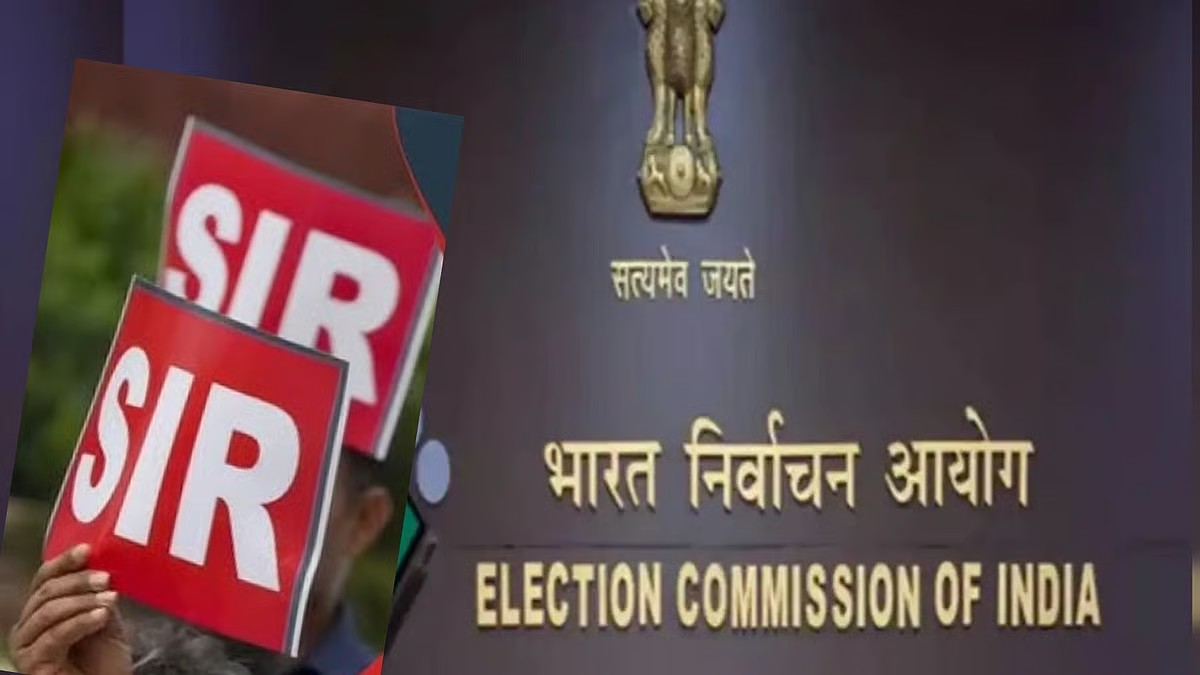
Currently, the Special Intensive Revision (SIR) hearings are ongoing and will continue. The Commission has assured that voters already submitting documents during these hearings need not worry if their names appear on the logical discrepancy list. All submitted documents will also be uploaded to the BLO app, and admit cards mentioning the date of birth can serve as valid documentation.
Also Read | West Bengal plans pension reforms for university staff after audit flags irregularities, teachers protest
Supreme Court directs ECI to release voter error list
The logical discrepancy list includes voters with spelling errors in their names, inconsistencies in age, or discrepancies in family information. Chief Minister Mamata Banerjee and Trinamool Congress All India General Secretary Abhishek Bandhyopadhyay had repeatedly raised concerns about this issue. Abhishek claimed that nearly 1.36 crore names were at risk of being excluded under the guise of logical discrepancies and demanded the publication of the list in multiple public meetings.
The Trinamool Congress filed a case in the Supreme Court regarding the matter, leading to the apex court’s directive for the Election Commission to publish the list and display it at gram panchayats, block offices, and ward offices.