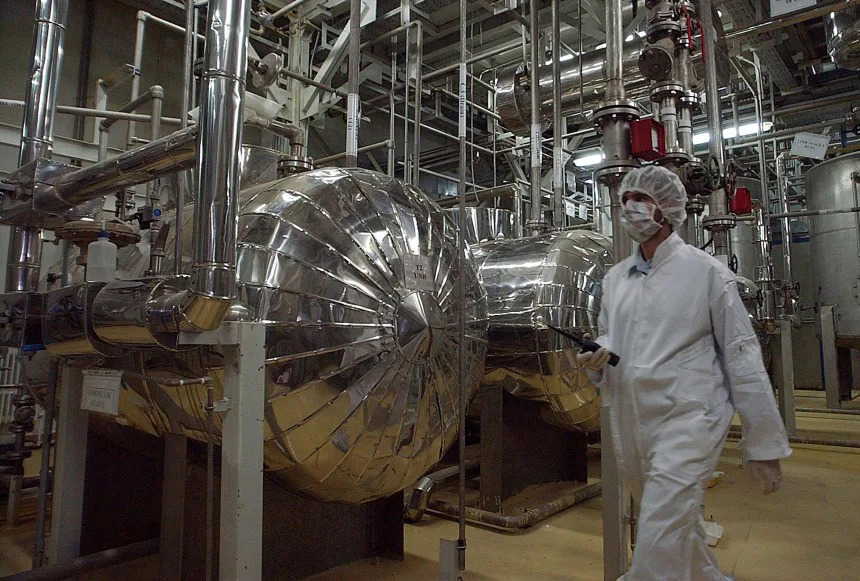
Iran has in recent weeks collapsed tunnels leading to its uranium stockpile and booby-trapped entrances with explosive mines, even as talks with the United States move closer to a possible agreement over Tehran’s nuclear programme.
The stockpile is believed to include roughly half a tonne of highly enriched uranium and is thought to be stored mainly in collapsed tunnels at the Isfahan nuclear complex in central Iran, with smaller quantities at other locations.
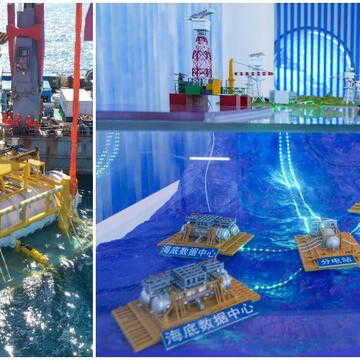
Also Read | Can the ocean cool AI? China’s underwater data centre puts it to the test
New intelligence reports suggest Iran may be taking additional steps to secure its enriched uranium stockpile, including sealing tunnels, restricting access routes, and strengthening protection around sensitive nuclear facilities.
— Srijan Pal Singh (@srijanpalsingh) June 13, 2026
The developments come as reports indicate that… pic.twitter.com/0iDSIFKHbs
The uranium trail disappears underground
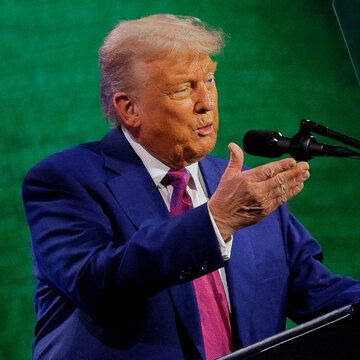
The fortifications come weeks after US President Donald Trump publicly raised the possibility of using the American military to seize Iran’s enriched uranium reserves.
Intelligence sources believed Trump’s comments may have encouraged Tehran to conceal the material further. The new measures have made access to the uranium far more difficult, dangerous and time-consuming, adding a new layer of complexity to any proposed arrangement under which Iran would hand over the material for destruction and removal.
🇮🇷🇺🇸 Iran may have just turned its enriched uranium stockpile into a much harder problem for Washington.
— Mario Nawfal (@MarioNawfal) June 13, 2026
They've collapsed tunnel entrances and placed explosive mines around underground sites believed to hold the uranium.
Most of the material is believed to be stored in tunnels… pic.twitter.com/RYfwzjLxIy
A bargain sought amid buried stockpiles
A senior US administration official said Washington and Tehran were edging closer to an agreement under which Iran would surrender its enriched uranium stockpile, with the proposal involving on-site destruction before the material is removed from Iran.
US military planners had considered an operation in May to seize the material but judged it too risky. Scott Roecker, who led the National Nuclear Security Administration’s Office of Nuclear Material Removal from 2017 to 2021, said, “If this reporting is true, it would definitely complicate… retrieving the HEU.”
Also Read | Pentagon unveils new UFO files as mysterious orb sightings reignite public curiosity
The inspectors' headache begins
Roecker also warned that if Iran were required to gather and present its full inventory of highly enriched uranium for verification, the new barriers could make it harder to confirm compliance and create room for Tehran to argue that some material was inaccessible.
Uncertainty remains over the exact terms of any agreement. Pakistani Prime Minister Shehbaz Sharif said the United States and Iran had agreed on a framework for a peace deal, but Tehran rejected that account, saying no final agreement had yet been reached.
FAQs
Q1: Why is Iran reportedly booby-trapping its uranium sites?
Ans: According to reports citing intelligence assessments, Iran has collapsed tunnels and laid mines around uranium storage areas, potentially to protect its enriched uranium stockpile from seizure or attack.
Q2: How could the fortified uranium sites affect US-Iran nuclear talks?
Ans: The reported measures could complicate efforts to verify, remove, or destroy Iran’s enriched uranium stockpile, a key issue in ongoing discussions between Washington and Tehran.