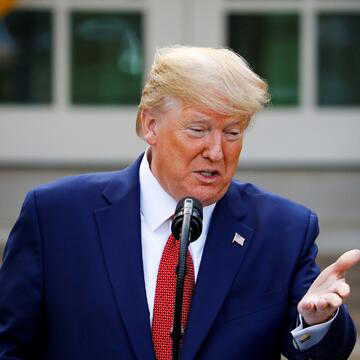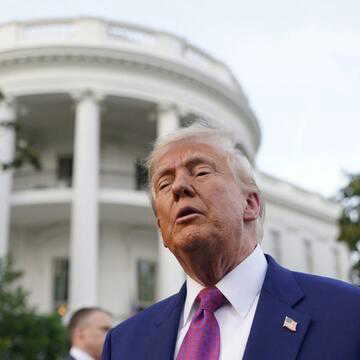
After months of conflict, repeated strikes and a fragile ceasefire, the United States and Iran appear to be moving closer to an interim peace agreement. Iranian Foreign Minister Abbas Araghchi recently said the two sides have "never been closer" to a deal, a view that has also been echoed by US President Donald Trump.
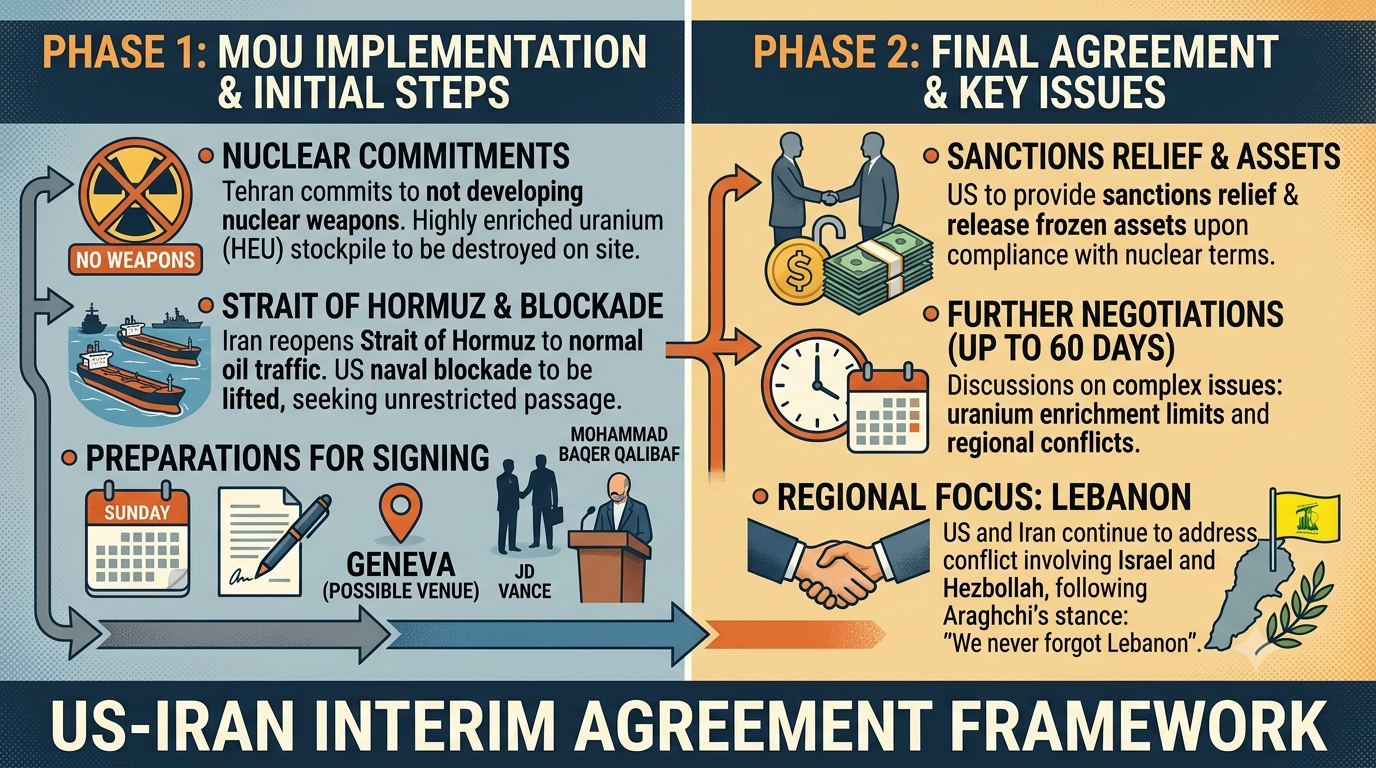
Reports quoted by Hindustan Times suggest the agreement could be signed as early as Sunday, with Geneva emerging as a possible venue. US Vice President JD Vance and Iranian Parliament Speaker Mohammad Baqer Qalibaf are expected to be among the key figures involved.
Nuclear commitments at the centre
One of the main pillars of the proposed agreement is Iran's nuclear programme. According to a US official quoted by Reuters, Tehran would commit to neither developing nor acquiring nuclear weapons.
The memorandum of understanding (MoU) would also require Iran's stockpile of highly enriched uranium to be destroyed on site before being removed from the country. However, Iran has indicated that issues related to uranium enrichment could be addressed later in the negotiation process.
Two-phase roadmap proposed
Araghchi has outlined a two-stage framework for the agreement. The first phase would focus on implementing the initial MOU, while the second phase would involve negotiations on a final agreement that could continue for up to 60 days.
Also Read | Why the expiry of Section 702 is ringing alarm bells in Washington?
According to Iranian media reports cited by HT, key issues such as uranium enrichment and the lifting of US sanctions would be discussed during the second stage.
Strait of Hormuz and economic relief
The proposed deal is also expected to address the Strait of Hormuz, one of the world's most important oil transit routes. Under the reported framework, Iran would reopen the waterway to normal oil traffic, while the US naval blockade would be lifted.
The US is seeking unrestricted passage for ships through the strait. The route, which carries roughly one-fifth of the world's crude oil supply, has faced disruptions since the conflict began.
The agreement could also lead to the release of frozen Iranian assets. In return, Iran would need to comply with nuclear-related commitments, including giving up its stockpile of highly enriched uranium. The US official said sanctions relief and access to frozen assets could follow compliance.
Lebanon remains a key issue
Despite progress on several fronts, Lebanon continues to feature prominently in Iran's position. Per HT, referring to the conflict involving Israel and Hezbollah, Araghchi said, “We never forgot Lebanon.”
Also Read | Peace deal within reach? Trump’s Indian ships allegation puts Iran under fresh scrutiny
He argued that the proposed framework would help end hostilities across multiple fronts, including Lebanon. While both sides have signalled progress, questions remain over when the agreement will be signed and how its terms will ultimately be implemented.
FAQs:
What are the key terms being discussed in the proposed US-Iran deal?
The reported framework includes nuclear restrictions, reopening the Strait of Hormuz, sanctions relief, release of frozen assets and discussions on regional conflicts.
Has the US-Iran peace deal been signed yet?
No. Both sides have indicated they are close to an agreement, but the deal has not yet been formally signed.