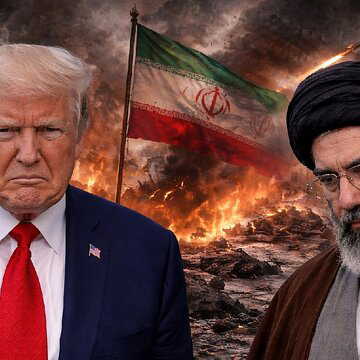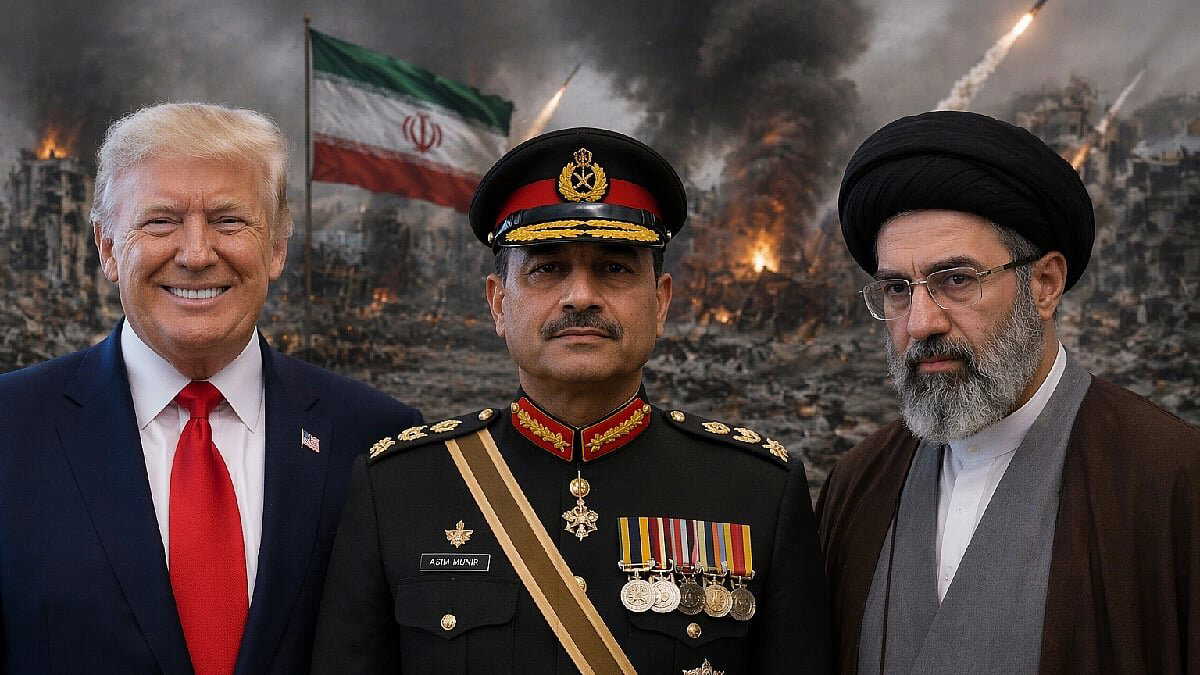
As diplomatic efforts continue to revive talks between the United States and Iran, Pakistan has stepped in to mediate. However, concerns have emerged within sections of the US policy community over the role of Pakistan Army Chief Asim Munir, with some analysts warning Washington against placing trust in him.
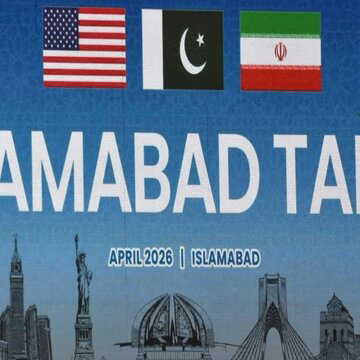
The first round of talks between the United States and Iran ended without a breakthrough. Now, Pakistan's leadership, including Prime Minister Shehbaz Sharif, is actively trying to bring both sides back to the negotiating table, possibly in Islamabad.
Concerns in US over Pakistan's mediation role
According to reports in US media, some experts have raised concerns about Munir's past links with Iran. They point to his tenure as Director General of Pakistan's military intelligence between 2016 and 2017, during which he is believed to have developed close contacts within Iranian security circles.
Retired Pakistani General Ahmed Said claimed that Munir has longstanding ties with Iran's Islamic Revolutionary Guard Corps (IRGC). "Asim Munir has maintained contacts with Iran's leadership for a long time. He has personal relationships within their intelligence circles," he said.
Also Read | 'Who are they to decide our rights?': Iran hits back at US over nuclear programme row
Reports also suggest that Munir had a working relationship with Qasem Soleimani, the former IRGC commander who was killed in a US strike in 2020.
These factors have led to skepticism in parts of Washington about Pakistan's neutrality as a mediator in the ongoing tensions.
Debate over trust as talks may resume
Bill Roggio of the Foundation for Defense of Democracies cautioned against relying on Pakistan in this context. He drew parallels with past US-Pakistan engagements.
"Pakistan presented itself as a partner of the United States while simultaneously supporting the Taliban in Afghanistan. Relying on Asim Munir in this situation would not be advisable," he said.
Also Read | Two Indians shot dead near gurdwara in Italy’s Bergamo, probe points to targeted attack
Despite these concerns, Pakistan has continued its diplomatic push. Munir recently visited Tehran for three days and held meetings with key Iranian leaders, including the President, Foreign Minister, and senior military officials.
Sources indicate that these engagements have opened the possibility of a second round of US-Iran talks being held in Islamabad in the coming days.
While Islamabad is positioning itself as a facilitator for dialogue, it remains uncertain whether both sides will agree to meet and whether concerns raised in Washington will affect the process.