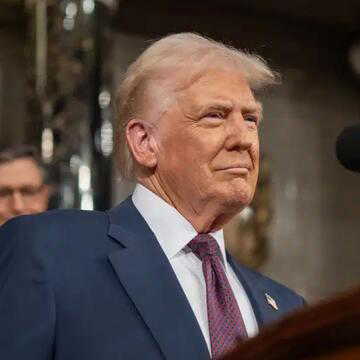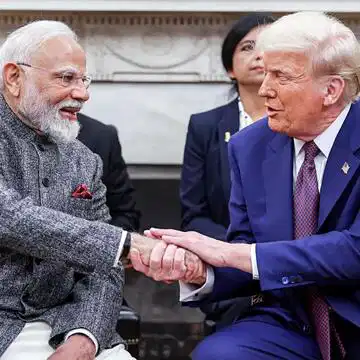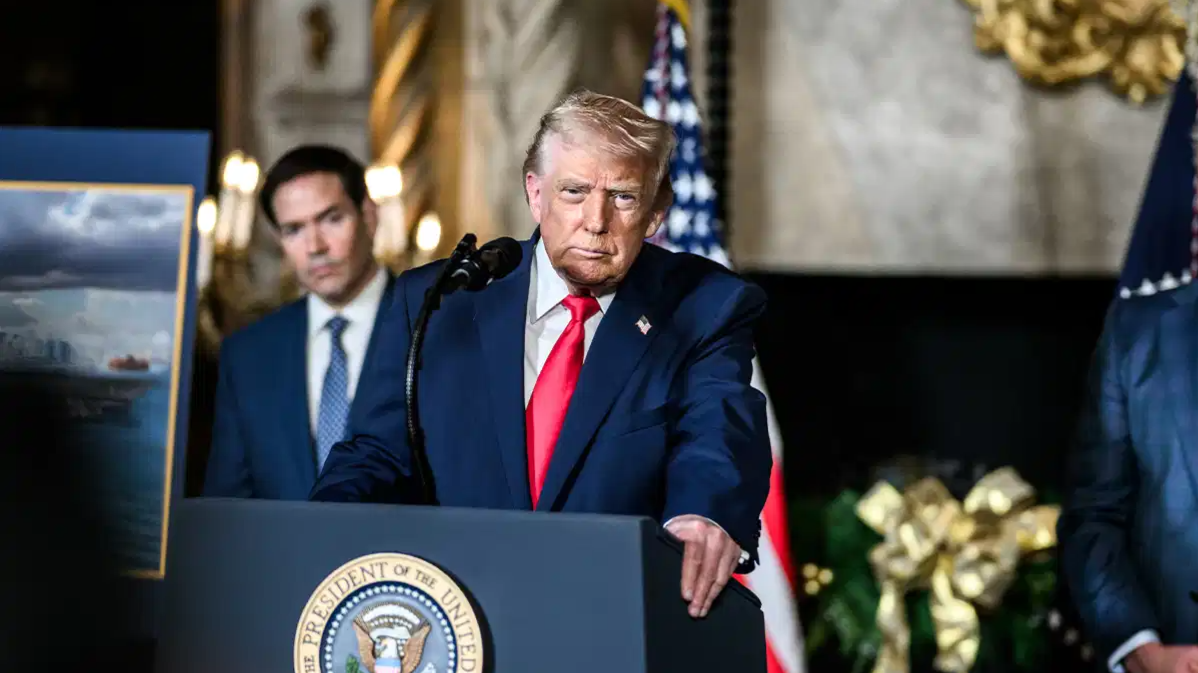
In a sharp policy reversal, the administration of Donald Trump has renewed a sanctions waiver that allows countries to continue buying Russian oil transported by sea. The move extends the relief for roughly another month, offering continued leeway to major importers like India.
Fresh license issued after earlier stance
The US Department of the Treasury updated its general license late Friday, permitting transactions involving Russian oil loaded onto vessels from that day through May 16.
Also Read | What Is Iran's 'Nuclear Dust'? Trump claims Iran set to hand over uranium stockpile
The decision comes just two days after Treasury Secretary Scott Bessent indicated there were no plans for an extension.
"We will not be renewing the general license on Russian oil and we will not be renewing the general license on Iranian oil. That was oil that was on the water prior to March 11. So all that has been used," said Bessent at a press conference per Hindustan Times.
New waiver replaces expired one
The latest authorisation replaces a previous 30-day waiver that expired on April 11. While it permits continued purchases under specific conditions, it clearly excludes transactions linked to Iran, Cuba and North Korea.
The renewal has drawn criticism from US lawmakers across party lines, who argue that such exemptions could support the economies of Russia and Iran during ongoing geopolitical tensions.
Market pressures and global supply concerns
Energy market experts suggest more such waivers may follow. Brett Erickson of Obsidian Risk Advisors pointed to continued instability in global markets. "The conflict has done lasting damage to global energy markets, and the tools available to stabilize them are nearly exhausted," Erickson told news agency Reuters.
Earlier, Russian presidential envoy Kirill Dmitriev said the initial waiver could release around 100 million barrels of crude into the market; nearly equivalent to a day's global output.
Also Read | Trump calls Modi a ‘friend’, flags strong ties amid West Asia tensions
Despite the temporary relief, oil prices remain under pressure. Volatility continues amid Iran's partial closure of the Strait of Hormuz, a key route that previously handled about 20 per cent of global oil and gas flows.