As the United States approaches 2026, its global goals and domestic concerns are coming together more forcefully than usual. Internationally, Washington faces a crowded and unstable geopolitical landscape. Domestically, it deals with political divides, economic worries, and renewed debates over immigration. Few issues highlight this intersection as much as the H-1b visa program, a policy that has quietly influenced US economic power while remaining politically vulnerable.
On the world stage, the US is dealing with ongoing tensions with China that extend beyond tariffs and trade. Military pressure around Taiwan, disagreements over advanced technology, and competition for influence in Asia and Africa have turned this relationship into a key aspect of global politics. Meanwhile, the US is heavily involved in supporting Ukraine, managing challenges in the Middle East, and reassuring allies who are uncertain about America’s long-term commitment. These efforts reinforce the perception of the US as an essential power but also reveal the limits of its attention, resources, and domestic agreement.
These external pressures affect a country where economic confidence varies. Though growth and employment numbers are strong, many Americans feel vulnerable to swift changes. Artificial intelligence and automation are transforming white-collar work. Layoffs in the tech sector have shattered the belief that skilled workers are immune to disruption. In this environment, immigration often reflects broader concerns about opportunity, fairness, and control.
ALSO READ| Donald Trump says Zelensky ‘has nothing until I approve it’ ahead of Florida meet
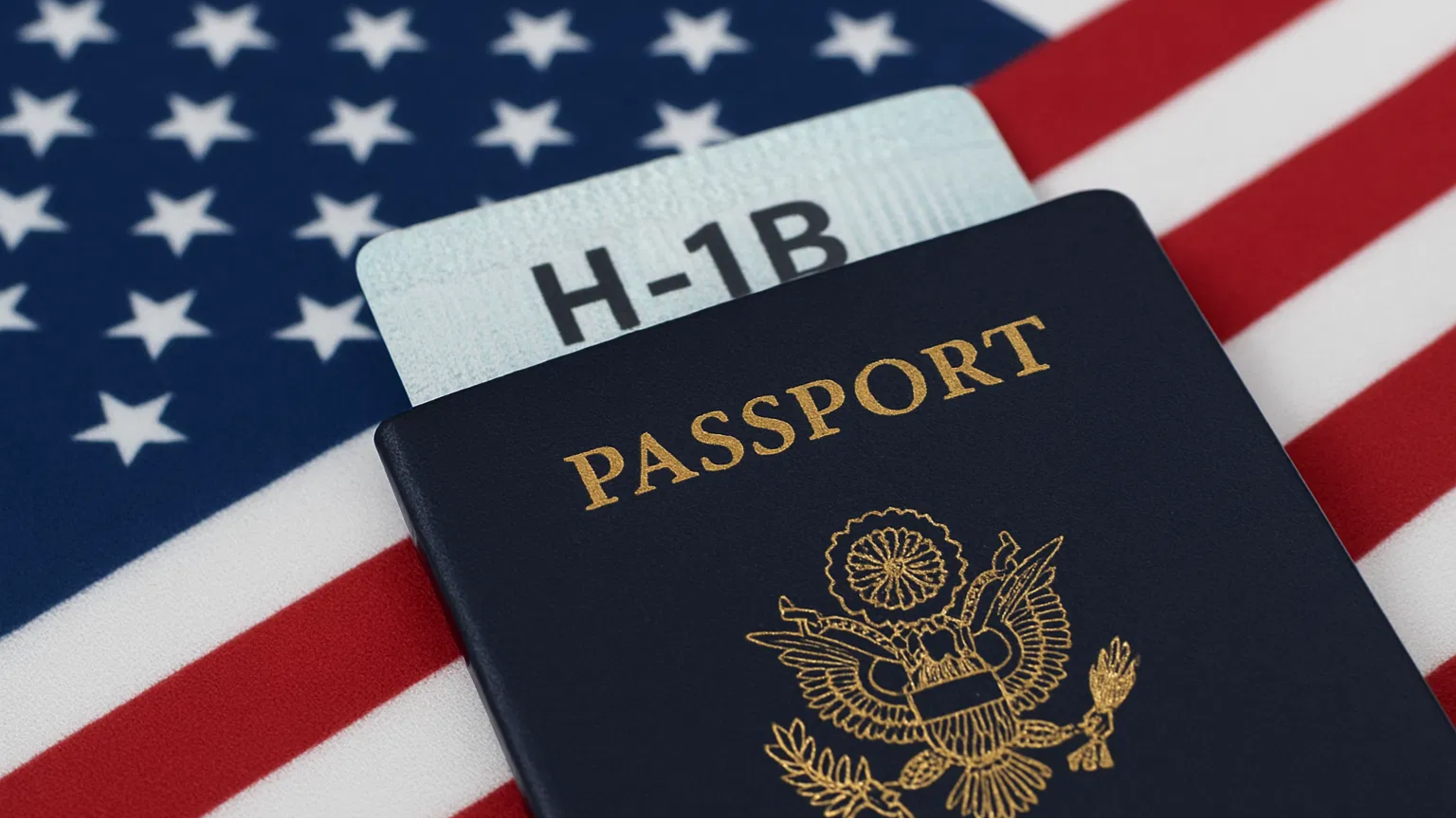
The H-1B visa program illustrates these contradictions clearly. It was created to let US employers hire foreign workers in specialised jobs and has become vital for industries that drive innovation and growth. Technology companies, research institutions, healthcare systems, and financial firms depend on H-1B workers to fill positions that are hard to staff locally. Over the years, the program has fueled entrepreneurship, research advancements, and productivity improvements that benefit the economy.
When H-1b workers stop planning for US future
However, the program has never been politically stable. Critics claim it can lower wages, disadvantage local workers, and tie migrants too closely to their employers. Supporters argue that demand greatly exceeds supply, that existing safeguards are sufficient, and that the economic advantages are widespread, even if not always immediately apparent. Many of the most influential US companies were started or co-founded by individuals who arrived on skilled visas, a fact often mentioned but rarely settled as a point in the debate.
Recent policy changes have revived these discussions. Stricter compliance checks, modifications to selection processes, and increased scrutiny during visa processing have changed the experience for both employers and applicants. These changes may be aimed at reducing abuse and restoring trust in the system. Meanwhile, unpredictability and delays could push talent to other countries, especially as those nations actively pursue the same skilled workers with clearer paths to permanent residency.
The geopolitical context intensifies this tension. The US has invested billions in boosting domestic manufacturing, increasing semiconductor production, and leading advancements in artificial intelligence. Each of these priorities relies on highly skilled labor that comes from around the world. Limiting access to that talent may meet immediate political needs, but it could lead to longer-term strategic drawbacks. In a time of competition with China, technological leadership is not just an economic target; it’s a national security issue.
For H-1B workers, the situation feels increasingly uncertain. Many spend years navigating temporary status, long wait times for green cards, and regulations that connect their legal status to a single employer. Layoffs or company restructuring can drastically change lives built over a decade or more. This uncertainty affects not only personal choices but also decisions about where to innovate, invest, and settle.
ALSO READ| Elon Musk predicts 2 consecutive JD Vance terms to succeed Trump
Ultimately, the H-1B visa debate raises a deeper question about American power. The US has traditionally drawn strength from its ability to attract ambitious individuals from around the world and offer them a chance in its future. That openness has fostered economic vitality and soft power, even when it has sparked domestic discord. As the world becomes more fragmented and competitive, the costs of stepping back from this approach are increasing.
As global rivalries strengthen and economic changes speed up, the US faces a choice that goes beyond immigration quotas or administrative regulations. It must decide whether its systems can adapt to support its ambitions or if caution and political deadlock will gradually weaken the advantages built over generations. The results will not only impact skilled migrants but also shape American influence in the coming decades.